AI Communications









Whether your teams work on-site or remotely, conference calls are a staple of any modern team. They remain one of the fastest ways to bring people together for quick discussions, decisions, and updates without requiring everyone to join a full video meeting.
Android phones make it easy to start a basic three-way call using their built-in calling features. If you only need to connect a few people for a brief discussion, your phone’s native conference calling capabilities can get the job done in just a few taps.
However, native calling isn’t always enough for modern collaboration. As meetings grow larger or require features like scheduling, participant management, messaging, screen sharing, file sharing, recordings, or presentations, dedicated cloud communication platforms, such as RingCentral, provide a far more streamlined experience.
Beyond helping you make a dial-in conference call, they combine business calling, messaging, video meetings, online faxing, and file sharing into a single platform. Instead of juggling multiple apps, you can transition from a simple voice call into a collaborative workspace where teams can share files, conduct training sessions, host presentations, and continue conversations without interruption.
Key takeaways
- Android’s built-in conference calling works for small conversations but falls short for any team that depends on calls as a core collaboration tool.
- The gap between native Android calling and cloud platforms is operational, not just functional, with manual setup, lack of scheduling integration, and limited host controls creating compounding friction across recurring meetings.
- Cloud communications platforms like RingCentral scale conference calls from three participants to 1,000 while supporting video, messaging, file sharing, and screen sharing all within the same session.
- Native conference calling on both Android and iPhone follows the same merge-call workflow and shares the same carrier-imposed participant limits, making a dedicated platform the more practical choice for teams that meet regularly.
- The strongest case for upgrading is consistency: one link, one application, and one experience across voice, video, and messaging regardless of device or location.
Conference call on Android benefits
Being able to join conference calls on Android is no longer a convenience—it’s a core part of how distributed teams stay aligned. It allows employees, clients, and partners to stay connected wherever they’re working, helping teams make decisions faster without requiring everyone to be in the same location.
Some of the biggest advantages include:
Stay connected while away from the office
Business doesn’t stop when employees travel. Android conference calling allows people to participate from virtually anywhere with a reliable cellular or internet connection, helping projects move forward without unnecessary delays.
Support flexible and hybrid work
Flexible work has become a long-term operating model for many organizations rather than a temporary arrangement. Conference calling enables employees to participate in discussions regardless of where they’re working, reducing scheduling friction while keeping communication consistent.
In Gallup’s global indicators of hybrid work, 52% of employees with remote-capable jobs continue to prefer flexible work arrangements in 2026. This makes reliable communication tools essential for day-to-day collaboration.
Let employees use the devices they already prefer
Many professionals already rely on Android devices throughout their workday. Native conference calling eliminates the learning curve associated with unfamiliar hardware, allowing meetings to begin quickly using a familiar interface.
Improve meeting comprehension through visual collaboration
While audio calls work well for quick discussions, conversations that involve demonstrations, walkthroughs, or collaborative planning often benefit from video—where participants can see each other and share information visually. People often process visual information significantly faster than text alone, making this especially valuable for training, presentations, and complex problem-solving.
Platforms like RingCentral have teleconferencing features. It’s easy to start with an audio conference call and transition into a video meeting whenever visual collaboration becomes beneficial.
Scalable collaboration without changing platforms
Native Android conference calling works well for small conversations, but organizations often need additional collaboration capabilities as meetings become more complex.
Instead of switching between separate applications for calling, messaging, scheduling, and file sharing, unified communications platforms centralize these activities into one workspace. This reduces context switching while making meetings easier to organize and manage.
Native conference call on Android disadvantages
Most, if not all, Android devices have a built-in capacity for conference calling. We’ll get into how that works a bit later. However, there are notable disadvantages to conference calling on Android this way:
- It’s limited in scope. The mobile phone service provider you use will place a cap on how many people can join a call. In most cases, the maximum number of participants on a cell phone call is six, and that’s very rarely enough for a small team meeting, let alone a major conference call. With RingCentral, though, you can have up to a thousand participants in a single call, allowing your conference call meeting to go as big as it needs to.
- It can be costly. Whether you’re using a landline or a mobile service, keeping a conference call going for an extended period with even just the standard cap of six people can get extremely expensive. When you use a service like RingCentral, the cost savings are considerable—you can host calls as often as you need without monitoring per-minute charges.
- It has quality issues. Your phone service may be fine for text messaging via SMS or a phone app like WhatsApp, but even the best phone call (in the best circumstances with a strong signal) can have issues such as background noise or choppy performance. When you’re trying to run an effective conference call, these issues can prove extremely frustrating.
- It’s complex and time-consuming to set up. Native conference calling also requires the host to manually dial participants one at a time before merging each call together. For recurring meetings, this process quickly becomes repetitive compared with cloud-based conferencing solutions that automatically generate meeting links, synchronize with calendars, and allow attendees to join with a single click.
- It has limited administrative controls. During a standard carrier conference call, any connected participant can add additional callers without the host’s approval. Without clear host controls, unexpected participants can join, conversations become harder to manage, and moderators have limited ability to oversee the meeting.
These limitations make a strong case for using a dedicated app—especially when your team relies on these calls to get work done.
How to conference call on Android natively
Most (if not all) Android phones have a built-in conference-calling feature that you can set up from your call screen—so you don’t necessarily need specialist conference call software for Android.
You call up the first person, and then merge calls one by one using the other conference attendees’ phone numbers.
Here’s a step-by-step tutorial to show you how to make a group call on Android:
- Call the first person for your conference
- Tap the “add call” button
- Add more guests
- Tap the “merge” button
- Repeat the above steps to add more callers
Before you begin, you’ll want to make sure you have all the attendees of the conference call added to your contact list.
Step 1: Call up the first person you want to include in your conference
A native Android 3-way call starts just as you’d expect: with a regular call. Find the person you want to reach in your contacts list, or add their number, then dial them using the phone icon when you’re sure they’re ready to answer.

Step 2: Once the call connects, tap the “Add call” button
To establish your 3-way call, Android should provide a simple “Add call” button, so tap “add call”. If you don’t see that exact option, look around for something similar; there are many different versions and varieties of Android on the market, and some use different wording.
Even if you’re using an aging device, it should still be clear how to add a call on Android—but if it isn’t, look up instructions for that specific phone.
Once you’ve hit the right option, your contacts list should pop up. Any member of the two-way call can use the “Add call” button (or equivalent) to do this:

Step 3: Find the next person you wish to add to your call and select their contact number
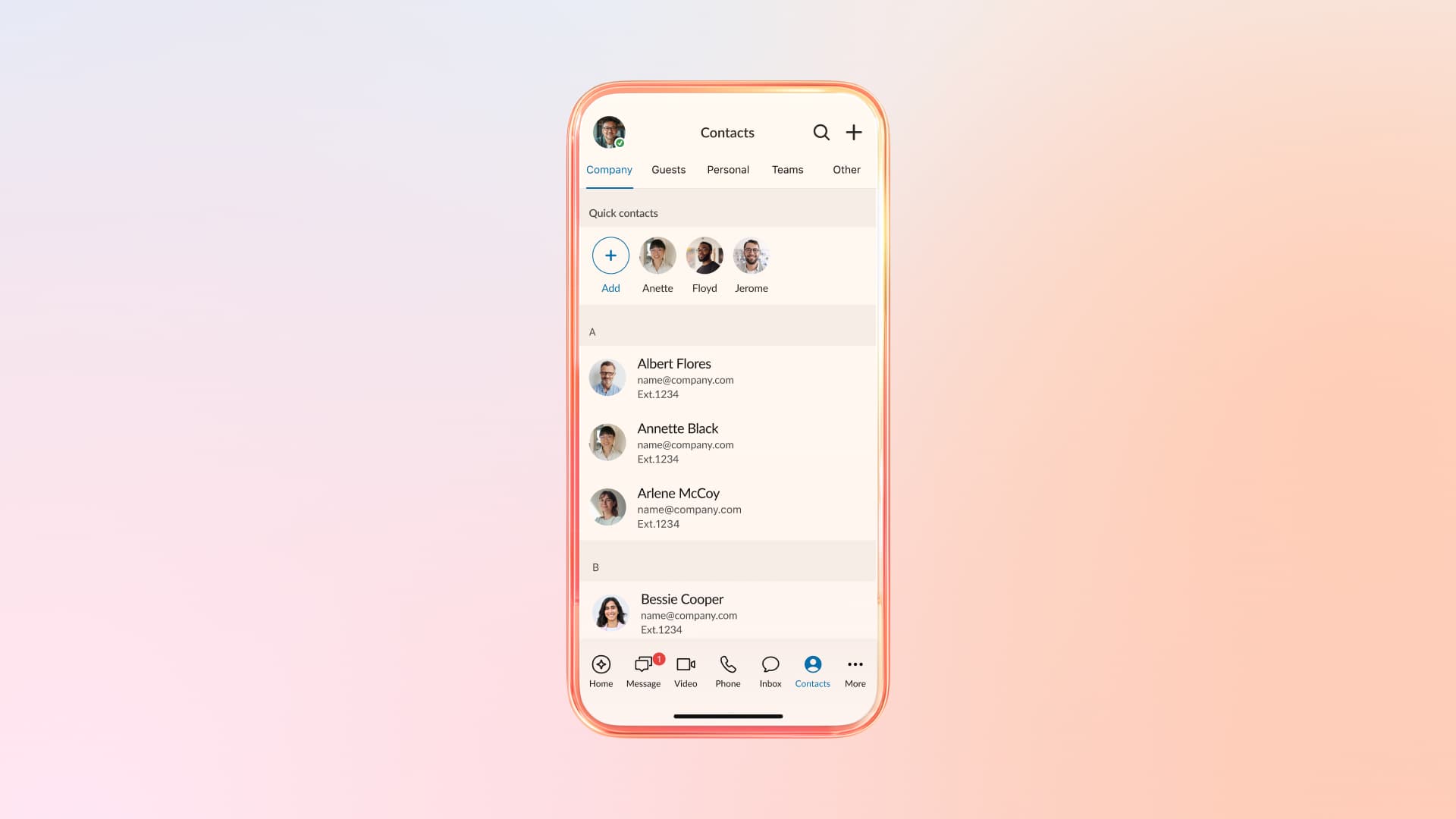
Assuming you don’t use a third-party contact management app or a very old version of Android, you should get a list of contacts like the one pictured below, making things easy. And if you need to manually key in a number, go to the Keypad.
(Note, that for a three-way call, Android doesn’t need other Android devices, so it’s fine if you want to include people using iPhones.)
To make a conference call, Android starts with two separate calls, so you’ll first be able to speak with the most recent addition while your first call is put on hold. This means that the first participant won’t be able to contribute for the moment, so don’t take too long to find the next person to call.

Step 4: Tap the “Merge” button
At this point, you should have a “Merge” button that you can press, so go ahead and tap “Merge”. If not, your implementation of Android may have another option that means “merge call”; as with the “Add call” option, it should be hard to miss.
When you merge calls, Android will produce a conference call that lets all three of you to hear and speak with one another.

Step 5: To add more people, repeat the preceding steps
Now that you know how to merge calls with Android, you can add any more participants at your leisure. In fact, anyone in the call can add participants, so you don’t have to handle all the additions if someone’s willing to help out.
The number of participants will be limited by your network provider, though. The standard cap is six (you, plus five others), so if you need more people than that in your conference call, you’ll need a service like RingCentral.
And when you’re done with your conference call, just end the call by hanging up as you normally would. Simple!
How to conference call on Android using the RingCentral app
If you regularly host meetings, coordinate multiple teams, or need more than a basic three-way call, using a cloud communications platform can simplify the entire process.
Instead of manually calling participants one by one, RingCentral lets you create a meeting, invite attendees with a link, and manage your conversations from one application. Beyond audio conferencing, you can also switch to video meetings, exchange messages, share files, present your screen, and collaborate without moving between different tools.
Unlike native Android conference calling, RingCentral supports meetings with up to 1,000 participants, making it suitable for everything—from quick team check-ins to company-wide meetings and virtual events.
Getting started only takes a few steps:
Step 1: Download the RingCentral app and verify your device
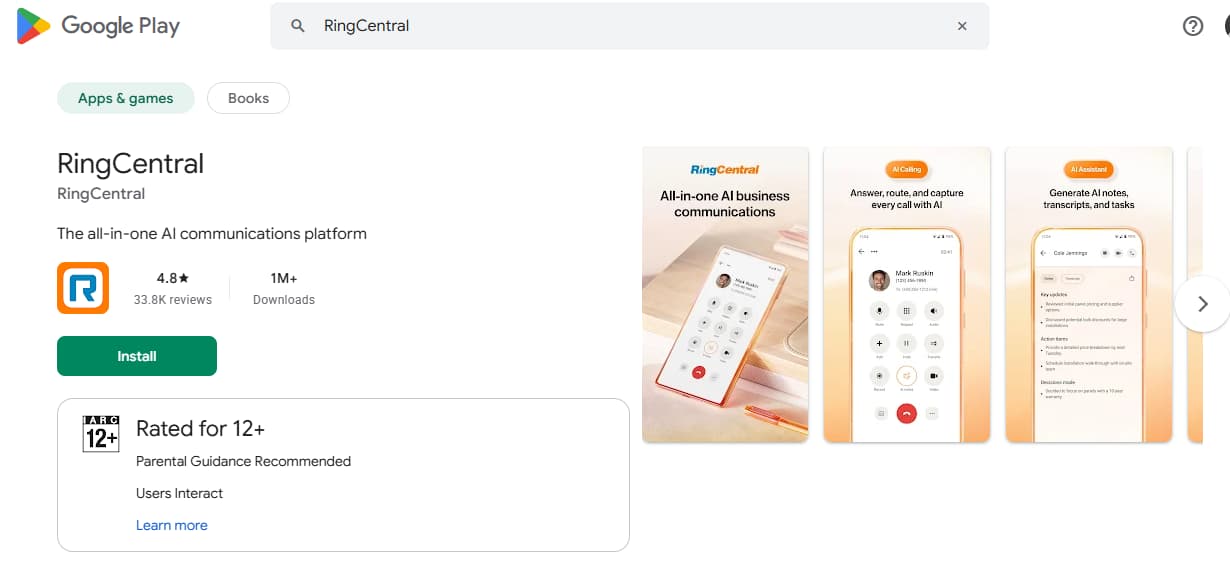
The RingCentral app is available through the Google Play Store. Download the RingCentral app and sign in with your existing account or create a new one.
After installation, grant the requested permissions for calling, contacts, notifications, and your microphone so the application can function correctly.
RingCentral is optimized across the major Android ecosystems, including devices from:
- Samsung
- Motorola
- OnePlus
- Other Android manufacturers that support Google Play Services
A desktop version is also available if you frequently switch between your phone and computer. This broad compatibility makes it easy to use the same communication platform regardless of which Android device your team prefers.
Step 2: Start a new conference
From the RingCentral app home screen, tap the “+” icon in the upper-right corner to access new actions. Then select Start conference call.
A conference setup window will appear displaying your conference information before the call begins.
Step 3: Configure your conference settings
Before starting the conference, review the meeting details.
The setup window displays the following conference details:
- Your primary conference dial-in number
- Additional dial-in numbers for participants joining from different locations
- Host and participant access codes
- An option to allow participants to join before the host
Using separate host and participant access codes gives moderators additional control during the meeting. For example, hosts can mute all participants or prevent new callers from joining, while standard participants cannot.
Allowing participants to join before the host can also be useful for scheduled meetings, giving attendees time to connect before the discussion begins.
Step 4: Invite participants
Select Invite participants and choose how you’d like to send the conference details.
RingCentral lets you share everything attendees need—including the conference dial-in number, access code, and joining instructions—through several methods, such as email and text messaging.
RingCentral integrates with Google Calendar, making it easy to generate meeting links and include them automatically in your calendar invites.
Because participants receive complete joining information automatically, you don’t need to manually call or merge each person into the conference.
Step 5: Start the conference call
Once your conference settings are ready and invitations have been sent, tap Start conference.
If additional attendees need to join after the meeting has started, tap the option to add participants and send another invitation using the same sharing options.
Alternative method: Start a conference from a team conversation
If you’re already chatting with your team in the RingCentral app, you can launch a conference call without creating a new one from scratch.
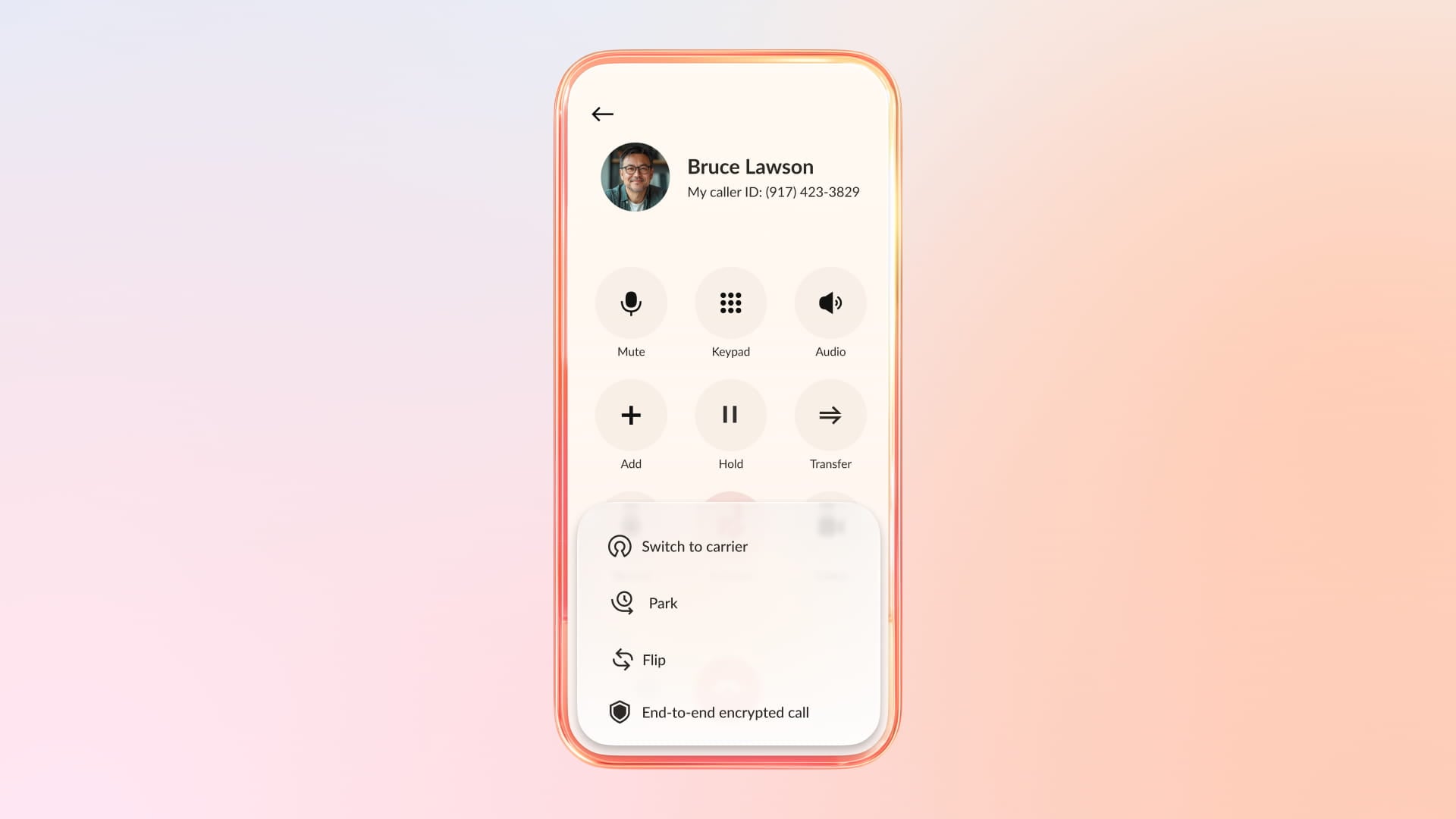
Open the team or group conversation, tap the More menu, and select Start conference call. Confirm that you’d like to start a conference call with everyone in the chat.
Once the conference begins, group members can simply tap Join to enter the call. You can also invite additional participants at any time if the discussion expands beyond the existing team.
💡 Pro-tip:
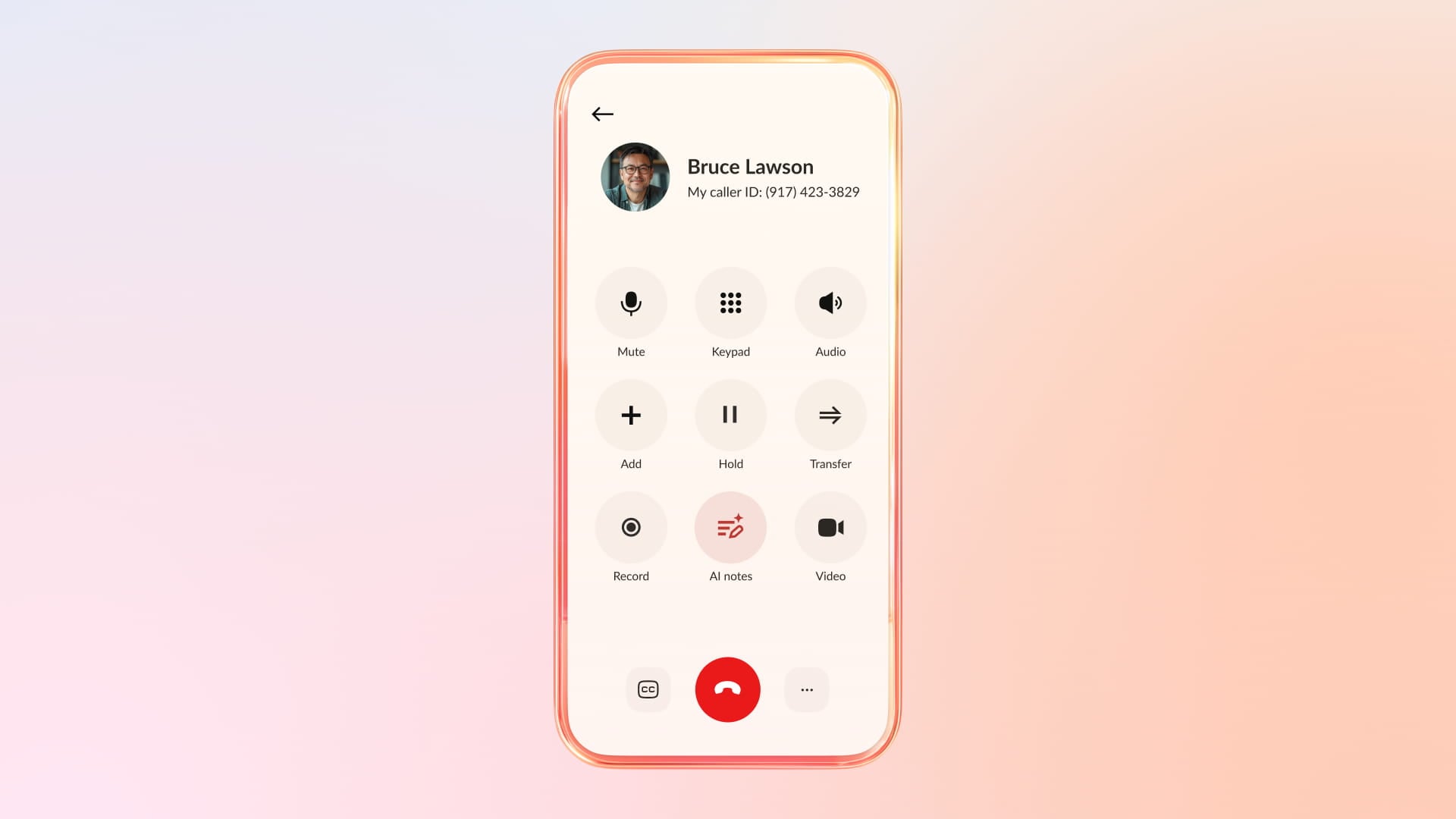
Need to share your screen? Just flip the audio conference call to a video call. You’ll notice that there’s a “Video” button on your calling interface—just tap the icon to switch your voice-only conference call to a video conference call.
How to conference call on iPhone (iOS)
Much like iPhone users, Android users tend to stick with what they know, but sometimes they do change things up. They might want access to some of the many iPhone-exclusive apps, or they might just feel like trying new things. And then there are those who need to use Apple devices for their jobs.
Whatever the situation may be, it’s possible that you also need to make conference calls on an iPhone, or will need to make those calls down the line. If so, don’t worry. We’ve got you covered.
How to conference call on iPhone natively
With no added apps, assuming your mobile phone service provider supports it, you can set up an iPhone conference call with up to five people (meaning a total of six, including you).
The process is really simple. Just follow these steps:
Step 1: Dial the first participant
If you already have their number saved in your Contacts, this will only take one tap. Otherwise, you’ll need to do some more tapping. Either way, get one of the participants in a call (you may want to notify them via SMS beforehand to make sure they’re ready).
Step 2: Add a second participant
While you’re in a call that has room for more, you’ll have an “Add” option at the bottom left.
Tap this option, select the second person you want to add from your Contacts list (or add their number), and dial them. This will put the first participant on hold.
Alternatively, you can have the next participant call you and accept the incoming call with the “Hold & Accept” option.
Step 3: Merge the two calls
With two calls connected simultaneously (one live, and one on hold), the bottom-left option will now allow you to merge them.
Tap it, and you’ll form a conference call with three participants. Keep in mind that this will only appear as a conference call to you. Each of the other participants will only see a regular call with your number, though they’ll of course be able to hear each other.
Step 4: Add and merge up to two more calls
Remember that cap of five (six, including you). You can repeat the process we just went through for every person you want to add, but the option to add a participant will no longer be available once you’re connected to five people in the conference call.
Make every conference call more productive with RingCentral
Knowing how to conference call on Android using your phone’s built-in features is useful when you need to connect a few people quickly. However, as meetings grow larger or become more collaborative, manually adding participants one at a time can become time-consuming.
That’s where cloud communications offer a significant advantage. Instead of relying solely on voice calls, teams can transition naturally into video meetings, presentations, training sessions, messaging, file-sharing, and screen sharing—all within the same platform.
Whether you’re checking in with a colleague, hosting a customer meeting, onboarding new employees, or coordinating across multiple locations, RingCentral brings calling, messaging, video meetings, and file sharing into one unified experience—so your team spends less time managing tools and more time getting work done.
Schedule a personalized demo today to see how RingCentral can help your team spend less time managing meetings and more time getting work done.
Conference call on Android FAQs
What are the main advantages of using Android for conference calls?
First, it’s a terrific way of keeping all your team members in the loop, whether they’re away on business or simply working remotely. In addition, it’s convenient for anyone who already uses an Android device. And if you use a dedicated app like RingCentral, you can add multiple participants to the call at once rather than dialing them in one at a time.
With a conference call on Android, do all participants need to join with an Android device?
No, not at all. In that respect, it’s the same situation as when you make a simple voice call with an Android smartphone. Just as you can use an Android smartphone to call any phone number, so you can host a conference call using Android and invite anyone to participate.
How many people can be on a conference call?
Native Android calls are typically capped at six participants total by your carrier, while limits vary significantly by provider and plan across third-party business conferencing tools.
With RingCentral RingEX, you can host a conference call with up to 1,000 participants—joining from a desk phone, desktop app, or the RingEX mobile app—making it a far more scalable option for teams of any size.
Updated Aug 26, 2026