AI Communications








It’s no surprise that cloud telephony systems are becoming ever more popular with businesses across all sectors. For companies large and small, adopting a unified communications solution that delivers excellent call quality alongside a huge range of advanced call management features simply makes sense.
We’re going to look at what cloud telephony is, how it works, and some of its key benefits. We’ll also give you a few tips for how to choose a cloud telephony provider that will be the best possible fit for your business needs.
Cloud telephony solutions: Key takeaways
- Cloud telephony eliminates the need for companies to buy and maintain costly traditional phone infrastructure.
- It’s easy to scale a cloud telephony solution up or down depending on changing business needs, because you can add or remove users quickly in the admin dashboard.
- There’s also the advantage that cloud telephony services are simple to integrate with other business tools like your CRM or ERP platform.
- Modern cloud telephony software supports advanced features such as AI-driven functionality and intelligent call routing.
What is cloud telephony?
Cloud telephony systems are advanced telecommunications systems that operate via the internet. A cloud-based phone system is usually hosted and maintained by a third-party provider.
You only need internet access to use cloud telephony, meaning it eliminates the need for expensive on-site telecommunications infrastructure. When someone places a call via their telephony app or using a desk phone, the cloud telephony companies handle the call routing.
The cloud telephony software these systems use comes packed with a variety of features depending on the provider and the level of service required by the client. However, one thing they all have in common is that they take advantage of something called Voice over Internet Protocol (VoIP).
Cloud telephony vs VoIP
VoIP is, as its name suggests, a technical protocol rather than a platform in itself. It converts analog sound into the form of data packets that can be transmitted across a broadband internet connection, then converted back into analog sound the user can hear at the other end.
Although cloud telephony services all use VoIP for call delivery, they offer much more than just a simple connection. The best cloud telephony services provide clients with a fully integrated telecommunications solution that comes with a wide range of advanced phone system features, such as automatic call recording and multi-way conferencing.
How does cloud telephony work?
It’s worth spending a little time peering under the hood to gain a solid understanding of how cloud telephony works in more detail. The firmer a grasp of the technicalities you have, the easier it becomes to assess your options if you’re thinking about adopting a cloud telephony platform for your business.
Cloud telephony architecture
Let’s begin with a quick overview of the typical architecture of a cloud IP telephony system. It includes:
- User devices: Users can place calls either using a VoIP-enabled desk phone or a so-called “softphone”. In other words, an application running on any internet-connected device such as a laptop or desktop computer.
- Local network: The digital data packets generated during a call travel through the local network via Wi-Fi or Ethernet to the internet router.
- Cloud telephony service provider infrastructure: The nuts and bolts of the system, including components like a cloud PBX (hosted virtual exchange), SIP trunks (virtual phone lines), and gateways between the cloud telephony system and traditional phone networks if required.
Cloud-based telephony system routing
For incoming calls, cloud telephony systems use smart routing to make sure the call reaches the right person. There are a number of different options, and you can generally customize the process according to your business needs. For example:
- Skills-based routing: Sends calls to agents with the relevant expertise to answer a customer query.
- Location-based routing: Calls are routed according to geographic location, which can be useful for connecting customers to nearby offices.
- Time-based routing: Distributes calls based on business hours or agent availability.
Cloud telephony integrations
One of the advantages of cloud telephony is that you can integrate it seamlessly with your other business tools. This makes it much more than a simple phone solution.
For instance, many cloud-based telephony solutions allow integration with CRMs. In practice, what this means is that your call center agents can look up useful information relevant to the customer they’re talking to within the phone application, so they don’t need to waste time switching between systems.
Benefits of cloud telephony
Advanced features and integrations being part of the package is just one of the upsides, but there are plenty of other cloud telephony advantages. With that in mind, let’s explore some of the other benefits of cloud-based telephony compared to traditional telephone systems:
Lower costs
One of the most important cloud telephony benefits is that it’s often much cheaper than traditional phone systems. There are a number of reasons for this, to do with both capital and recurring costs.
First, the initial investment required is lower. That’s because you don’t have to pay for traditional PBX infrastructure on-site. There’s no need to buy huge amounts of hardware or pay expensive installation fees. And, because you don’t have lots of cables or phone lines, it frees up valuable office space you can use for other purposes.
In addition, because the cloud telephony provider manages all the hardware and software needed for the system to function, you aren’t hit with hefty ongoing maintenance costs, either.
Best of all, the costs you do have to pay are predictable. You’ll be accessing the service on a subscription basis, so you never have to worry about your monthly bills fluctuating as call volumes do. This makes budget management and medium-term cash flow planning much easier.
Easy scalability
Another advantage of a cloud-based VoIP phone service is that it’s inherently flexible and easily scalable.
As your business grows, adding more users is as simple as making a few clicks in the admin dashboard. This is a far cry from the situation with traditional systems, which necessarily involves physically installing new phone lines or extensions and buying more phone equipment.
Similarly, if you want to remove users, the process is just as quick and straightforward. This means you’re not stuck paying for phone lines or equipment you don’t use during quieter periods, which can be an issue for companies whose business experiences seasonal fluctuations in call volumes.
One bonus of this easy scalability that isn’t usually mentioned is that it supports smaller companies to expand into multiple markets, including internationally. That’s because it’s a simple matter to connect to the system from multiple locations, even though it’s managed centrally.
Facilitates remote working
More generally, the fact the phone system isn’t chained to the company’s physical premises means it’s ideal for supporting remote or hybrid teams. Staff members can make and receive calls, join video meetings, and access advanced telephony features from any internet-connected device, regardless of where they’re located.
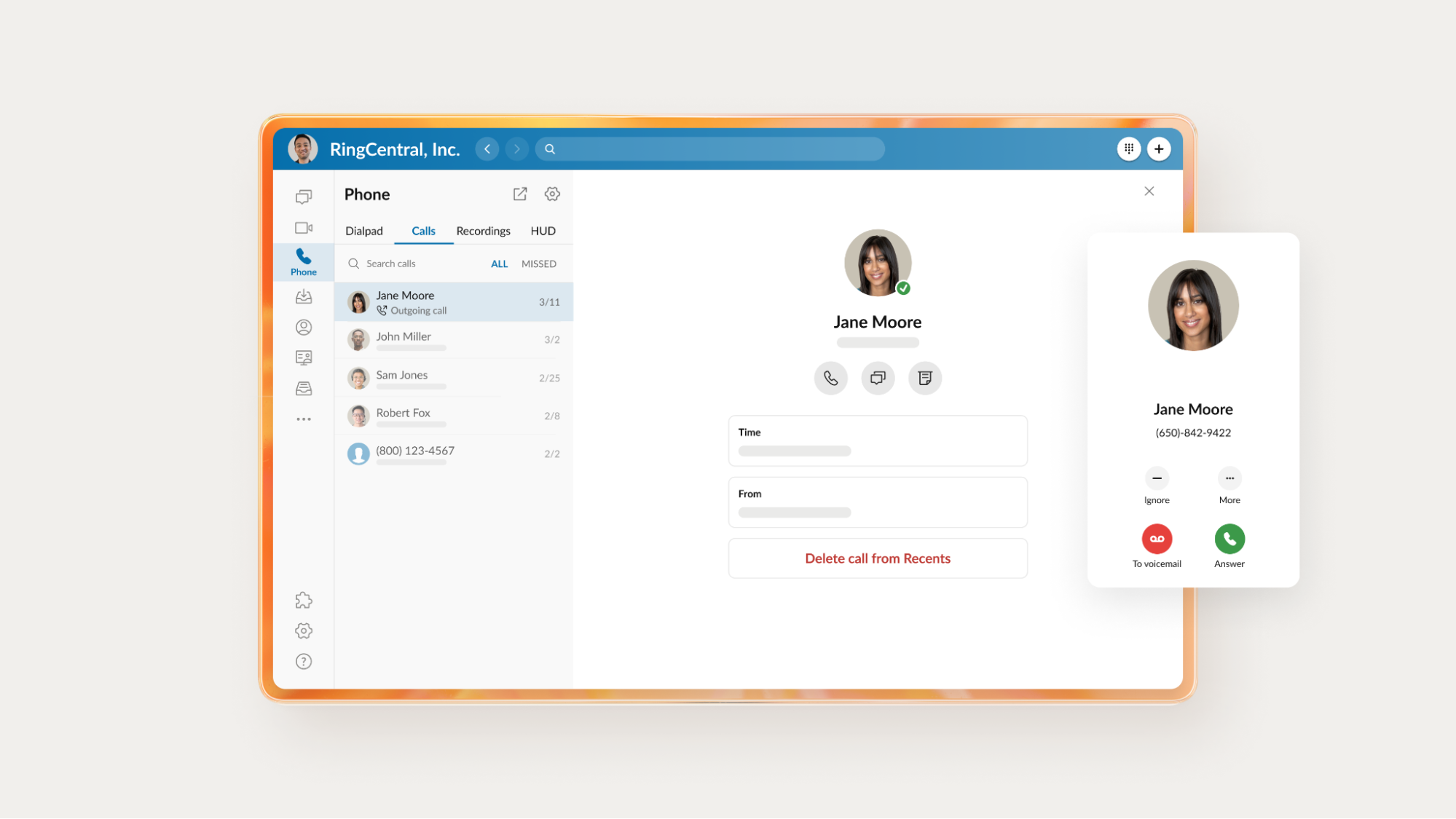
Some cloud-hosted telephony services also allow you to have a single business phone number. This means it doesn’t matter whether you’re using a dedicated VoIP phone in the office or accessing the application on your home laptop; you can make and receive calls using the same dedicated number, which helps project a consistent and professional image.
Reliability
One of the problems with traditional phone systems is that if the equipment or infrastructure develops a fault, it needs to be repaired or replaced. This takes time, during which the resulting disruption can lead to your business taking a significant financial hit.
Cloud telephony service providers usually host their systems in multiple locations with built-in redundancies. What this means is that even if there’s an outage in one place, the back-up system kicks in to ensure uninterrupted service. You won’t even notice that anything unusual happened.
Similarly, in the event of a crisis like severe weather making an office inaccessible or unusable, it doesn’t matter from the point of view of maintaining your communications.
With traditional telephony systems, all work grinds to a halt if the office has to close. With a cloud telephony service, you can continue your operations from elsewhere, so your day-to-day business remains relatively unaffected.
Potential challenges of cloud telephony
Of course, anyone thinking of using cloud telephony for business should also be aware that there are a couple of potential challenges as well. In general, these are manageable, so it’s really a question of being aware of them so you have a back-up plan should you need one.
- Internet access is essential: You need a stable and reliable internet connection to use cloud telephony. If your bandwidth is limited, you could find call quality degrades, particularly if a large number of calls are happening at once.
- Dependence on provider: Being able to trust your cloud telephony provider is crucial because your company’s entire communications setup depends on them providing a reliable service.
- Potential security issues: Not all cloud telephony providers are equal. It’s vital to select one that puts a strong emphasis on security to protect your communications and sensitive customer data from falling into the wrong hands.
- Migration complications: Migrating to using cloud telephony can be a complex task if it’s not handled well, so careful planning is needed. The best cloud telephony providers will provide all the support you need to make it as painless as possible.
Key features of the best cloud telephony system
Not all businesses want exactly the same cloud telephony package. A large multinational corporation will have very different needs from those of a small startup. Even so, the best cloud telephony solution for your business will tend to include many of the core features we list here.
ACD and intelligent routing
Automatic Call Distribution (ACD) directs calls to the right department or individual based on predefined rules. This makes a huge difference to inbound call workflows because it reduces the risk of callers being passed from pillar to post. In turn, this improves the customer experience and helps keep your clients happy.
Call management basics
There are a few basic tools that every modern business needs in a communications solution. These include options like call recording for training and compliance purposes, call forwarding for transferring calls between different team members, and control options that allow users to set their own availability on the system.
Artificial Intelligence tools
AI has changed the way all kinds of business platforms operate, and every good cloud telephony company now incorporates it as standard in their systems.

For instance, you should look for a service that includes an AI Receptionist that greets customers in a natural way and works in tandem with the ACD to route calls or offer self-service solutions. This tool delivers a much more complete user experience than traditional voice greetings.
Multiple integration options
We’ve already highlighted the fact that good cloud telephony systems should be easy to integrate with your existing business tools. It’s a good idea to establish how extensive a platform’s pre-built integration library is before you commit.
Don’t just look for the big names like Microsoft Teams or Salesforce (although these should, of course, be available). The best providers have hundreds of integrations available out of the box for more niche applications, too.
Multilingual support
If your company does business internationally, you’ll need a solution that supports multiple languages. At a minimum, you should be able to access the phone menus in different languages. But ideally, you’ll want one that also delivers fuss-free in-app translations so your employees can connect seamlessly without a language barrier getting in the way.
Other considerations when choosing cloud telephony providers
There’s more to selecting a cloud telephony service than the features it offers, however. You also need to consider other aspects of the user experience to ensure you make the right decision. Before committing, research these key topics:
Provable uptime
Since you’ll be putting your entire communications capability in the hands of one third party, you need to know they’re reliable. Good providers are transparent about their uptime, and you shouldn’t accept anything less than 99.999%.
Security and compliance
Similarly, cloud telephony providers should be able to answer any questions you have about how they guarantee your communications are kept secure.
Ask about encryption protocols, multi-factor authentication, and vulnerability management policies. Depending on the field your company operates in, you may need a solution that supports compliance with regulatory frameworks such as GDPR and HIPAA as well.
Ease of use
There’s no point adopting a cloud telephony platform that requires high-level expertise to operate. You want a platform that features an intuitive interface that’s easily accessible to everyone in the company.
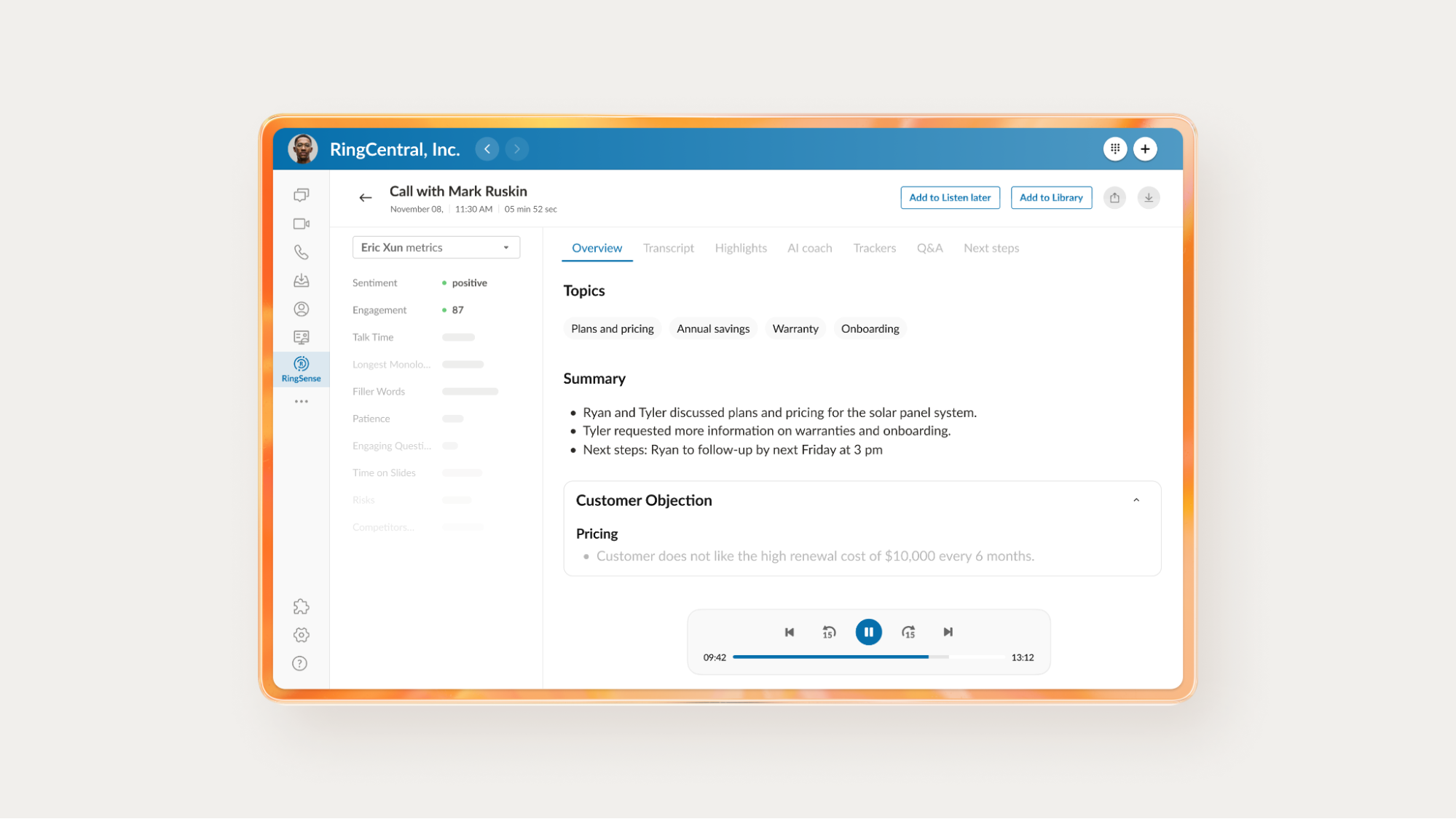
Always check to see whether a cloud telephony provider offers a demo or tour of their platform, and take advantage of it if they do so you can see for yourself how easy it is to use.
Value for money
Budget is always a key consideration in any business decision, but that doesn’t mean you should just jump for the cheapest option. It’s much more important to make sure you’re getting good value for money.
Work out what the full cost will be across the contract period including any setup fees, monthly charges, or usage-based costs, and scrutinize the contract for any hidden fees and the potential for future price adjustments.
Vendor support
Accessing support for any problems should be straightforward. Begin by checking the availability of migration services.Dig down into the details of how much assistance the vendor will give you with system planning and initial configuration. Also, research the provider’s reputation for customer support so you can have confidence help will be readily available should you need it.
Make the most of cloud telephony with RingCentral RingEX
With RingCentral RingEX, you get a fully unified telecommunications solution that allows you to call, host and join meetings, and send or receive SMS and fax messages, all from within one single easy-to-use app.
You’ll experience unmatched call quality and the peace of mind that comes with knowing your system is protected by top-tier security features. And thanks to the impressive suite of AI-supported tools, you’ll benefit from automatic call transcriptions, message translation, and even the option to ask AI to refine and polish your writing so you give a professional impression every time.
What’s more, RingCentral RingEX comes with a ready-made library of over 500 integrations for leading software platforms like Google and Zendesk, as well as a huge range of industry-specific options.
If you’d like to learn more about how RingCentral RingEX can take your business communications to the next level, simply reach out to one of our experts or try a demo today.
Cloud telephony FAQs
What is cloud telephony?
Cloud telephony refers to a telecommunications platform for business that routes calls over the internet rather than using a traditional phone line. It’s a popular option for businesses because it does away with the need to buy and maintain expensive on-site telecoms infrastructure.
How does cloud telephony work?
Cloud telephony services use VoIP technology to route calls over the internet, and the provider hosts the relevant software on its own servers. When a user makes a call, they open the telephony app on their internet-connected device or use a VoIP phone that’s linked into the network. The sound of the caller’s voice is transformed into data packages so it can be sent over the internet, and these are changed back into analog sound at the other end.
What do businesses use cloud telephony for?
Businesses use cloud telephony not only as a full replacement for traditional telephone systems, but also to benefit from the advanced features that are made possible by the technology. For instance, many top-end cloud telephony systems provide AI-supported tools to simplify communications workflows, such as in-app translation and AI assistants.
How much do cloud telephony solutions cost?
Costs vary widely depending on how many features a company wants. In general, though, pricing is calculated on a per-user-per-month basis, which means the bill is always predictable. It’s also easy to add or remove users within the account admin portal, in which case the cost is adjusted automatically.
Originally published Aug 13, 2025