AI Communications








Your customer calls support frustrated about a billing issue. Two hours later, your sales team emails them about upgrading their plan. That’s not the kind of customer experience you want to provide.
Without a clear management plan, your customers bounce between touchpoints and team members who don’t talk to each other. Support doesn’t know what sales promised, marketing sends emails that contradict what your website says. Each disconnected interaction chips away at customer trust.
Customer journey management combats this chaos. You can ensure customers feel understood instead of shuffled around and that your teams collaborate instead of compete.
This customer journey guide will show you how to build a comprehensive approach that transforms disconnected touchpoints into cohesive experiences.
Customer journey optimization and management: Key takeaways
- Journey management goes beyond mapping – It actively shapes customer experiences through coordinated action across all touchpoints.
- Real-time coordination matters – Teams need shared visibility into customer context to deliver seamless experiences.
- Focus on high-impact moments – Perfect critical interactions like onboarding and renewals before optimizing everything else.
- Test changes systematically – Pilot programs reduce risk and prove what works before company-wide rollouts.
- Data integration is essential – Connected systems enable personalized responses and proactive intervention.
What is a customer journey?
A customer journey is the complete path your customers take when interacting with your business. It starts before they even know your company exists and continues long after their first purchase.
Think of it as a roadmap of every touchpoint. Your customer might discover you through a Google search, visit your website, chat with sales, sign up for a trial, contact support, and eventually become a long-term customer.
Each step involves different emotions, needs, and decisions. During the awareness stage, they’re researching solutions to their problem. In the consideration phase, they’re comparing you against competitors. Post-purchase, they’re evaluating whether you delivered on your promises.
Understanding customer journeys helps you see your business through customers’ eyes. You’ll spot where people get confused, frustrated, or excited. You can identify which touchpoints work well and which create unnecessary friction.
Most customer journeys include these key stages:
- Awareness – Discovering they have a problem you can solve
- Consideration – Evaluating potential solutions and providers
- Purchase – Making the buying decision
- Onboarding – Getting started with your product or service
- Ongoing use – Regular interactions and support needs
- Renewal or expansion – Deciding whether to continue or grow the relationship.
What is customer journey management?
Customer journey management is the strategic process of designing, monitoring, and optimizing every interaction customers have with your business across all touchpoints and channels. This customer journey management definition encompasses both the technology and processes needed to deliver coordinated experiences.
Unlike customer journey mapping, which creates visual representations of the customer experience, journey management takes action on those insights. Creating a customer journey map shows you what’s happening. Management lets you control and improve what happens next through a structured customer journey management framework.
Here’s how they work together:
- Journey mapping reveals that customers get frustrated during your onboarding process
- Journey management implements solutions like automated check-in emails, proactive support outreach, and streamlined setup workflows.
Management occurs in real time, eliminating the need to wait for quarterly reviews to identify issues. When a customer shows signs of frustration, the system triggers an immediate intervention. If someone demonstrates high engagement, they are fast-tracked to expansion conversations.Managing customer journeys demands coordination across teams. Marketing can’t operate in isolation. Sales needs to know what support promised last week. Your agents need full customer context, not fragmented ticket histories. Whether you’re working on a customer journey in ecommerce or B2B services, this principle remains constant.
A robust customer journey management system provides this complete context instantly.
Benefits of customer journey management
Customer journey management delivers measurable improvements across your entire organization. Here’s how it transforms your business operations and customer relationships:
Seamless customer experiences drive satisfaction
A comprehensive digital customer experience strategy ensures consistency across all channels. You eliminate the friction that drives customers away.
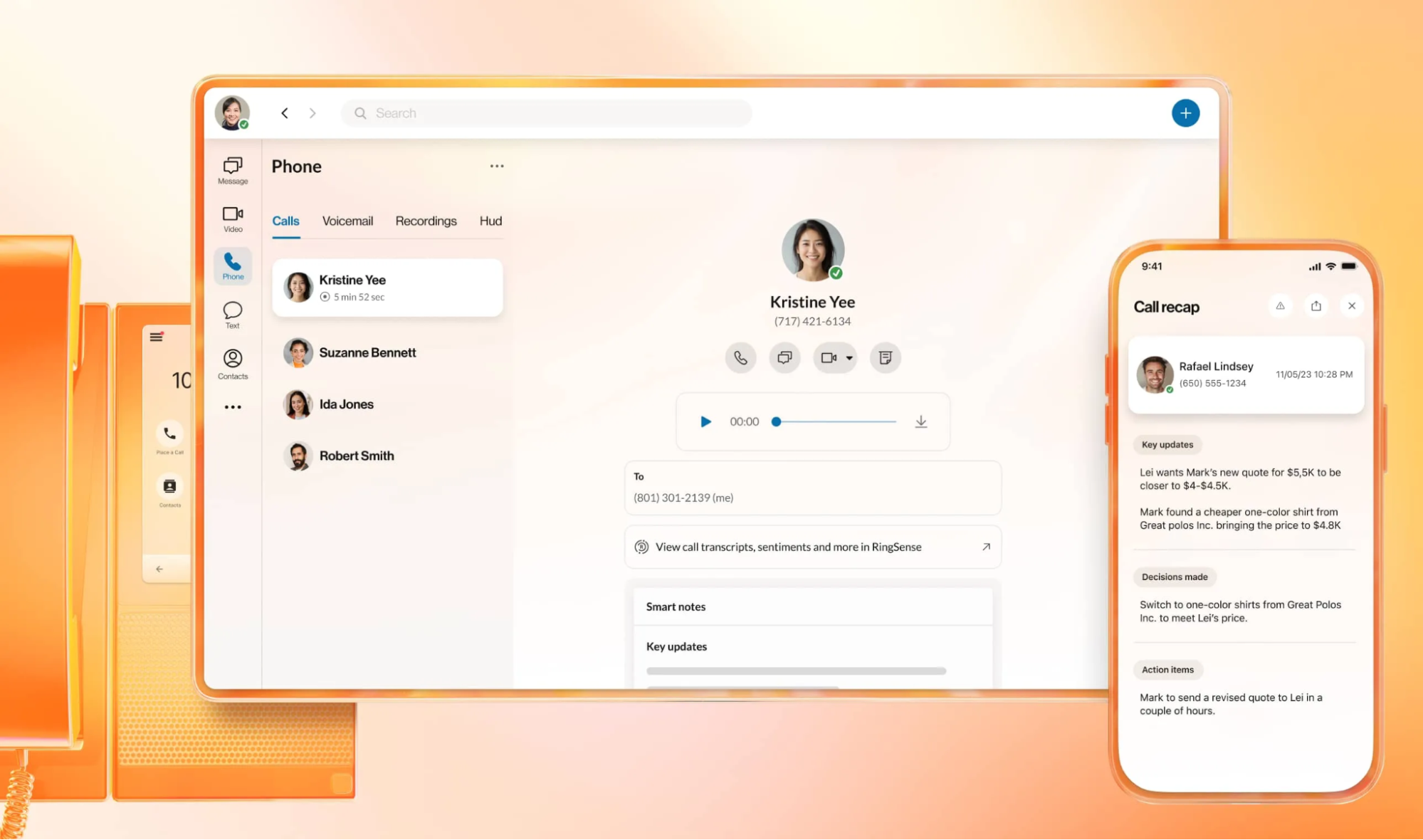
When your support team knows a customer’s purchase history, they resolve issues faster. When marketing aligns with sales messaging, customers receive consistent information throughout their buying process.
This coordination creates smoother experiences. Customers spend less time explaining their situation to multiple departments. They get relevant solutions instead of generic responses.
Proactive intervention increases retention
Journey management helps you spot warning signs before customers churn. You can identify when engagement drops, when support tickets spike, or when usage patterns change.
Early intervention saves relationships. A proactive check-in call can address concerns before they become cancellation reasons. Personalized offers can re-engage customers who’ve gone quiet.
Optimized paths boost revenue growth
You guide prospects through streamlined paths to purchase and remove unnecessary steps that cause drop-offs.
Sales teams close more deals when they understand which marketing campaigns brought customers in. They can reference relevant content and address specific pain points customers have already expressed.
Data-driven insights improve operations
Journey management provides clear metrics on customer behavior patterns. You see which touchpoints drive engagement and which create barriers.
These insights inform strategic decisions. You can allocate budget toward high-performing channels and fix problematic processes before they impact more customers. Teams gain shared visibility to reduce duplicate efforts and optimize customer journeys based on real data.
Managing customer experience becomes measurable and actionable rather than guesswork.
How to build your customer journey management strategy
Creating a customer journey management strategy requires methodical planning and cross-team collaboration. Most companies jump straight to buying expensive software. You need to understand your current situation first, then build from there.
Assess where you stand and set clear goals
Start with an honest audit of your existing touchpoints. Pull together customer feedback from every source; support tickets, survey responses, sales notes, chat transcripts.
Look for patterns in what customers love and hate. Analyze where customers tend to abandon processes, and determine which interactions lead to complaints. Understand the factors that encourage customers to recommend your services or products to others.
Map these touchpoints without glossing over the facts. Document the reality, not what you wish was happening. Set specific, measurable targets for improvement and pick three pain points that affect the most customers. Fix those first and let the small wins build momentum for bigger changes.
Leverage your customer data
Your customer information lives in scattered systems. CRM holds purchase data, support platforms track tickets, marketing automation shows email engagement, and analytics reveal website behavior.
This fragmentation creates blind spots that hurt customer relationships. Connect these data sources to build complete customer profiles. You need visibility into purchase history, support interactions, communication preferences, and engagement patterns.
Use this consolidated view to anticipate customer needs. Data-driven personalization beats generic outreach every time.
Encourage cross-team participation
Your departments probably work against each other without realizing it. Marketing promises fast results. Sales agrees enthusiastically. Operations delivers something completely different.
Align teams with shared metrics and regular communication:
| Team | Traditional focus | Journey-focused goal |
| Marketing | Lead volume | Lead quality and conversion rates |
| Sales | Individual quotas | Customer lifetime value |
| Support | Ticket speed | Customer satisfaction outcomes |
| Success | Renewal rates | Expansion revenue growth |
Hold monthly cross-functional reviews. Discuss customer feedback, process bottlenecks, and improvement opportunities together. Create handoff protocols between departments. Sales should brief onboarding teams about customer expectations, support should flag upsell opportunities for account managers.
Use the right customer journey management tools
Select platforms that integrate seamlessly with your current technology stack. Integration nightmares will derail your progress faster than anything else. Customer journey management software should connect your existing tools rather than replace them entirely.
Prioritize real-time capabilities over fancy features. When customers show engagement spikes or drop-off signals, you want immediate visibility and response options. The right customer journey solutions make this automatic rather than manual.
Automation features are essential for scaling your efforts. Manual processes work for dozens of customers, not thousands. Your platform should deliver actionable analytics that show which improvements drive results and which fall flat.
Bonus customer journey tips
Not all customer interactions carry equal weight in shaping relationships and business outcomes. Several touchpoints have a disproportionate influence on customer satisfaction, retention, and lifetime value.
First-week onboarding experiences often determine whether customers become long-term advocates or early churners. Renewal conversations directly impact revenue and growth projections. Crisis support interactions test customer loyalty when relationships are most vulnerable.
Identify your organization’s make-or-break moments by analyzing customer feedback patterns, contact center analytics, and churn data. The interactions that frequently occur in customer complaints should be identified. It is important to examine areas with significant variations in satisfaction scores. Additionally, analyzing the touchpoints that have the strongest correlation with customer retention or expansion will provide valuable insights.tion and resources in getting these critical interactions right. Perfect these moments before addressing lower-impact touchpoints.
Implementing journey management changes across your entire customer base without testing creates unnecessary risk and potential backlash from both customers and internal teams.
Run controlled pilot programs with carefully selected customer groups. Choose segments that represent your broader customer base but are large enough to generate statistically meaningful results. Document baseline metrics before implementing changes so you can measure actual impact.
Scale proven improvements while scrapping approaches that don’t deliver expected results. Use pilot learnings to refine processes before broader implementation. This methodical approach reduces risk while maximizing the impact of your journey management efforts.
RingCentral RingCX: Your customer journey platform
Managing customer journeys becomes exponentially easier when all your communication channels live in one integrated platform. RingCentral RingCX is a comprehensive customer experience platform that gives you that unified foundation.
Your customers reach out through phone, email, chat, and social media. RingCX handles all these channels within one interface. Agents see complete conversation histories regardless of how customers initially contacted you.
Built-in analytics also mean you can track channel preferences, resolution times, and satisfaction scores in real time. These insights reveal optimization opportunities you might otherwise miss.
CRM integrations, meanwhile, show agents purchase history, account status, and communication preferences instantly. Your sales team sees which campaigns brought customers in and what support issues they’ve experienced.
RingCX scales with your business without platform migrations or painful data transfers.
Customer journey management FAQs
What is customer journey management?
Customer journey management is the strategic process of designing, monitoring, and optimizing every interaction customers have with your business across all touchpoints and channels.
What is the customer journey management process?
The customer journey management process involves four key stages that work together continuously. First, you map current customer experiences to identify pain points and opportunities. Then, you design improved processes that address those issues. Next, you implement changes across relevant touchpoints and teams. Finally, you monitor results and optimize based on customer feedback and performance data.
How is customer journey management different from customer journey mapping?
Journey mapping visualizes the customer experience from start to finish, while journey management acts on observations along the way to create better experiences. Think of mapping as diagnosis and management as treatment.
Originally published Aug 11, 2025