AI Communications





Work is changing fast. But the smartest, most innovative companies aren’t just moving quickly. They are working differently.
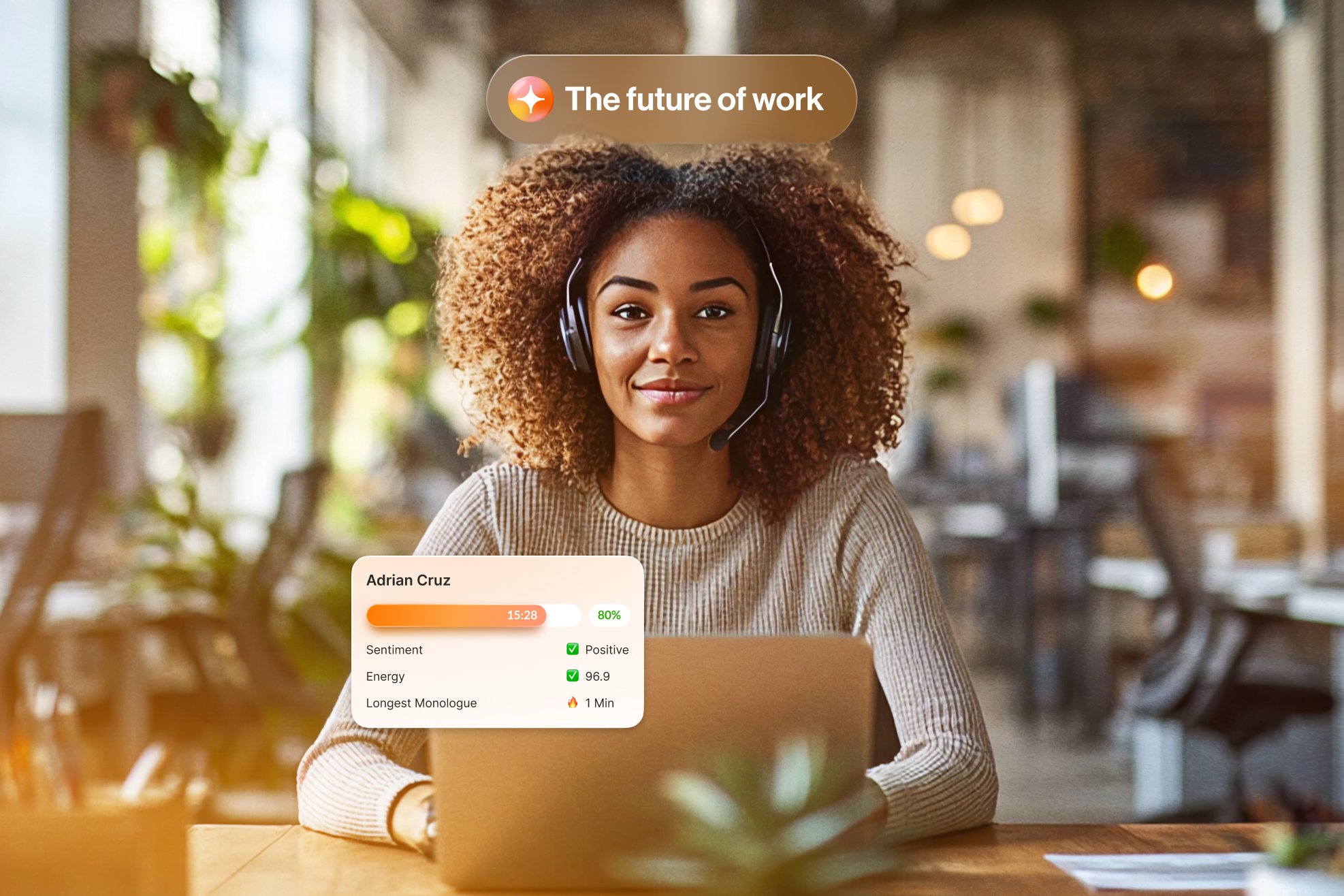
They’re resolving issues faster, auditing more customer interactions, and freeing up their people from repetitive, low-value work. Driving it all is a new generation of AI that isn’t just a backend tool: agentic AI is becoming part of the team.
At RingCentral, we’re seeing agentic AI evolve into a trusted partner in daily workflows. It’s supporting employees and helping them think faster, act smarter, and create better experiences, resulting in unparalleled declines in service tickets, triple-digit growth in call auditing, and hours saved in manual toil.
And expectations are growing, as our recent research revealed:
- 76% of executives said they expect agentic AI to improve service quality
- 68% anticipate more substantial customer lifetime value
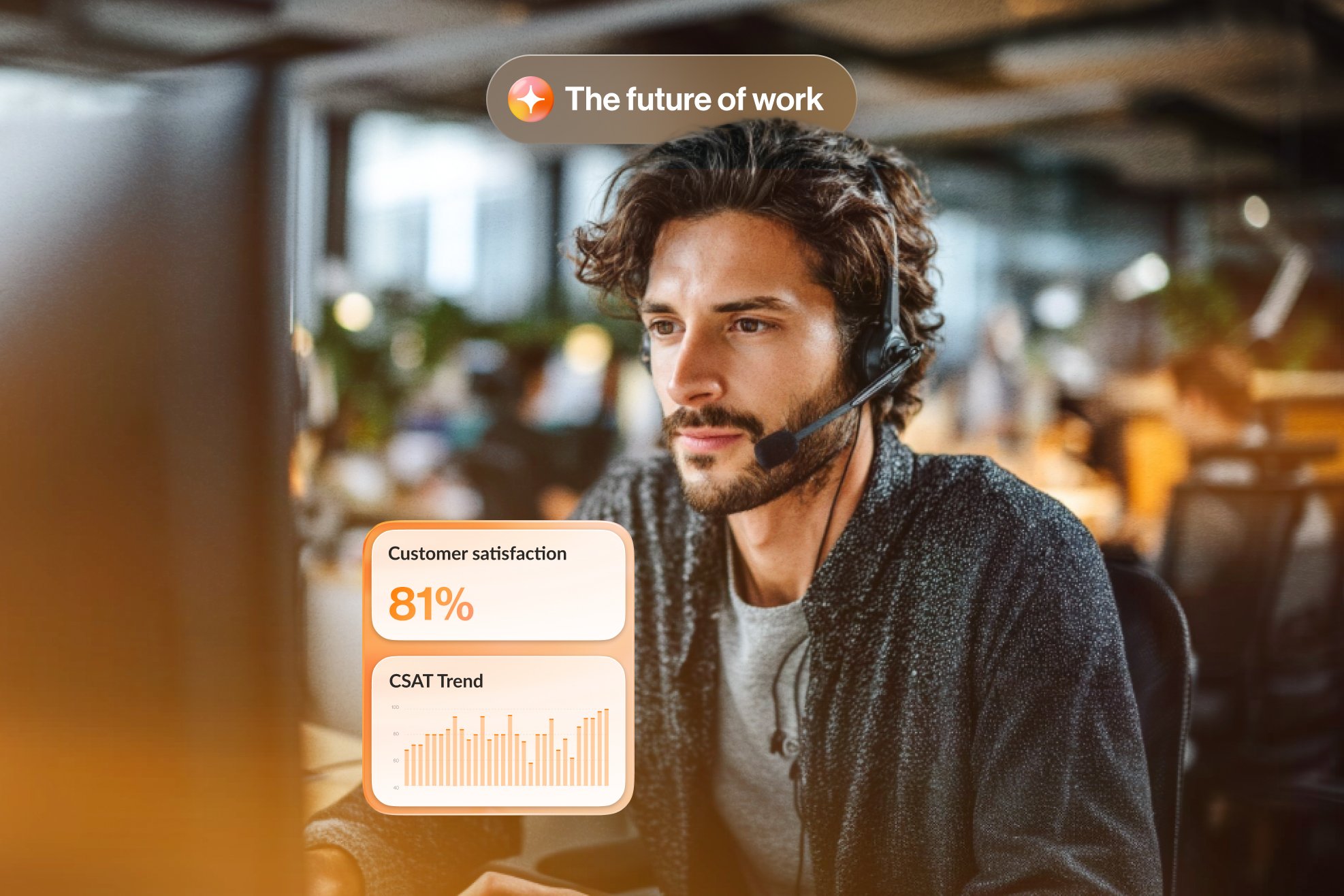
- 65% believe it will increase metrics like NPS and CSAT
Agentic AI isn’t hype. It’s redefining how teams collaborate, make decisions, and move the business forward.
AI that works like a teammate
Agentic AI is changing how work gets done. It integrates directly into conversations and systems, providing help in the moments that matter: on calls, during meetings, and inside day-to-day tasks.
RingSense, for example, quietly joins meetings to generate summaries, capture key insights, and create action items automatically. In the contact center, AI Agent Assist delivers real-time guidance so agents can respond faster and more effectively, without switching tools or hunting for answers.
At Axis Integrated Mental Health, RingCentral AI Receptionist took on routine scheduling and intake. They saw a 60% increase in new patient volume and millions in added revenue. The team didn’t change how they treated patients, only how they handled the process around them.
Smarter connections across teams
Agentic AI is closing the collaboration gap that systems created. For years, teams like sales and support lived in silos. With agentic AI layered across platforms like RingCX, those silos collapse.
Behind the scenes, APIs and webhooks connect agentic AI to systems like your CRM, help desk, and email, allowing it to surface the proper context—like order history or unresolved tickets—without making people switch tabs or dig around. The result? A complete, real-time view of the customer that’s ready when you need it.
This unified intelligence helps teams act faster and more strategically. Reps spend less time on logistics and more time building relationships. Managers can coach with sharper insight. And every function benefits from a shared understanding of what’s working.
The shift toward agentic AI is already underway
True autonomous AI may still be emerging, but agentic AI is already driving measurable outcomes, with systems that assist in real time, learn from interactions, and drive meaningful business impact. We’re seeing this unfold across RingCentral customers:
At REE Medical, for example, AI tools expanded the team’s ability to audit from hundreds of calls to tens of thousands. With that scale came a better understanding of patterns, outcomes, and where human attention should be focused next.
Endeavor Capital used AI-powered follow-ups to maintain momentum with prospects and unlock 40% sales growth, without adding headcount.
However, while agentic AI feels seamless to the end user, a lot is happening behind the scenes:
- APIs and webhooks connect it to tools like calendars, CRMs, and help desks, allowing it to act in context rather than in a vacuum.
- Vector databases retrieve relevant information in milliseconds, like pulling customer history when an overdue invoice is mentioned.
- Adaptive learning loops help the system improve over time. At Endeavor Capital, follow-ups became more effective by testing which message templates drove the highest engagement.
These under-the-hood capabilities make agentic AI an active collaborator, not just automation.
That’s the shift we’re seeing: businesses moving beyond automation as a cost-saver and starting to treat AI as a performance partner. The next evolution will take this further, with agentic systems that work across functions, adapt on the fly, and free up humans to focus where they add the most value.
Redefining the way we work
The real promise of agentic AI isn’t to replace people. It’s to remove the noise that gets in their way. It clears low-value tasks, connects data, and fits seamlessly into the tools teams already use—thanks to APIs, smart data retrieval, and adaptive learning under the hood—giving everyone a clearer view and helping them move in sync.
Instead of chasing clarity or context, people can focus on a sharper, faster workplace that’s ready to meet whatever comes next.
Updated Sep 29, 2025