AI Communications





A structured comparison of leading patient engagement platforms to help healthcare operations and IT leaders make a confident, informed decision.
Scheduling backlogs, stretched administrative staff, and fragmented communication tools create gaps that show up where they hurt most: missed phone calls, rising no-show rates, and patients who don’t come back. When a patient can’t reach the right person quickly, the downstream effects extend beyond operations into care quality and retention.
The platforms a healthcare organization chooses to manage patient communication determine how well it scales through those pressures. A tool that handles appointment reminders but can’t connect to your electronic health record (EHR) system creates reconciliation work. Meanwhile, a platform that supports messaging but not voice leaves a significant portion of your patient population underserved. And a system that requires weeks of IT configuration before it goes live delays the value you need now.
This article outlines a structured approach for evaluating patient engagement software across communication channels, EHR integration depth, AI-driven automation, and compliance readiness. It covers both purpose-built patient engagement platforms and communication-first platforms with healthcare-specific capabilities so you can identify the best match for your current gaps.
Key takeaways
- EHR integration depth determines whether a platform can take action in clinical systems or merely surface information for staff
- Health Insurance Portability and Accountability Act (HIPAA) compliance, omnichannel communication, and AI-driven automation are now baseline evaluation criteria, not differentiators
- The right platform depends on whether your primary gap is patient-facing engagement, staff-facing communication, or both
Top 5 patient engagement software platforms compared
The following platforms were evaluated across the same core criteria: omnichannel support, EHR and practice management system (PMS) integration, AI automation capabilities, HIPAA compliance, and deployment model. Whether your priority is reducing inbound call volume, eliminating phone tag, or automating pre-visit workflows, the comparisons below provide a solid starting point.
| Platform | Omnichannel channels supported | EHR/PMS integration | AI automation capabilities | Deployment model |
|---|---|---|---|---|
| RingCX and AIR Pro for Healthcare | Voice, SMS, video, messaging | Over 80 EHR/PMS systems (Epic, Oracle Health, Athenahealth, eClinicalWorks) | Agentic AI: scheduling, verification, intake, record updates | Cloud, controlled availability |
| Phreesia | Voice, SMS, email | Broad EHR integration | Automated reminders, digital intake, eligibility | Cloud |
| Clearwave | SMS, email, kiosk, online | More than 40 EHR/PMS systems | Self-service scheduling, eligibility checks, automated communications | Cloud |
| ModMed Patient Engagement | SMS, web messaging | EHR integration | Automated reminders, digital intake, team inbox | Cloud |
| Relatient | Voice, SMS, email | EHR integration | Automated outreach, self-scheduling, reactivation campaigns | Cloud |
1. RingCentral RingCX and AIR Pro for Healthcare
RingCX is RingCentral’s cloud-based contact center platform built to manage high-volume patient interactions across voice, digital messaging, and video channels. It provides the omnichannel infrastructure healthcare organizations need to route, manage, and analyze patient communications at scale.
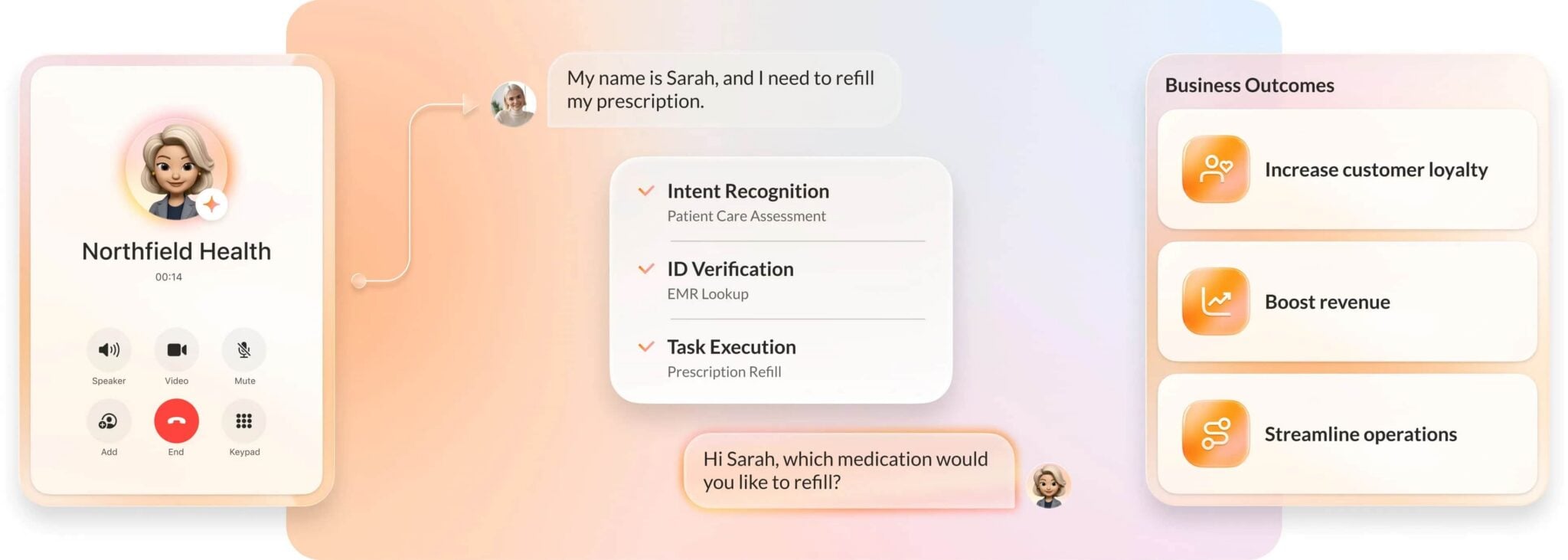
AIR Pro for Healthcare extends RingCX with voice-first agentic AI capabilities designed specifically for patient access and administrative workflows. Together, they create a unified platform for both human-assisted and AI-automated patient engagement.
RingCX includes:
- Intelligent omnichannel routing: Routes patient interactions across voice, SMS, video, and messaging channels to the right team member with full context.
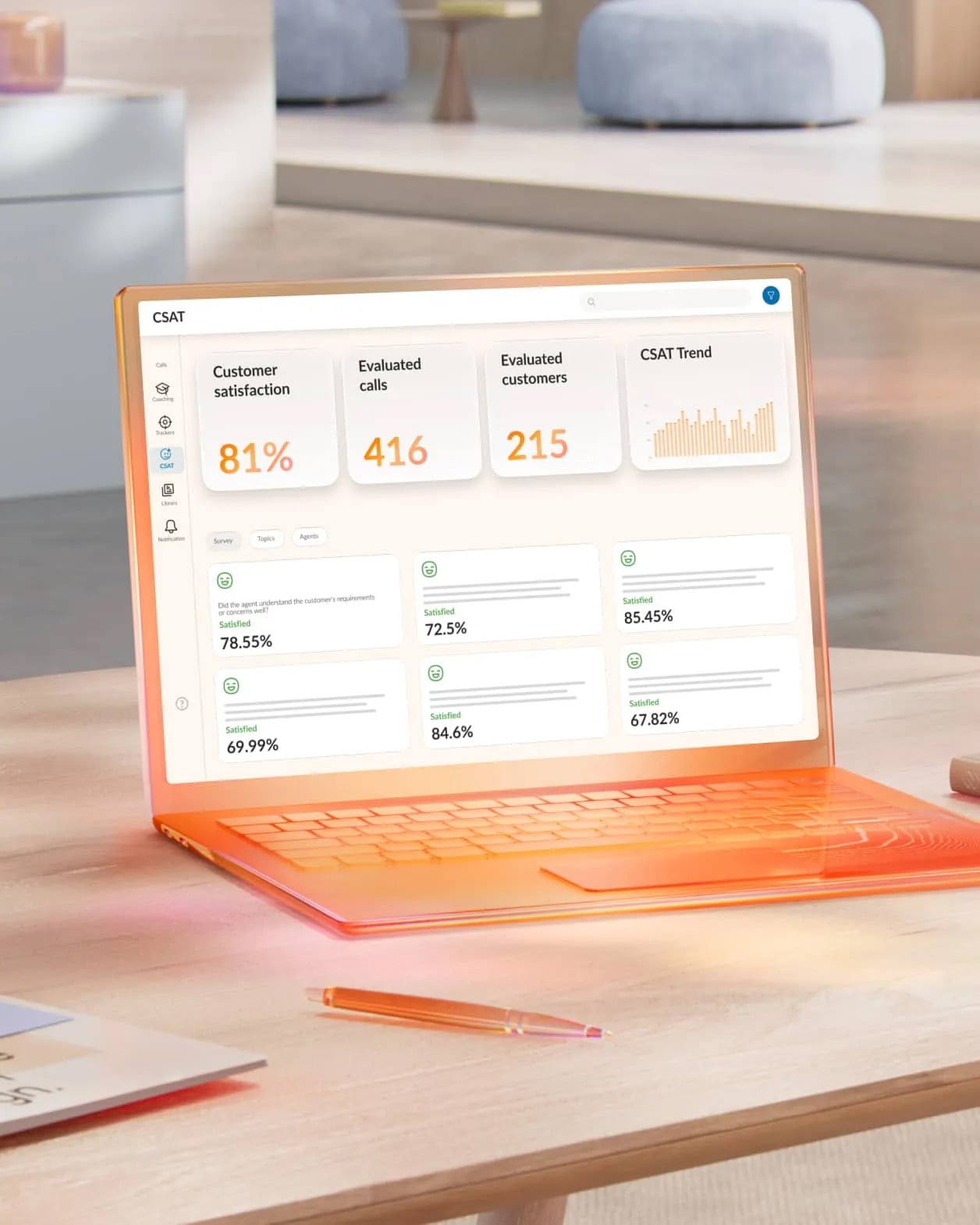
- Real-time analytics: Surfaces performance metrics across all patient touchpoints for data-driven decision making.
- Workforce management tools: Gives operations teams visibility into agent productivity and queue performance.
- Unified patient interaction history: Consolidates every patient touchpoint across channels into a single view so staff can pick up conversations without asking patients to repeat information.
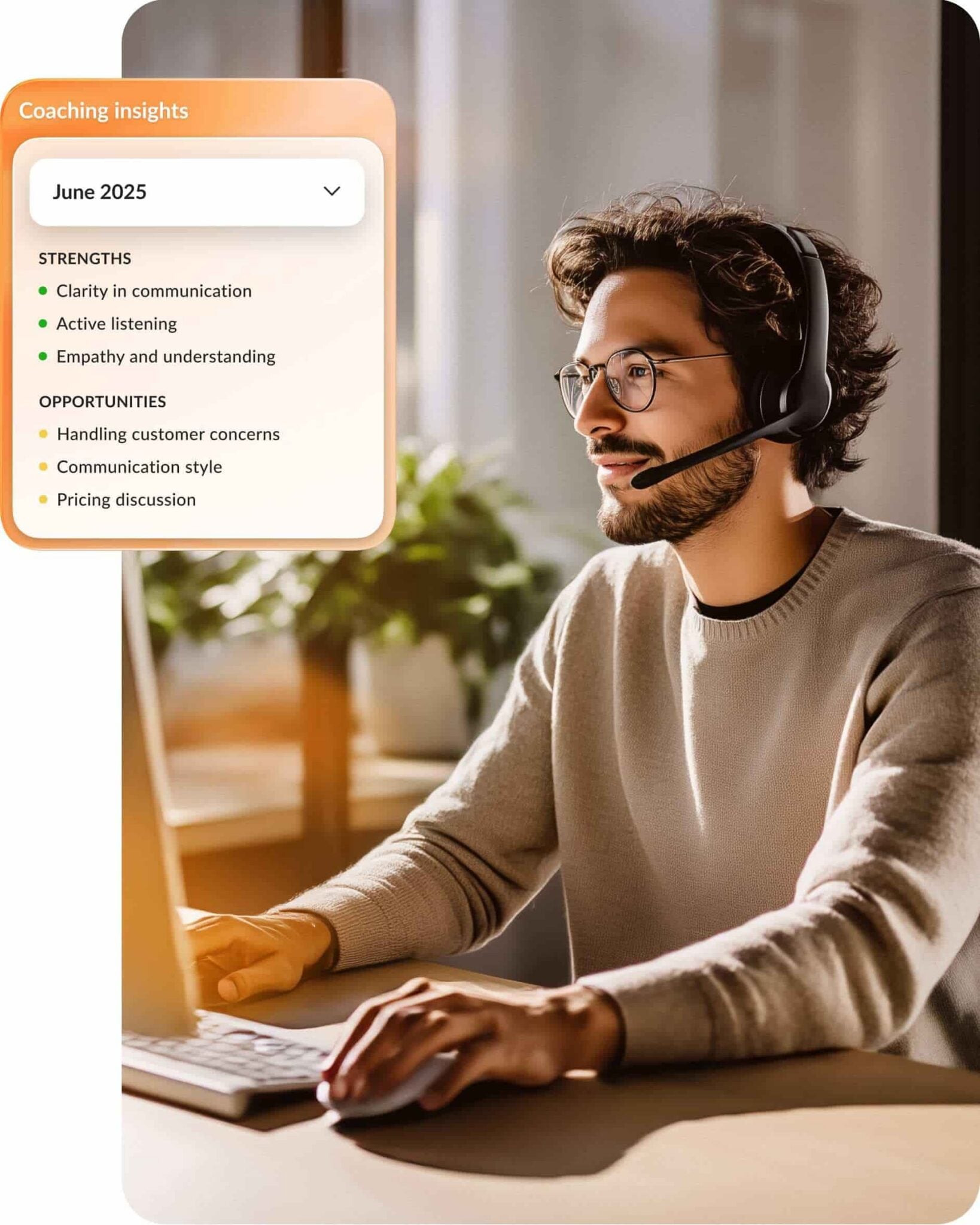
- Quality management and coaching tools: Enables supervisors to monitor interactions, identify training opportunities, and improve patient experience across the care team.
AIR Pro for Healthcare offers:
- Pre-built AI agents: Handles appointment scheduling, rescheduling, identity verification, and intake capture without custom development.
- Deep EHR/PMS integration: Connects directly to over 80 systems, including Epic, Oracle Health (Cerner), Athenahealth, and eClinicalWorks, to update records and take action in real time, not just retrieve patient information for staff to act on later.
- Built-in HIPAA compliance: Supports HIPAA-aligned guardrails, role-based access controls, and transparent AI oversight to reduce compliance risk at scale.
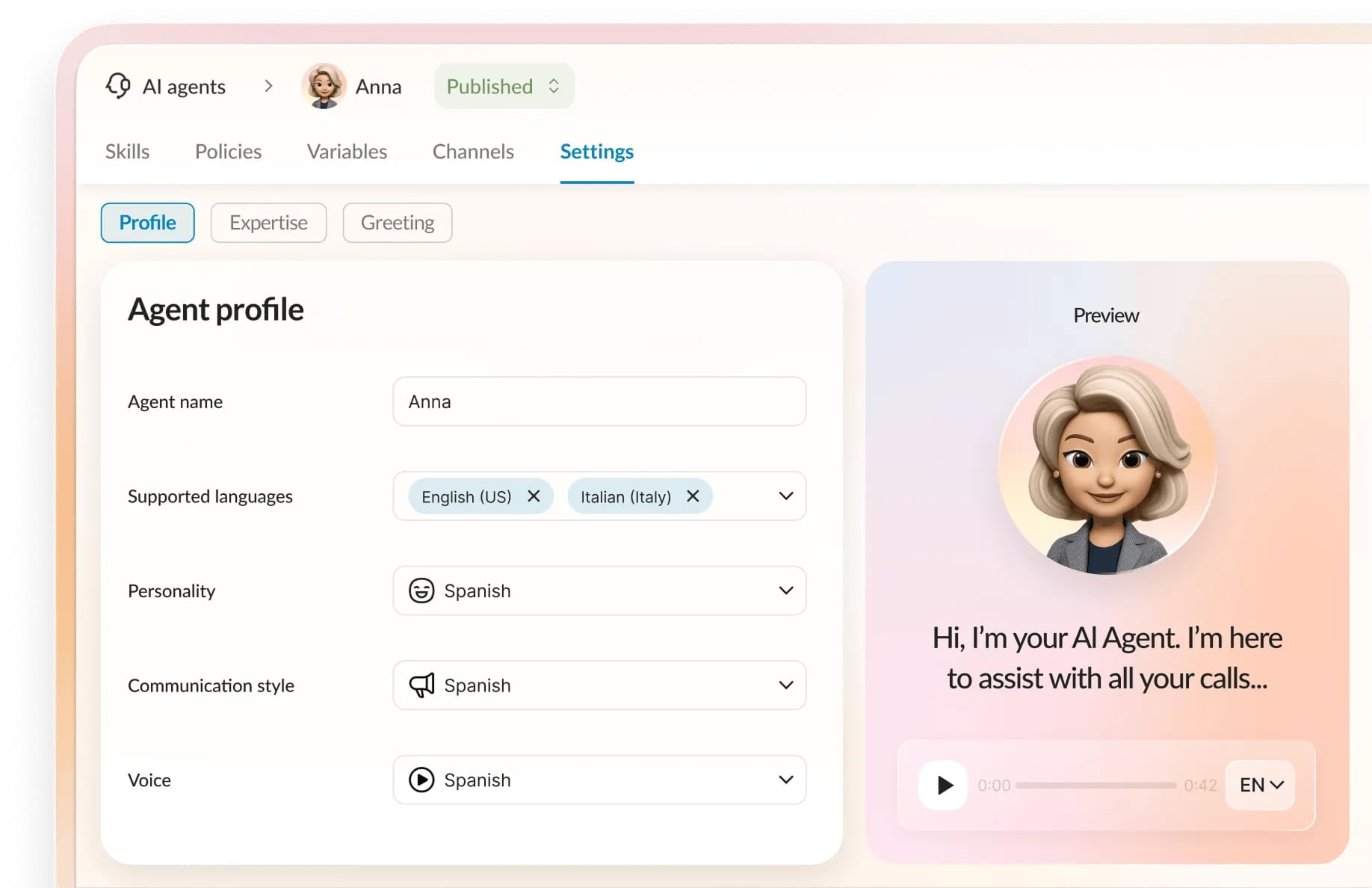
- No-code configuration: Allows operations and customer experience (CX) teams to configure and adjust AI agent workflows through AIR Pro Studio, reducing time to deployment and keeping iteration in the hands of the teams closest to the patient experience.
AIR Pro for Healthcare is currently in early access, sign up to be one of the first to try it.
2. Phreesia
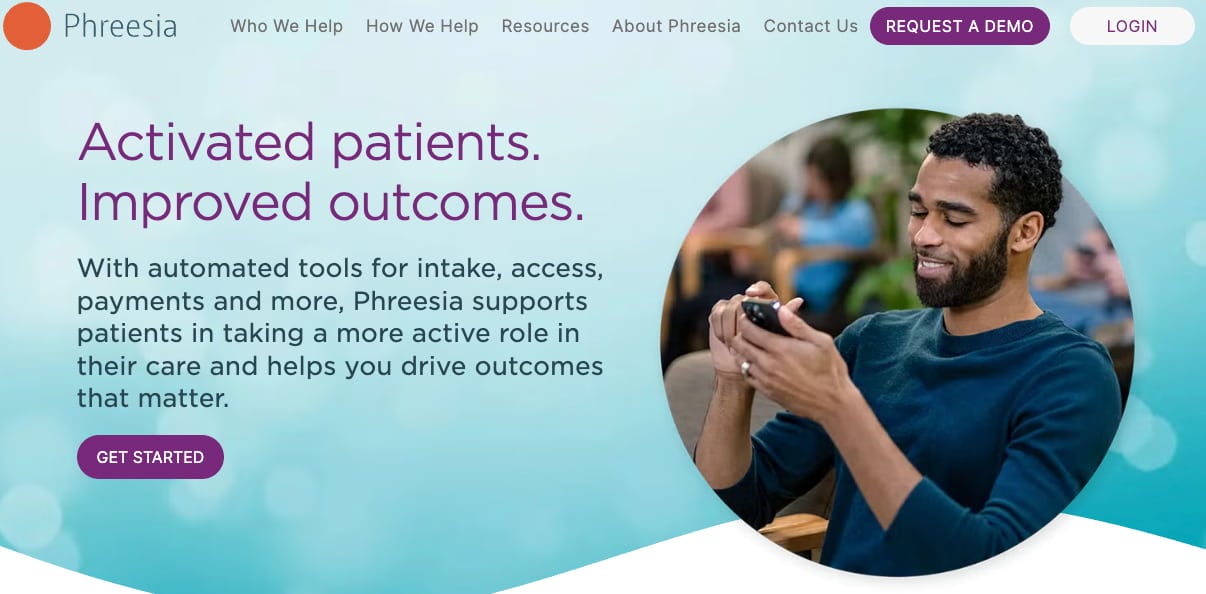
Phreesia is a patient intake and engagement platform focused on automating the pre-visit and point-of-service experience. Its core strength is in reducing the administrative burden of intake, eligibility verification, and payment collection before and during the clinical encounter.
Phreesia has a strong track record in large health systems, where its depth in intake automation has made it a widely adopted solution for standardizing the patient check-in experience across multiple locations.
Key capabilities include:
- Automated appointment notifications
- Digital self-service check-in
- Health campaign tools for targeted patient outreach
- Practice-level analytics
- Payment collection at the point of service
3. Clearwave
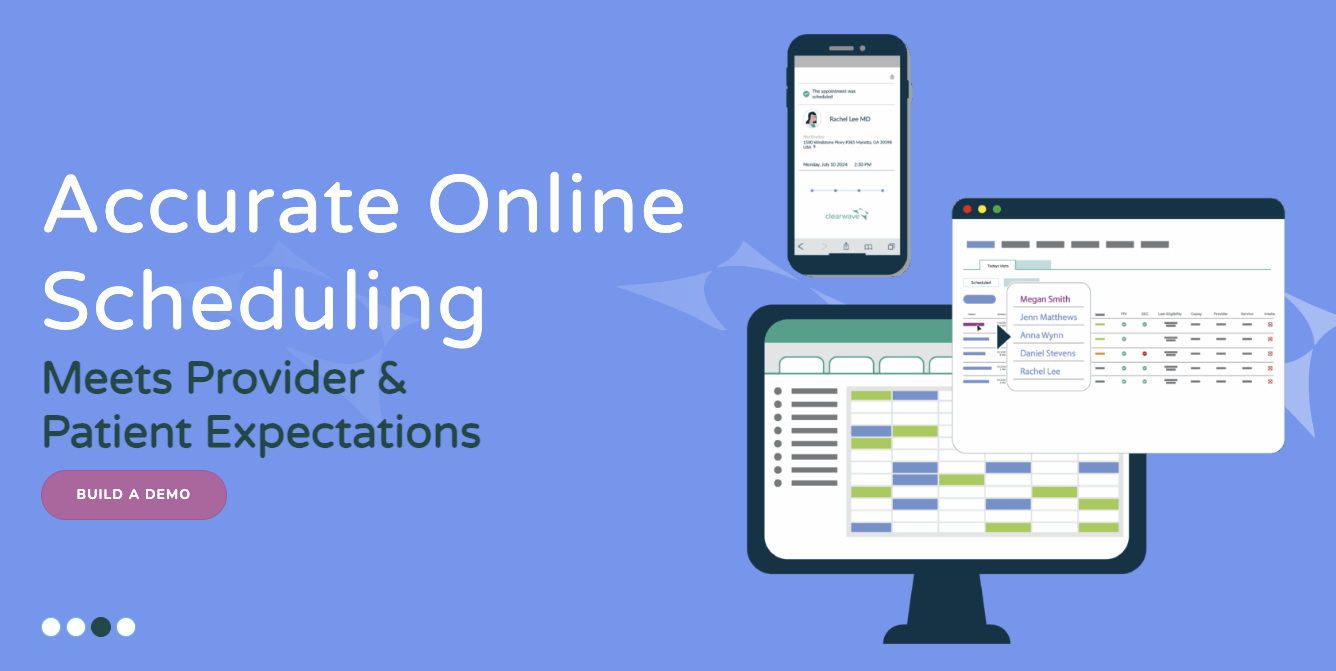
Clearwave is a patient engagement solution built around self-service scheduling, eligibility verification, kiosk-based check-in, and automated communications. Its design prioritizes reducing front-desk workload and improving collections efficiency, with a particular focus on specialty practices.
Clearwave’s distinguishing characteristic is its combination of quantified operational metrics and specialty-practice depth.
The platform supports:
- 24/7 online scheduling
- Automated eligibility checks
- Self-service kiosks for in-office check-in
- Two-way SMS communication
- Integrations with more than 40 EHR and practice management systems
For specialty practices, Clearwave’s operational focus and measurable efficiency gains make it a relevant option, but larger organizations should assess how its kiosk and self-service model fits their patient population’s digital readiness.
4. ModMed Patient Engagement (formerly Klara)
ModMed Patient Engagement (formerly called Klara) is a patient communication platform built around two-way, HIPAA-compliant messaging that replaces phone tag with secure text-based conversations between patients and care teams. Its core value is in practices where asynchronous communication is more practical than voice-heavy workflows.
ModMed’s primary differentiator is its messaging-first architecture. Rather than routing patient communication through a phone queue, ModMed enables patients to send and receive messages via SMS or web, with care teams managing responses through a shared team inbox.
Key capabilities include:
- Two-way SMS and web messaging
- Automated appointment reminders and confirmations
- Digital forms
- Team collaboration tools that support care coordination
- EHR integration for context during patient conversations
5. Relatient
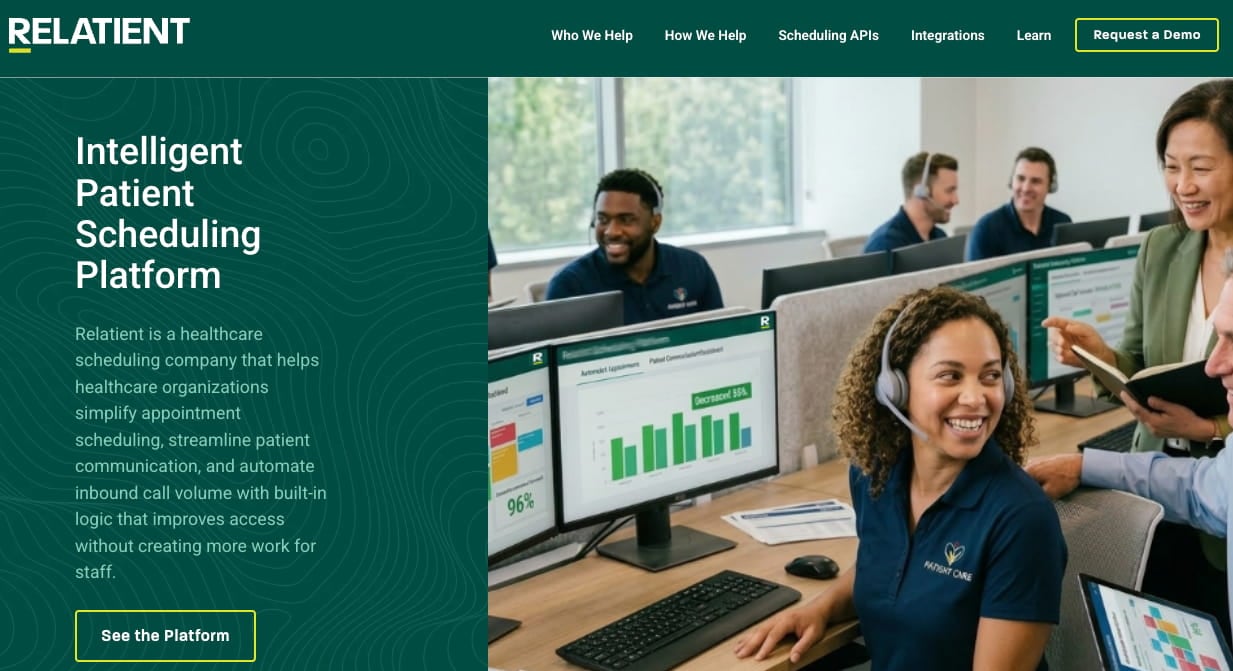
Relatient is a patient scheduling and engagement platform that combines automated outreach, self-scheduling, and patient reactivation tools to reduce no-shows and fill appointment gaps. Its focus is on scheduling efficiency and the recovery of lapsed patient relationships.
Relatient’s differentiating capabilities are its patient reactivation tools, which make it a strong option for practices managing high volumes of patients who haven’t scheduled in a defined period.
Through its Dash platform, Relatient supports:
- Multi-channel appointment reminders
- Self-service scheduling
- Waitlist management to fill last-minute cancellations
- Patient reactivation campaigns
- EHR integration for scheduling context and record updates
For practices where a significant portion of the revenue opportunity sits in lapsed or inactive patients, Relatient’s reactivation capabilities address a gap that reminder-only platforms don’t cover.
Evaluation criteria for patient engagement software
With multiple platforms covering overlapping capabilities, what matters most depends on your current gaps. The following criteria give you a consistent framework for comparing modern patient engagement tools across the dimensions that affect operational outcomes:
- EHR integration depth: A platform that reads data but can’t write back to your system of record creates manual reconciliation work and limits automation potential. Evaluate whether the integration is bidirectional and whether it supports the specific EHR systems your organization runs.
- HIPAA compliance and governance controls: Evaluate whether compliance is built into the architecture or managed through configuration, and whether the platform provides audit trails, role-based access controls, and transparent AI oversight at scale.
- Omnichannel coverage: Patients communicate across multiple digital channels and want their providers to engage that way as well. A platform that covers only one or two channels creates gaps in reach and response rates, particularly for patient populations with varying digital access.
- AI automation scope: Determine whether the platform automates discrete tasks like reminders and forms or executes multi-step workflows, including scheduling, verification, and record updates, autonomously. The difference in operational impact between task automation and workflow automation is significant—research shows automated reminders and appointments can reduce no-show rates up to 40%.
- Deployment speed and configuration model: Implementation timelines range from weeks to months. No-code configuration reduces dependency on IT and accelerates time to value, which matters when administrative pressure is immediate.
- Staff adoption and workflow fit: Choosing a platform that frontline teams won’t consistently use results in wasted investment and delayed returns. Evaluate the user interface and training requirements alongside the feature set since adoption determines whether the investment delivers its projected return.
How to choose patient engagement software
The right platform depends on your operational gaps and what you want your patient engagement strategy to accomplish over the next 12 to 24 months. Work through the following decision paths based on your primary use case:
Voice-channel patient access at high volume
Look for platforms with agentic AI capabilities and deep, bidirectional EHR integration.
A platform that can answer a scheduling question is different from one that can confirm the appointment, update the record, and send the confirmation.
Messaging-first patient communication
If your challenge involves increasing asynchronous coordination between patients and care teams, look for platforms built around two-way HIPAA-compliant texting and shared team inbox tools. Voice-heavy platforms won’t solve this problem even if they offer text messaging as an add-on.
Pre-visit and point-of-service automation
Look for platforms with proven intake depth and documented adoption rates in health systems similar to yours. Configuration flexibility matters because intake workflows vary significantly by specialty and visit type.
Multiple locations and multi-specialty operations
Prioritize platforms with multi-site configuration, role-based access controls (RBAC), and analytics that surface performance across the organization rather than at the individual practice level. A platform that works well for a single-site practice may not give you the visibility or governance controls you need at scale.
One additional consideration: If your organization already runs a unified communications platform, evaluate whether a healthcare-specific AI layer on that platform can close your patient engagement gaps before adding a separate vendor. Reducing vendor sprawl and integration overhead is a real operational benefit, particularly when the AI capabilities in question connect directly to your existing communication infrastructure.
Choose the right patient engagement platform for your organization
The best patient engagement software does much more than send appointment reminders. The platforms that drive measurable outcomes combine omnichannel communication, deep EHR integration, and AI automation that can act within clinical systems.
For organizations managing high volumes of inbound patient calls alongside complex workflows, a communication-first platform with healthcare-specific agentic AI capabilities addresses both the patient-facing and staff-facing sides of the problem. Assess where your operational gaps are today and how your patient access strategy needs to scale. Evaluate patient engagement platforms based on integration depth, automation scope, and whether your team can configure and adjust workflows without engineering dependency.
RingCX provides the omnichannel contact center infrastructure to manage patient interactions across voice, SMS, video, and messaging channels, while AIR Pro for Healthcare extends that foundation with pre-built healthcare skills and over 80 EHR integrations that automate voice-first patient access workflows. Sign up for early access to AIR Pro for Healthcare and explore how RingCX helps simplify patient engagement.
FAQs
What does patient engagement software do?
Patient engagement software integrates with clinical systems to reduce manual staff work and automates communication across the patient journey, including:
- Scheduling
- Appointment reminders
- Intake forms
- Follow-up outreach
The goal is to improve patient access and reduce the administrative overhead that comes with managing high volumes of patient interactions across multiple channels. Most platforms in this category connect to EHR and PMS systems to pull patient data and, in more advanced implementations, write updates back to the clinical record.
How does patient engagement software integrate with EHR systems?
Integration models fall into two categories: read-only and bidirectional.
- Read-only integration surfaces patient data for staff to act on, such as pulling up a patient’s upcoming appointments or insurance information.
- Bidirectional integration reads from and writes back to the EHR, enabling autonomous actions like confirming an appointment, updating a record, or capturing intake data without staff intervention.
What’s the difference between a patient portal and patient engagement software?
A patient portal is a self-service interface where patients access their health records, view test results, and send messages to their care team.
Patient engagement software is the broader system that automates outreach, manages communication across multiple channels, and integrates with clinical workflows to reduce manual work.
Many patient engagement platforms include a portal as one component of a larger suite, but the portal itself is a destination for patients who already know it exist. Patient engagement software is the infrastructure that reaches patients proactively, across the channels they actually use.
Can patient engagement software reduce no-shows?
Yes, digital scheduling and automated reminders are known to reduce patient no-shows.
The actual reduction a given organization sees depends on channel coverage, reminder timing, and whether patients can self-reschedule without calling the medical practice. Platforms that support two-way communication and allow patients to confirm, cancel, or reschedule directly from a reminder message consistently outperform one-way reminder tools.
Updated May 28, 2026