AI Communications







It’s a scenario that feels familiar for patients who’ve interacted with a medical provider over the phone: A call to schedule an appointment can turn into a long queue, with limited visibility into wait times or alternatives like a callback. By the time a staff member answers, frustration has already set in, or worse, they hang up and call another provider for a faster response.
These challenges are common for patients who interact with their physician over the phone. It’s no better for the staff on the other end of the line, who are balancing inbound calls, referrals, and scheduling requests, alongside other responsibilities. In many cases, medical assistants, nurses, or even the doctors themselves are pulled away from patient care to manage call volume.
The consequences of inefficient patient communications are real. Patients who experience negative phone interactions are four times more likely to switch providers. And according to a Notable survey, 61% of patients report skipping a doctor visit in the last year because scheduling an appointment was too much of a hassle.
Improving how patients connect with their providers has become an operational priority for healthcare organizations, influencing both patient satisfaction and continuity of care.
A smarter solution for patient engagement in healthcare
Leveraging smarter tools like RingCentral’s Customer Engagement Bundle is a must for providers who want to offer more streamlined interactions and strengthen patient relationships.
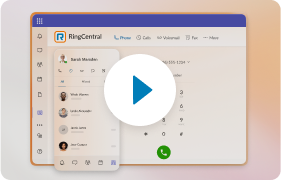
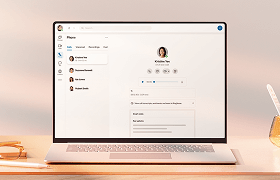
Customer Engagement Bundle is a unified workspace that brings voice and SMS support together with real-time call queue management and insight. It helps organizations reduce missed calls, accelerate response times, and gain visibility into every interaction, making it easier to improve the patient experience over time.
With most patients unwilling to wait more than two minutes on the phone, and 63% reporting that their provider’s digital tools fail to meet expectations, the need for a simpler, more reliable communications solution is clear. Here’s how Customer Engagement Bundle, along with AI Receptionist (AIR) and AI Conversation Expert (ACE), supports organizations across key patient touchpoints.
- Call Queues Booster: This booster turns hold time into a better experience for every patient. It keeps them informed of their place in line with queue position and estimated wait time announcements, reducing uncertainty. It also enables staff to offer automated callbacks, so patients have the option to hang up while keeping their place in line.
- Business SMS Booster: SMS can be a powerful way to reach busy patients, reminding them of appointment reminders, lab results, or even pre/post care instructions. Yet, managing these messages without a unified system can add complexity. The Business SMS Booster centralizes conversations into a shared inbox, giving teams visibility across interactions, preventing missed or duplicate responses, and allowing seamless communication between each member of the care team. Reusable templates streamline common replies for appointment scheduling, prescription refills or pick-ups, and other general inquiries, with built-in scheduling to automatically send appointment reminders and next steps.
- AI Receptionist (AIR): AIR is an AI-powered receptionist solution that serves as your digital front door, answering and handling calls 24/7. It answers up to 100% of calls immediately, eliminating the long wait or hold times that frequently test callers’ patience. Once a patient is on the line, AIR can schedule appointments and resolve routine questions using information from your website or internal knowledge sources, such as sharing clinic hours, locations, or services offered. When human interactions are required, AIR seamlessly routes the caller to the appropriate team member with full details and a call summary to ensure your care team understands and can triage the patient’s needs.
- AI Conversation Expert (ACE): ACE can compliantly analyze up to 100% of patient conversations, enabling healthcare organizations to optimize experiences. It securely captures communications with strict data policies and streamlines next steps to save time for clinical staff. ACE also provides coaching to help staff maintain patient satisfaction, identify process improvement opportunities, and support compliance adherence.
How the right tools improve patient care coordination across every interaction
With the right communication tools in place, healthcare organizations and providers can deliver a more impactful, patient-centered experience, improving quality of care and operational efficiency, particularly when resources are limited.
Patients get the answers and support they need faster, improving satisfaction, appointment adherence, and care-plan adherence. They stay updated throughout each interaction, which helps them feel acknowledged and respected rather than overlooked.
At the same time, clinical and administrative staff save valuable time because they no longer need to monitor every communication channel, answer every inbound call, or scramble to follow up on missed interactions. With scheduled follow-ups, patient engagement is easier, and post-care contraindications can be caught sooner, reducing readmissions. Improved patient coordination and operational efficiencies help care teams focus on more pressing matters, like the well-being of patients.
These improvements reduce barriers to vital care, particularly with patients who may not have easy access to healthcare. With multiple communication methods, clear wait times, and callbacks available, patients know they can engage with your organization the way they prefer. More importantly, they know they can call any time to ask questions that may be vital to their health, building a trusted patient-provider relationship.
How AI is being used in healthcare to understand patient needs
AI tools like AIR and ACE also give providers a clearer understanding of why patients are reaching out and where communication gaps exist, making it easier to refine processes over time.
Consider a typical patient journey. A patient calls a provider and is immediately greeted by AIR, which answers questions about services, hours, and locations before routing them to billing for pricing details. Instead of waiting on hold without context, the patient receives updates on their place in line and expected wait time before connecting with the team. After the call, they can take time to consider their options, and when they’re ready to move forward, they can call back and quickly schedule an appointment, even after hours.
Ahead of the visit, the provider’s team sends an appointment reminder confirmation with pre-care instructions via SMS, automatically triggered through integration with the provider’s scheduling system. When the patient responds, staff review the message in a shared inbox and offer timely, accurate responses. They also identify a gap in earlier communications and proactively follow up to ensure the patient is fully prepared. By the time the patient arrives, they feel informed and confident in their care experience.
With RingEX, the team can even provide care remotely through video, connect to remote patient monitoring solutions, and implement ambient-listening for in-clinic consultations to ensure every interaction is securely and compliantly logged and recorded.
Post-visit, ACE provides a full summary of calls and interactions, helping the care review team identify potential opportunities for improving communications, potential risks (such as the earlier miscommunication or improperly sharing PHI) and training opportunities, and even active trends (for example, quickly identifying an increase in calls discussing flu-like symptoms).
This is what modern patient communication looks like: connected, responsive, and built to support better care at every step.
Originally published Apr 14, 2026