AI Communications






A comparison of the leading platforms for detecting churn signals, engaging at-risk accounts, and building lasting customer relationships.
Many organizations spend the bulk of their budget acquiring customers. But that math is expensive. Keeping a customer costs a fraction of winning a new one, and the customers most likely to leave are already signaling their intent in support conversations, usage patterns, and survey scores that go unread.
This guide covers conversation intelligence, customer success platforms, CRM-native tools, and experience management tools that actually drive customer retention.
Key takeaways
- Retention software falls into distinct categories: conversation intelligence, customer success platforms, and engagement automation.
- The best tools detect churn signals before a cancellation request arrives; real-time sentiment and behavioral data are the inputs that enable proactive retention.
- Integration depth matters as much as features, because a retention platform that can’t connect to your tech stack creates data silos, not insights.
- RingCentral’s AI Conversation Expert (ACE) and Customer Engagement Bundle surface churn signals from 100% of customer conversations and turn them into proactive outreach.
What is customer retention software?
Customer retention software identifies at-risk customers, explains why they might leave, and automates action before churn happens. That action takes multiple forms:
- Automated engagement triggered by a risk score
- Customer success manager alerts based on dropping product usage
- Outbound messages to customers whose support interactions have turned negative
How it differs from a CRM
A CRM tracks the relationship: contacts, sales history, and contracts. Retention software monitors the health of that relationship and triggers action when signals point toward churn. A CRM records a customer’s renewal date. Retention software flags accounts two months before renewal if logins have dropped or recent support interactions scored low on sentiment.
The tools in this list cover five categories: conversation intelligence, customer success platforms, CRM-native retention features, customer experience software, and proactive engagement platforms.
8 customer retention software tools
These retention tools span the categories you need to cover when building or upgrading a retention stack.
| Tool | Category | Primary use case | Key capability |
|---|---|---|---|
| RingCentral (ACE + CEB) | Conversation intelligence + engagement | Churn signal detection across 100% of customer conversations | Real-time sentiment, churn flag scoring, proactive outreach automation |
| Gainsight | Customer success platform | CSM-led accounts, B2B SaaS retention | Health scoring, CSM workflows, in-app engagement |
| ChurnZero | Customer success platform | High-volume SaaS accounts, scaled customer service teams | Real-time churn score, automated playbooks |
| HubSpot | CRM-native | SMB to mid-market all-in-one | CRM + email + NPS + support in one system |
| Zendesk | Support-led retention | Volume-heavy support operations | Ticketing, CSAT, messaging, AI agent assist |
| Qualtrics XM | Experience management | Enterprise NPS and experience data | Survey, feedback analysis, closed-loop action |
| Totango | Customer success platform | Usage-driven SaaS retention | Product usage monitoring, segment-level health |
| Intercom | Customer messaging | Proactive engagement, in-app messaging | Lifecycle messaging, chatbot, help center |
1. RingCentral AI Conversation Expert + Customer Engagement Bundle
RingCentral addresses customer retention through two complementary products: AI Conversation Expert (ACE) and the Customer Engagement Bundle (CEB). ACE analyzes 100% of customer interactions to surface customer insights and sentiment shifts before they become cancellations. CEB reduces the service friction that drives customers away in the first place through shared inboxes, call queue management, and callback options that improve the inbound experience across every touchpoint.
Most retention tools run on CRM data and survey responses. ACE works on actual conversation data: the calls, chats, and messages where customers signal frustration or intent to leave in real time. Where other platforms sample interactions, ACE analyzes every one by scoring sentiment and risk across full interaction volume, then surfacing the accounts that need attention.
CEB operates on the inbound side, where the queue experience, response times, and message handling either build or erode customer trust. A shared SMS inbox means every message gets seen, routed, and answered, not just the ones from flagged accounts. SMS-ready templates reduce errors and standardize outgoing responses, so teams reply faster and more consistently. Automated callbacks and queue position announcements reduce the hold time and uncertainty that push customers toward competitors before a service issue ever registers as a churn risk.
Used together, ACE and CEB close the loop: one identifies where customers are struggling, the other keeps the service experience from creating those struggles to begin with.
ACE key features:
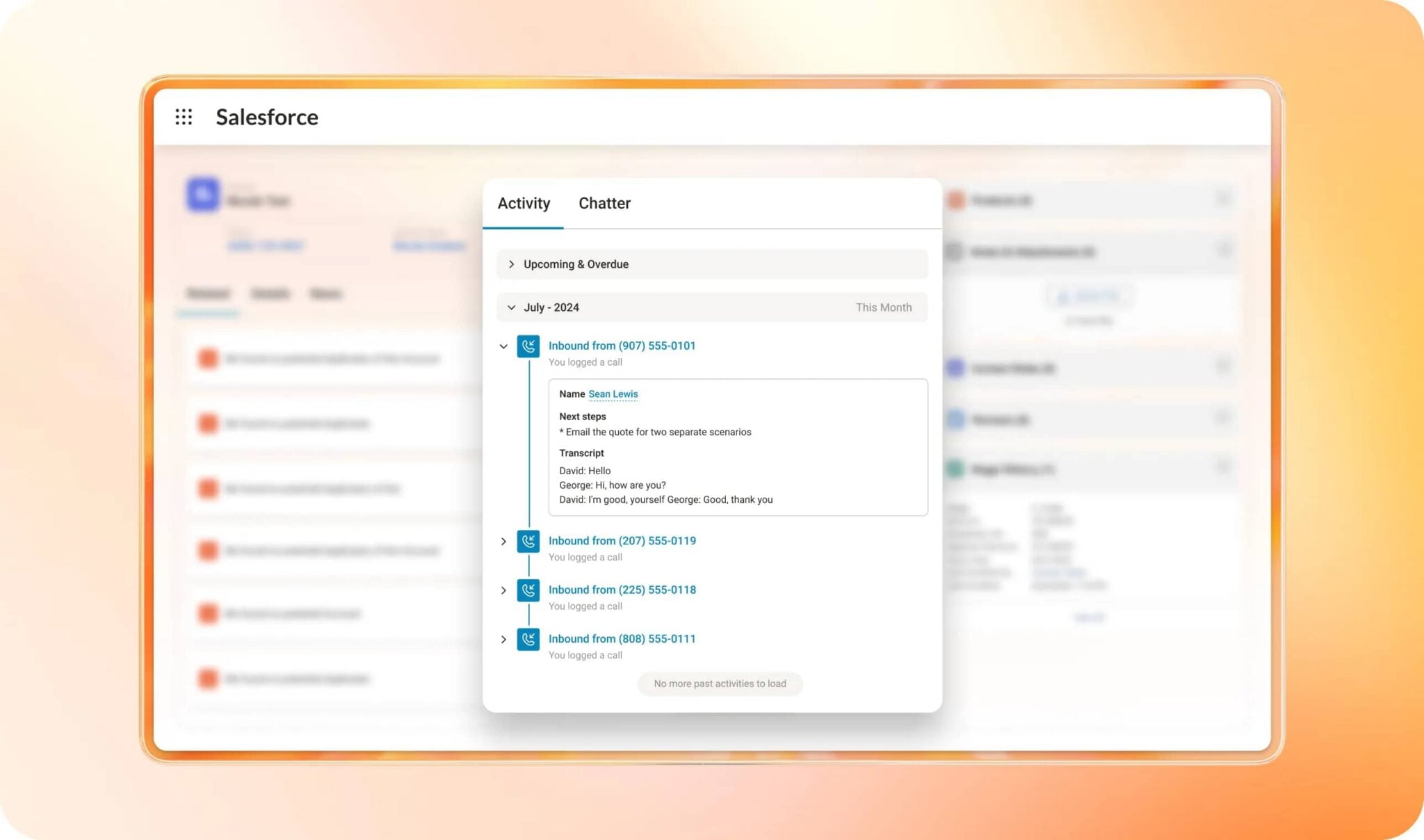
- Full interaction coverage: Catch churn signals across 100% of conversations and update CRMs with conversation data.
- Customer insight tracking: Identify what topics, concerns, and competitor mentions surface across customer conversations.
- Automated interaction summaries: Every conversation produces a structured record of what happened and what’s next, no manual documentation required.
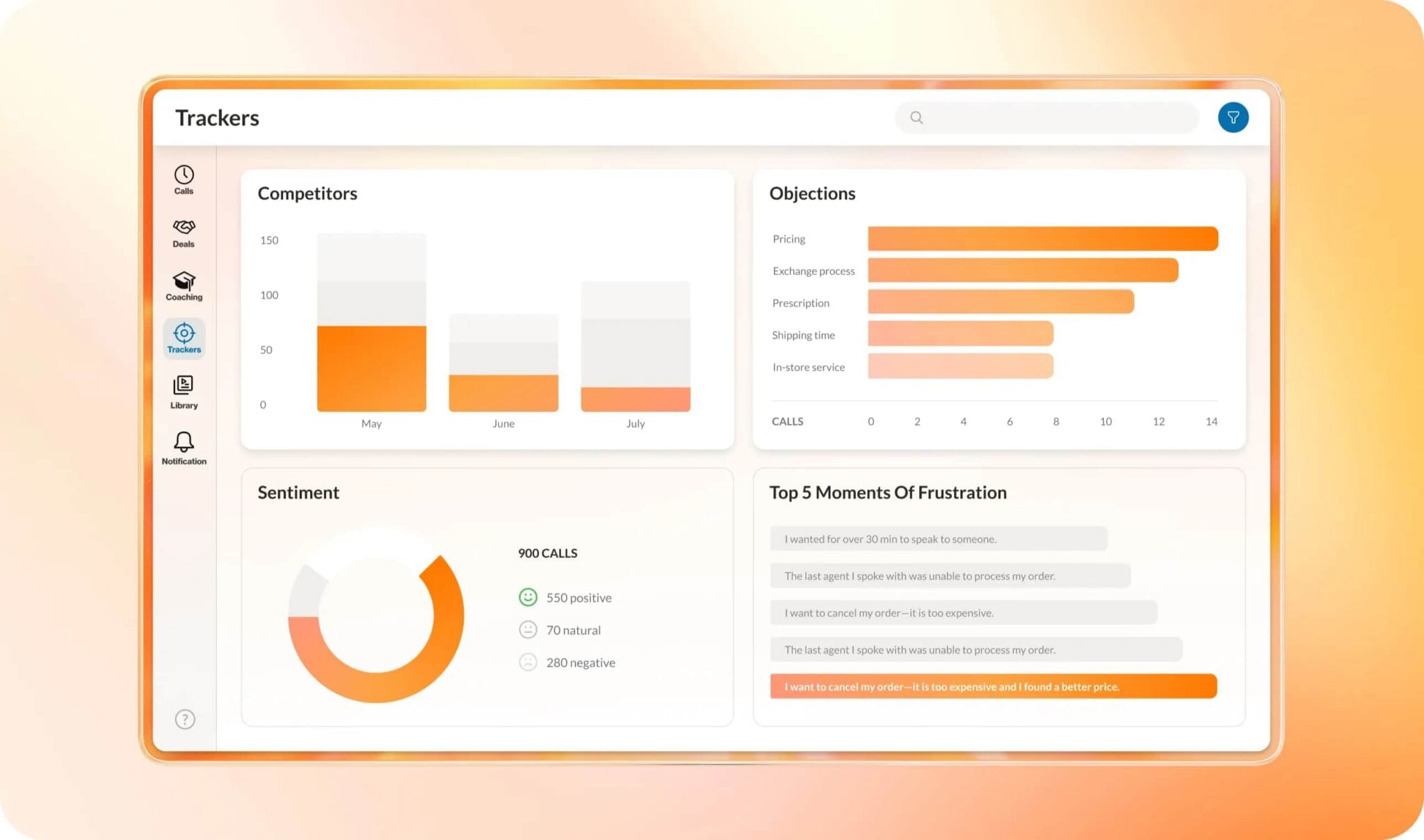
- Performance trend analysis: Give managers the data to spot patterns across teams and accounts before those patterns become cancellations.

CEB key features:
- Shared SMS inbox: Every team member sees every customer message—no missed texts, duplicate responses, or gaps in the thread.
- Automated callbacks: Customers keep their place in line without staying on hold, reducing the abandonment and frustration that quietly drives churn.
- Queue position announcements: Callers know their wait time and position, so they stay on the line rather than hang up and call a competitor.
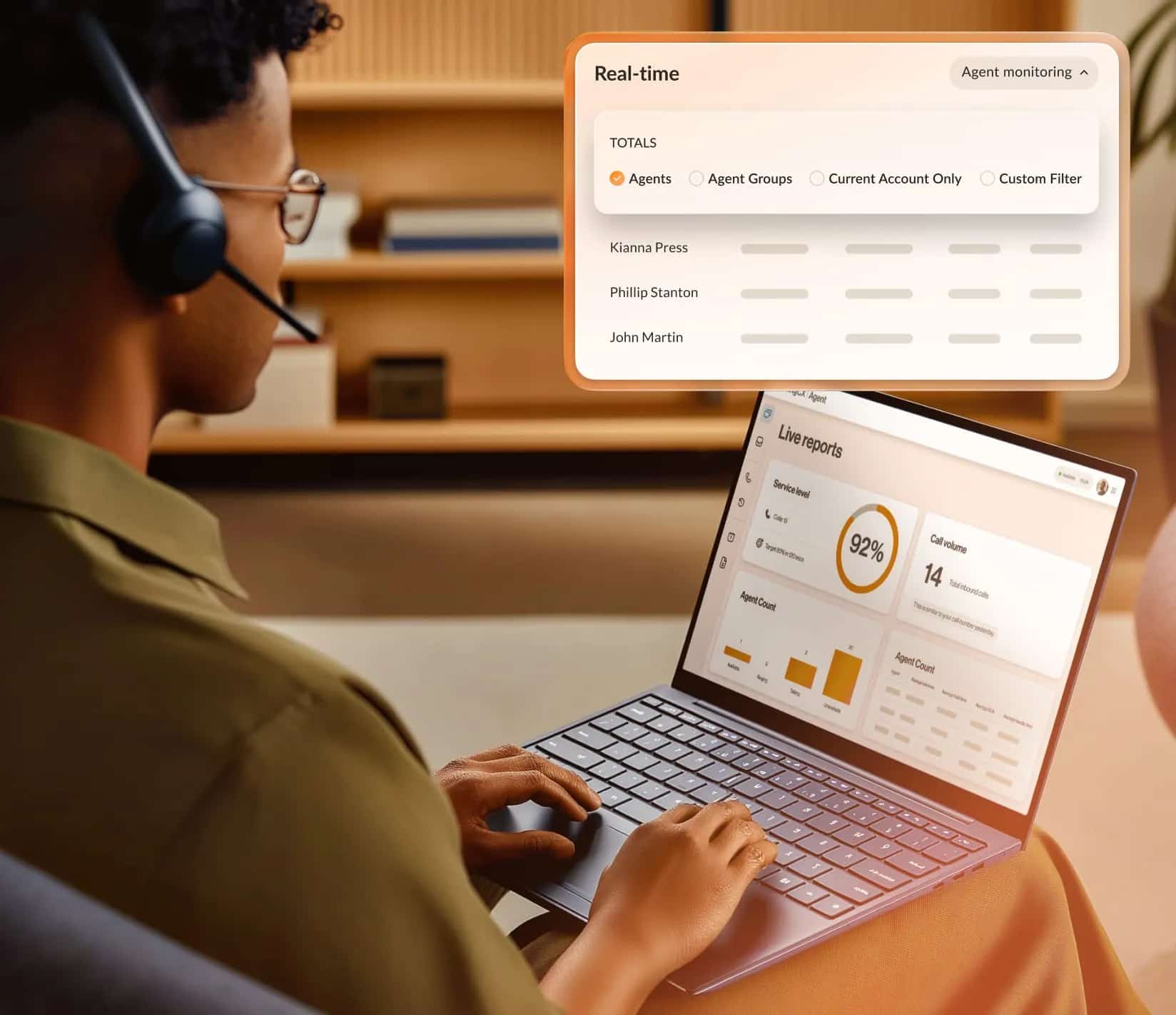
- Live Reports: Supervisors catch queue backlogs and service issues in real time before they reach the customer and register as a negative interaction.
2. Gainsight
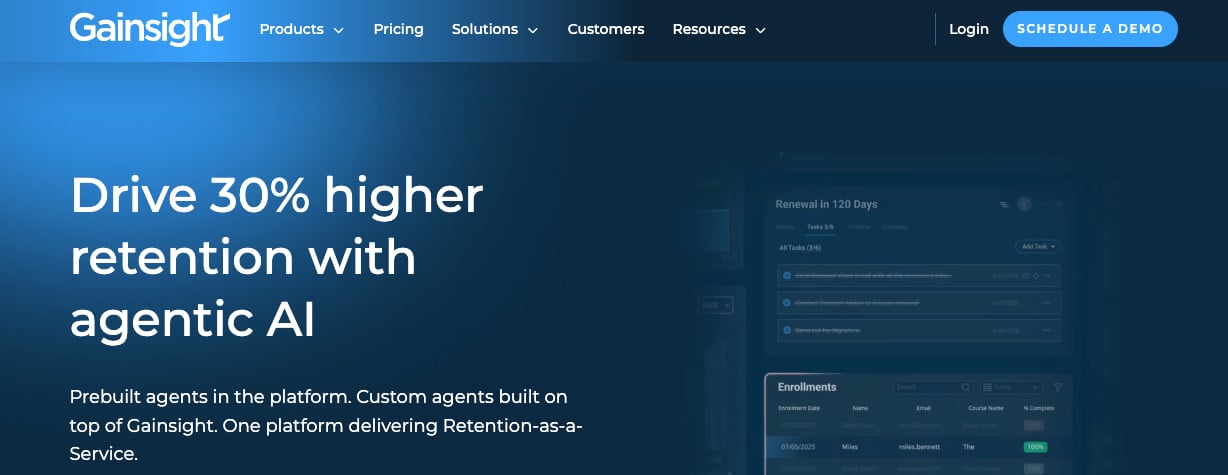
Gainsight is the market leader in customer success platform software. It’s built for B2B teams managing named accounts through a dedicated customer success manager (CSM).
The platform aggregates product usage, support ticket volume, Net Promoter Score responses, and contract data into account-level risk scores. CSMs work from these scores daily. Playbook automation and workflow tools cut the manual overhead of managing large account portfolios, so your team spends less time triaging and more time acting on accounts that need attention.
Gainsight works best if a dedicated CSM owns the customer relationship end to end. If your organization doesn’t have mature customer success operations or an established CSM layer, the implementation is substantial, and time-to-value is slower than other platforms on this list. For high-volume, low-touch customer bases, it’s likely overkill.
3. ChurnZero
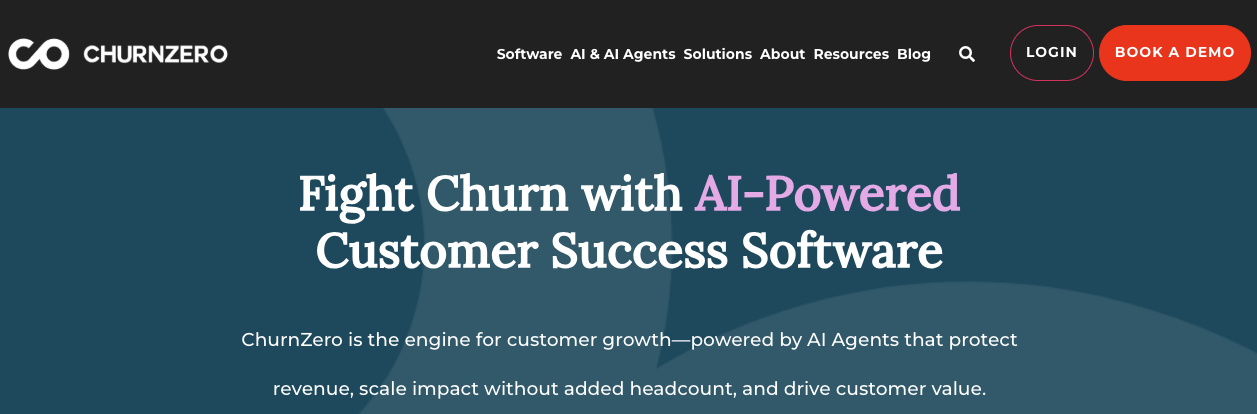
ChurnZero is a customer success platform designed for SaaS businesses with recurring revenue models and a customer service team actively managing accounts.
Its real-time churn scores update as customer behavior analytics change, including usage drops, support volume spikes, and login frequency, all of which factor into the risk calculation. The platform uses churn prediction to automate playbooks that trigger when accounts cross defined risk thresholds, so teams can act without manually monitoring every account.
The interface is purpose-built for customer service teams, which reduces adoption friction. ChurnZero’s health model is less differentiated for businesses where customer health doesn’t live in product usage data. If retention drivers are relationship-based, or the customer base doesn’t interact with a measurable digital product, the core health model has less to work with.
4. HubSpot
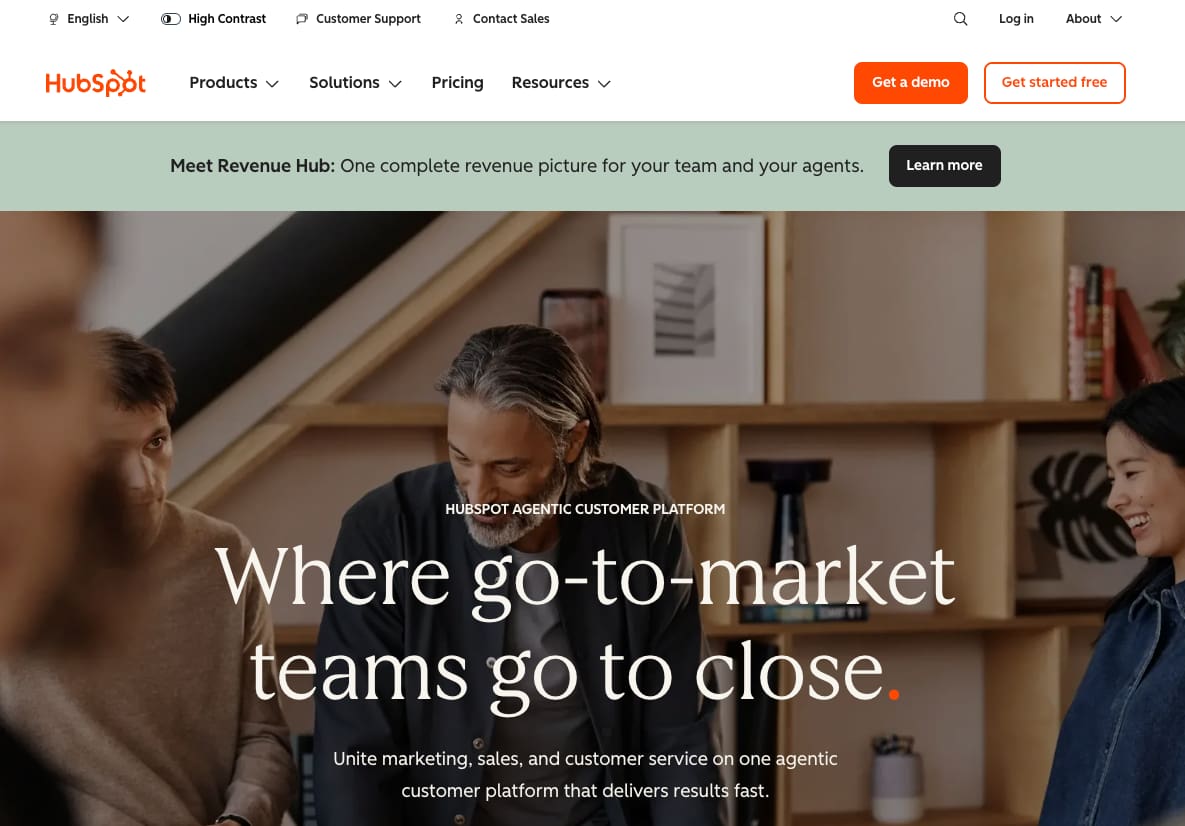
HubSpot bundles CRM, marketing automation, customer support ticketing, and NPS surveying into a single platform. For teams that want retention capabilities without adding a standalone customer service tool, the all-in-one model is the primary appeal.
The trade-off is depth. NPS and email automation cover the basics of a retention workflow, but HubSpot wasn’t built as a customer success platform. Organizations managing complex, high-value B2B accounts, where health scoring, CSM workflows, and playbook automation matter, will find it less capable than purpose-built retention tools.
5. Zendesk

Zendesk addresses retention through support operations, delivering omnichannel support across email, chat, voice, and social. It surfaces customer satisfaction scores, ticket resolution time, and repeat contact rates through its built-in analytics and reporting tool. AI agent assist and conversation threading features help teams resolve issues faster.
For organizations where poor support experience drives churn, Zendesk offers broad channel coverage, built-in AI assist for agents, and detailed reporting on support volume and resolution quality.
One limitation is that Zendesk surfaces problems after customers contact you. It doesn’t flag at-risk accounts before they reach out, or support proactive outreach. If early churn detection and prevention are priorities for your retention strategy, you’ll need additional tools alongside Zendesk.
6. Qualtrics XM
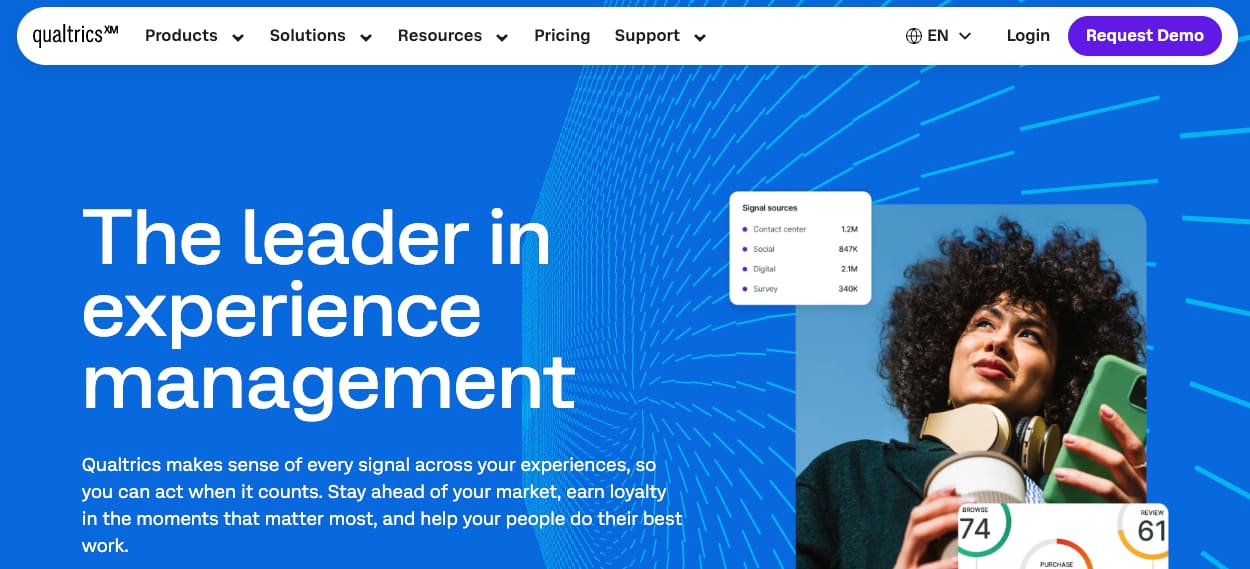
Qualtrics is an enterprise experience management platform built around structured customer feedback. NPS, CSAT, and customer effort score (CES) surveys are analyzed at scale with statistical rigor, and closed-loop workflow tools route low-score responses to the right team for follow-up.
For organizations that need to understand why customers churn in aggregate, or close the loop with specific accounts after a negative experience, Qualtrics provides infrastructure that most retention tools don’t match.
Connecting survey data to real-time retention action requires significant setup. Qualtrics works well as an insight layer: it tells you what’s driving attrition and which accounts to prioritize. Translating that into day-to-day retention operations requires additional tooling, which is worth factoring into the evaluation.
7. Totango
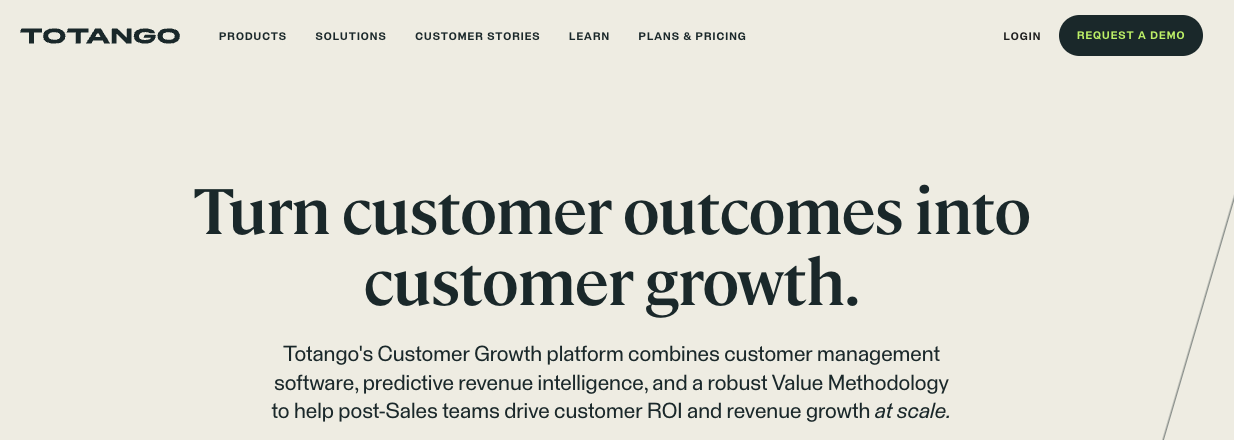
Totango tracks product usage data to score customer health, built for product-led businesses where how often and how deeply customers use the product predicts renewal.
Its customer segmentation capabilities let customer service teams run different retention strategies across customer tiers without manually reviewing every account. Visual tools like heatmaps show where engagement is dropping. The segment-level health model scales well as account volume grows.
Totango is built around the assumption that customers interact with a measurable digital product. Businesses where retention drivers are relationship-based, or where health signals live in conversations and support tickets rather than session logs, will find the core health model less applicable.
8. Intercom
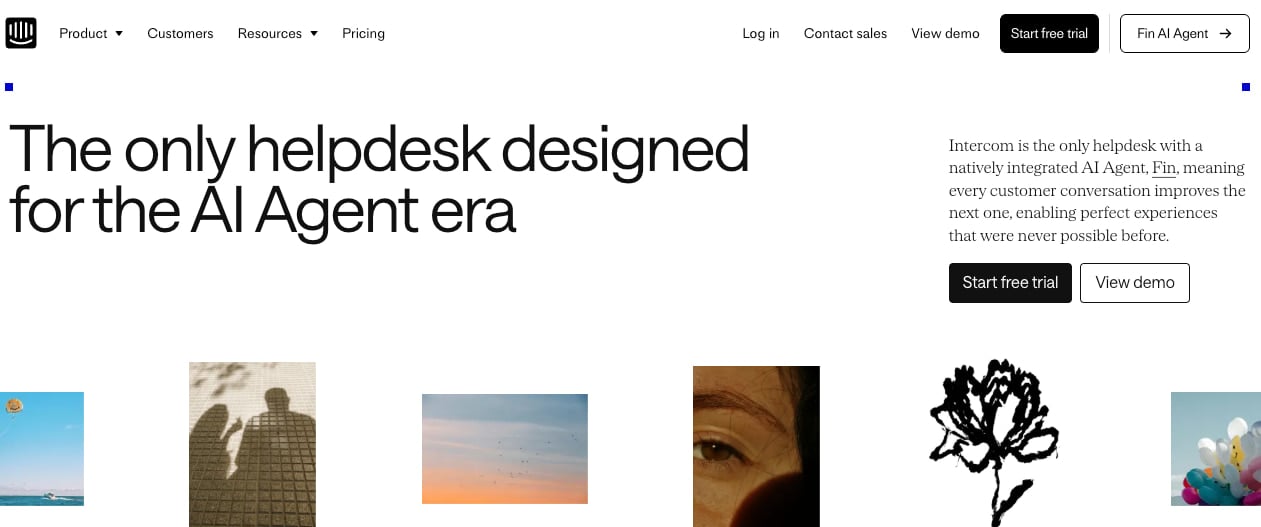
Intercom handles the proactive messaging side of retention: in-app messages, lifecycle email sequences, and chatbot-driven support that surfaces before a customer has to reach out. Its Inbox product manages inbound conversations across chat, email, and social channels, while its Engage product sends outbound lifecycle messaging to targeted segments.
For digital-first, self-serve customer bases where most interaction happens through in-app or web channels, the lifecycle messaging automation is well-developed and doesn’t require a large team to run.
Intercom is built for digital engagement channels. Companies where retention action primarily happens over the phone or through account management will find its core strengths don’t translate as directly.
How to choose the right customer retention software
The right tool depends on where churn actually happens in your customer journey, and whether your team can act on what the tool surfaces. The right questions filter faster than a feature checklist.
Where do customers signal distress: in conversations, in usage patterns, or in survey scores? Does your retention team manage accounts through a CSM model, or work at volume through automated outreach? Does the tool connect to the systems your team already works in?
Match the tool to where your churn signals live
The category of tool should follow the source of your churn data.
- Conversation-heavy operations: Contact centers and phone-based support teams need customer support tools that analyze interaction data. ACE and CEB, or dedicated conversation intelligence platforms, address this gap.
- Product-led businesses: Companies where usage data predicts renewal should prioritize customer success platforms where health scoring runs on behavioral product data.
- Survey-reliant organizations: Teams building retention strategy from structured feedback need a platform with closed-loop survey infrastructure and analytical rigor to back it up.
- Most mid-market and enterprise businesses: Coverage across all three categories is usually necessary, which is why retention stacks rather than single tools are the norm at scale.
Evaluate on integration depth, not just feature lists
Retention software that doesn’t integrate with your CRM, contact center, or product analytics fragments your customer data across disconnected systems. The core function is tracking health scores, identifying at-risk accounts, and automating outreach. None of that works without access to where health data actually lives.
Before evaluating dashboards, evaluate integrations. A platform with a polished interface and weak integration capabilities will leave your team switching between systems to act on what the tool surfaces. That friction kills follow-through, and follow-through is the whole point.
Start with the signals your customers are already sending
Customers who are about to churn almost always send signals first—they have warning signs in their conversations, usage patterns, and support tickets. Retention software surfaces those signals and gives your team lead time to act.
Choose the tool that reads the signals your customers are actually sending. For contact-center operations, that signal lives in every conversation. For product-led businesses, it lives in session data. For survey-driven teams, it lives in low-score responses.
Build your stack around where those signals live. Measure on lead time, not lagging indicators. Make sure whatever you choose connects to the systems your team already works in. For a broader look at customer engagement strategies that complement a retention stack, that’s a useful next read.
See how RingCentral’s ACE and Customer Engagement Bundle detect churn signals and automate proactive retention outreach.
Frequently asked questions about customer retention software
What is the difference between customer retention software and a CRM?
A CRM tracks contacts, deal history, and communication logs. Retention software monitors the health of that relationship and triggers action when signals point toward churn. Integration between them is essential because your retention tool needs access to the data your CRM holds.
What types of customer retention software exist?
Most enterprise retention stacks include tools from multiple categories.
These include conversation intelligence platforms that analyze interaction data, customer success platforms that score account health, CRM-native tools that bundle retention workflows, experience management platforms that surface survey feedback, and proactive engagement tools for lifecycle messaging.
How does customer retention software detect churn risk?
The detection method depends on the platform category.
- Customer success platforms aggregate product usage, support, and NPS data into health scores.
- Conversation intelligence platforms analyze interaction content for sentiment shifts and complaints.
- Experience management platforms detect risk through survey responses.
Comprehensive stacks combine multiple detection methods.
Can customer retention software work for B2B businesses?
Yes. Most established retention platforms are purpose-built for B2B. Gainsight, ChurnZero, and Totango are designed for B2B SaaS with account health scoring and CSM workflows. RingCentral’s ACE and CEB work for any business with contact center or phone support. B2B typically involves high-value accounts rather than high-volume individual customers.
Originally published Jul 01, 2026