AI Communications








Learn how to build a medical call center that handles high volumes, stays HIPAA-compliant, and delivers consistent patient experiences at scale.
Healthcare organizations often struggle to match staffing levels with call volume, especially during peak periods. The result is predictable: patients wait, abandon calls, and switch providers. Even a modest abandonment rate can mean hundreds of lost patient contacts each day.
When you factor in the average revenue value per patient, that translates to significant daily revenue exposure, and that’s not counting the downstream cost of lost loyalty. The problem is that most medical call centers weren’t built to handle the full scope of what patients need, across every channel, at every hour, with the compliance controls that healthcare demands.
This article covers what a medical call center does, the use cases it supports, the Health Insurance Portability and Accountability Act (HIPAA) compliance requirements it must meet, the metrics that predict performance, and the platform decisions that determine whether the operation scales or stalls.
Key takeaways
- Medical call centers must cover multiple distinct use cases, each with different routing and compliance requirements
- HIPAA compliance applies to every platform, vendor, and business associate that touches protected health information (PHI)
- The right contact center platform reduces fragmentation, automates quality assurance (QA), and gives supervisors visibility into 100% of interactions
- Outsourced and in-house models each carry distinct cost and control tradeoffs—the right choice depends on volume, complexity, and internal capacity
What a medical call center does (and why it’s more complex than a standard contact center)
A medical call center is a dedicated patient communication operation that manages inbound and outbound interactions across voice, SMS, chat, and other digital channels on behalf of healthcare organizations. That includes hospitals, health systems, multi-specialty practices, health plans, and federally qualified health centers (FQHCs).
Medical call centers handle a wider range of interaction types than any general contact center, and each interaction type carries different urgency levels, compliance requirements, and routing logic. A billing question and a nurse triage call both arrive on the same phone line, but they require entirely different handling.
What separates a medical call center from a general contact center is the infrastructure underneath. Medical call centers require HIPAA-compliant technology, clinical escalation protocols, electronic health record (EHR) integration, and agents trained on medical terminology and patient sensitivity. Customer service scripts don’t cover what happens when a caller describes symptoms or asks about a prescription interaction.
The performance gap reflects this complexity. Industry sources report average healthcare call-center wait times commonly in the 4.4-minute range, which exceeds HFMA-referenced targets (often cited around 50 seconds for average hold time). That gap doesn’t close with more agents alone. It requires smarter routing, better technology, and the right platform architecture.
Who operates medical call centers?
Four primary operator types run medical call centers.
- Hospital systems and health networks operate large-scale patient communication centers that handle everything from appointment scheduling to post-discharge follow-up.
- Independent medical practices and multi-location groups typically run smaller operations but face the same compliance and routing requirements.
- Health insurance plans and managed care organizations handle member services, eligibility verification, and care coordination at high volume.
- Outsourced healthcare contact center service providers operate on behalf of one or more healthcare clients, managing patient interactions under contract.
Regardless of operator type, the platform requirements stay consistent. HIPAA compliance, EHR integration, intelligent routing, and omnichannel coverage are non-negotiable across all models. The operator type changes who manages the operation, not what the operation needs to function.
5 core use cases for medical call centers
Healthcare contact centers operate under pressure that most industries don’t face. When a patient calls to schedule an appointment, get a prescription refilled, or understand a billing statement, slow or misdirected service becomes a care problem.
These are the use cases where purpose-built medical call center technology delivers the most measurable operational impact.
1. Appointment scheduling and referral coordination
Scheduling is the highest-volume pressure point for most healthcare contact centers. When patients can’t get through quickly or reach the right team, they abandon calls, and sometimes abandon care entirely.
Skills-based routing connects patients to the right scheduling queue immediately, whether that’s primary care, a specialty clinic, or a referral coordinator. Running digital channels alongside voice means patients can confirm or reschedule via SMS or web chat without requiring a phone agent. The result: lower call volume, faster resolutions, and agents who aren’t manually managing four different queues.
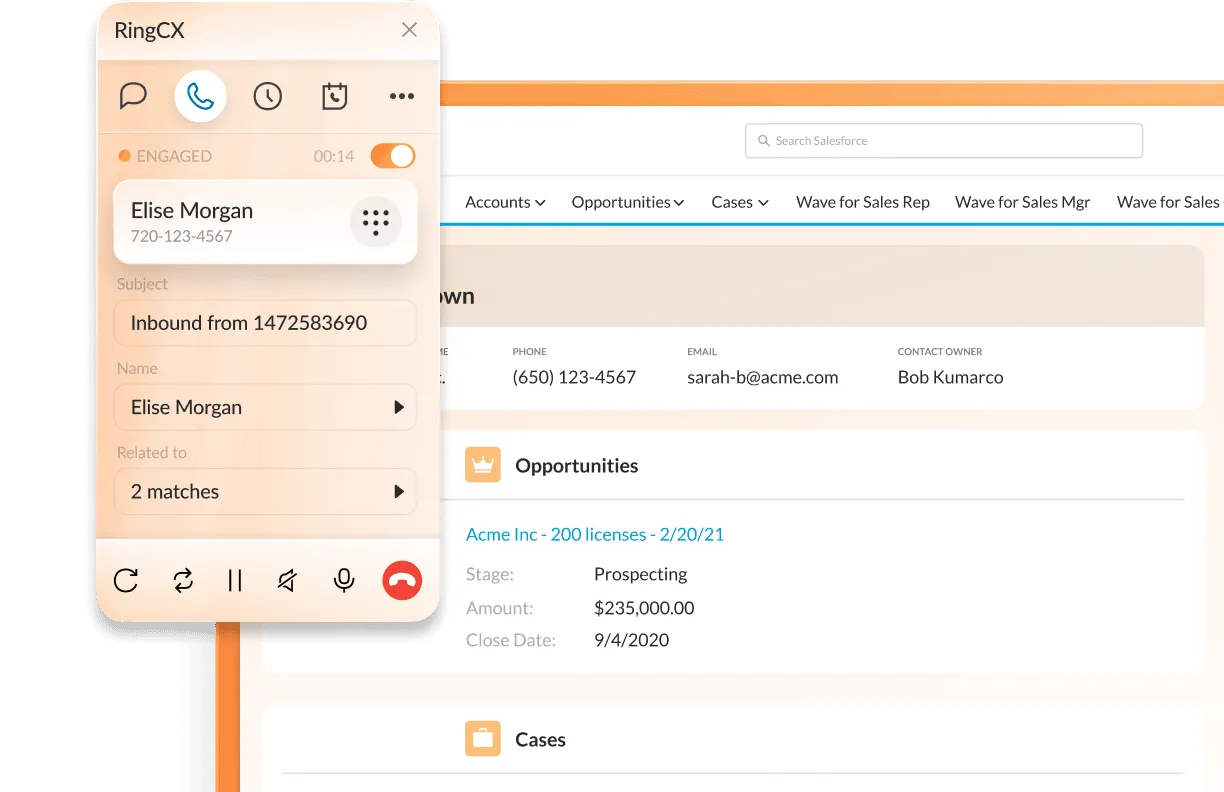
For example, RingCX handles voice routing and digital channels in one platform, so scheduling teams work from a single queue instead of toggling between systems.
2. Nurse triage and after-hours lines
After-hours triage can’t run on next-agent-available logic. It needs routing that accounts for urgency, patient type, and which clinical staff are available.
RingCX supports IVR configurations that segment callers before routing, by symptom category, established-patient status, or escalation priority. That reduces the burden on on-call nurses and keeps escalation paths functional when volume spikes.
Interaction analytics surface call patterns over time, giving clinical operations teams the data they need to optimize staffing for predictable high-demand windows like flu season.
3. Billing and insurance inquiries
Billing calls are often the highest-friction interaction a patient has with a health system. Callers are confused, sometimes frustrated, and rarely have all the account details an agent needs up front.
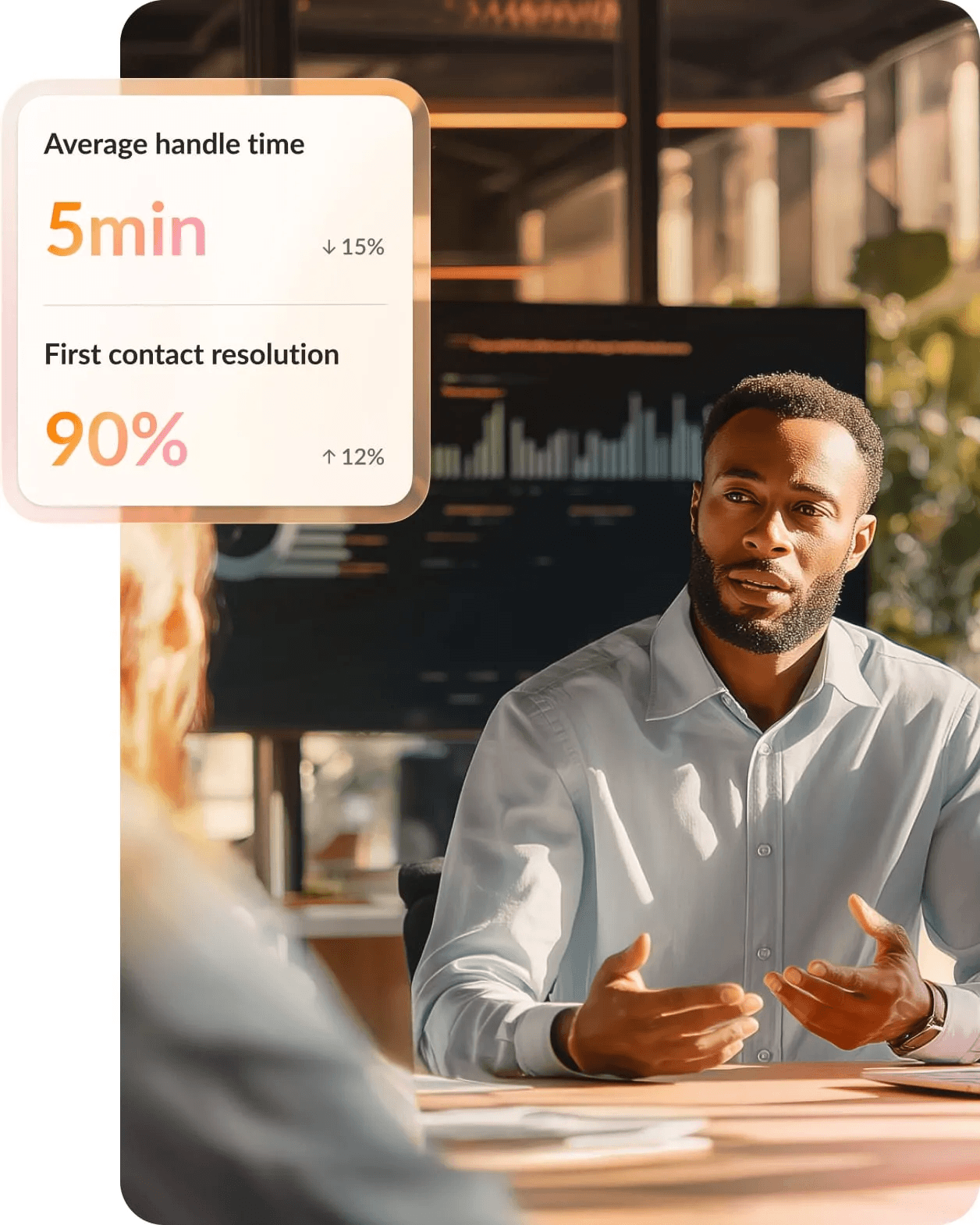
RingCX’s AVA Agent Assist surfaces relevant information during the live call, so agents spend less time navigating systems and more time resolving issues. The built-in AI Quality Management tool flags calls where patient frustration signals appear, giving supervisors a clear view of coaching opportunities before issues escalate to formal complaints.
4. Prescription refill and pharmacy coordination
High-frequency, low-complexity interactions like refill requests are strong candidates for automation. Intelligent virtual agents can:
- Collect refill details and verify patient identity
- Route exceptions to a live agent only when required
- Keep pharmacists and coordinators available for clinical questions
For health systems managing pharmacy coordination across multiple facilities, RingCX’s unified reporting tracks volume and resolution rates across all locations from a single dashboard, with no manual aggregation required.
5. Patient outreach and care gap closure
Outbound programs for preventive care reminders, chronic disease management follow-ups, and post-discharge check-ins need the same operational rigor as inbound support. Without it, patient engagement rates are unreliable, and outcomes go undocumented.
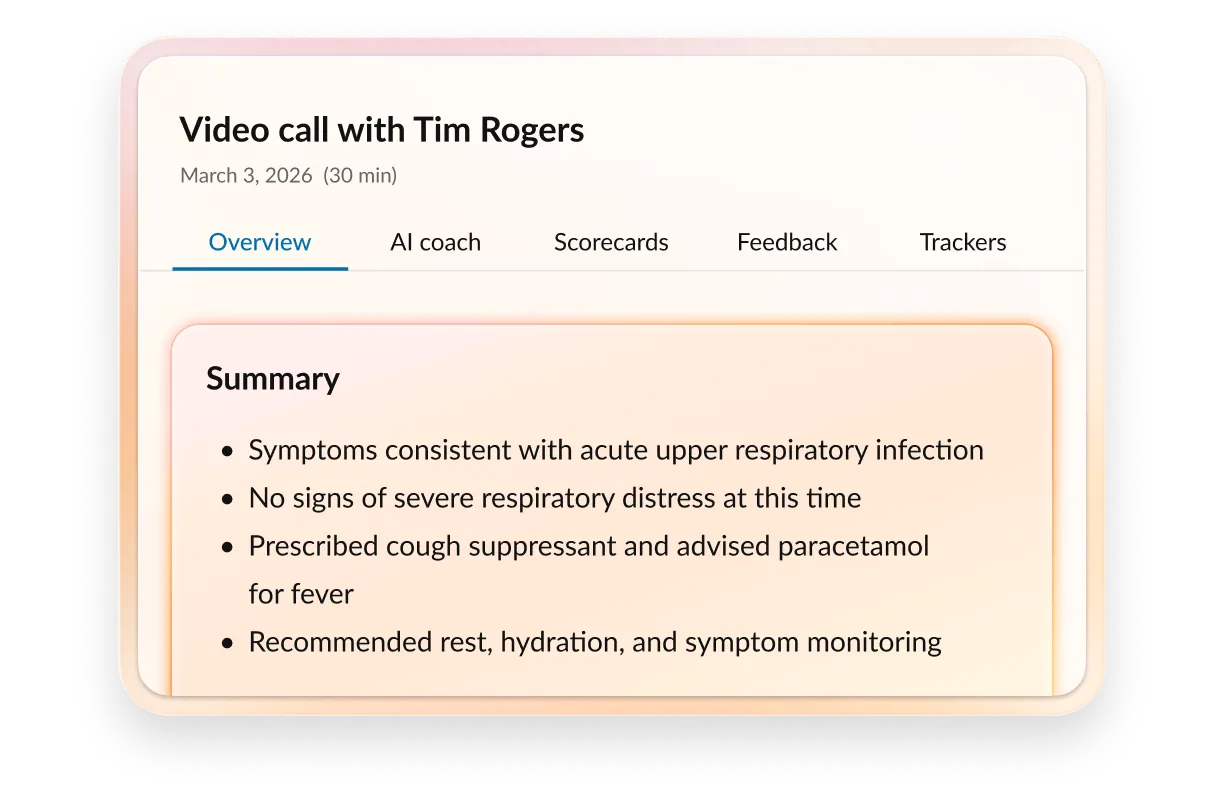
When connected with your EHR and population health management (PHM) platforms, RingCX outbound campaign tools let care coordination teams:
- Manage call lists and track contact rates in one place
- Document interaction outcomes without parallel tracking in a separate system
- Connect outbound activity to inbound history for a complete patient communication record
That complete view supports population health reporting and gives payers cleaner documentation of care quality—two outcomes that matter well beyond the contact center.
HIPAA compliance requirements every medical call center must meet
Every vendor, platform, and business associate that handles PHI is legally liable under HIPAA. That liability doesn’t rest with the healthcare organization alone. It extends to every system, service provider, and software platform that touches patient data in any form.
A medical call center is classified as a business associate (BA) under HIPAA. That classification carries specific legal obligations. The call center must sign a Business Associate Agreement (BAA) before any PHI can be shared. It must comply with the HIPAA Privacy Rule, the Security Rule, and the Breach Notification Rule. Those aren’t optional standards; they’re the legal floor.
The compliance requirements for any medical call center include:
- Signed BAA with every vendor and platform that touches PHI
- Identity verification protocols on every call before PHI is disclosed
- End-to-end encryption for all PHI in transit and at rest
- Role-based access controls limiting PHI access to authorized agents only
- Comprehensive audit logging and incident response procedures
- Documented, ongoing agent training on HIPAA policies and procedures
- Secure call recording with access controls and retention policies
HIPAA compliance extends to the contact center software platform itself. The platform must support HIPAA-ready architecture, not just the agents using it. A platform that doesn’t support BAA execution, encrypted storage, or audit logging creates compliance exposure regardless of how well-trained the agents are.
Non-compliance exposes both the call center and the healthcare organization to civil penalties from the U.S. Department of Health and Human Services (HHS) Office for Civil Rights. That risk makes platform selection a compliance decision, not just a technology decision.
Medical call center metrics that predict performance
Most medical call centers track efficiency metrics: handle time, call volume, and calls per hour. Those numbers are easy to collect, but they have almost no correlation to the outcomes that matter most: patient retention, revenue conversion, and care completion. Tracking the wrong metrics means optimizing the wrong things.
The KPIs that actually predict medical call center performance are:
- Average speed of answer (ASA): ASA measures how long patients wait before an agent picks up. Shorter wait times reduce abandonment and improve patient satisfaction. When patients wait too long, they hang up or arrive at their appointment frustrated before the interaction even begins.
- Call abandonment rate: This tracks the percentage of patients who hang up before reaching an agent. Every abandoned call represents a patient who didn’t get help, a potential appointment that won’t be scheduled, and revenue that won’t be captured.
- First call resolution (FCR): FCR tells you whether patients get their issue resolved on the first call. When patients have to call back, it doubles the operational cost, increases patient frustration, and signals a breakdown in either agent training, system access, or routing logic.
- Average handle time (AHT): AHT measures how long agents spend on each call. You need to balance AHT against resolution quality, not minimize it in isolation. A fast call that doesn’t resolve the patient’s issue just drives a callback.
- Patient satisfaction score (PSAT/CSAT): This metric captures how patients rate their call experience. Patients who have negative phone interactions are four times more likely to switch providers. Satisfaction scores give you a leading indicator of retention risk.
- After-call work (ACW) time: ACW tracks the time agents spend documenting and wrapping up after a call ends. It directly impacts agent capacity and throughput. When you reduce ACW through automation, you free agents to handle more volume without sacrificing documentation accuracy.
Tracking these metrics accurately requires a platform that captures 100% of interactions. Sampled data produces sampled insights, and in a high-volume healthcare environment, the interactions that fall outside the sample are often the ones that matter most.
Technology requirements for a high-performing medical call center
Most healthcare organizations run fragmented contact center stacks that create compliance gaps, inconsistent patient experiences, and operational blind spots. The right healthcare call center software architecture eliminates those risks by design.
A high-performing medical call center requires technology that’s built for healthcare’s unique demands. Here’s what you need:
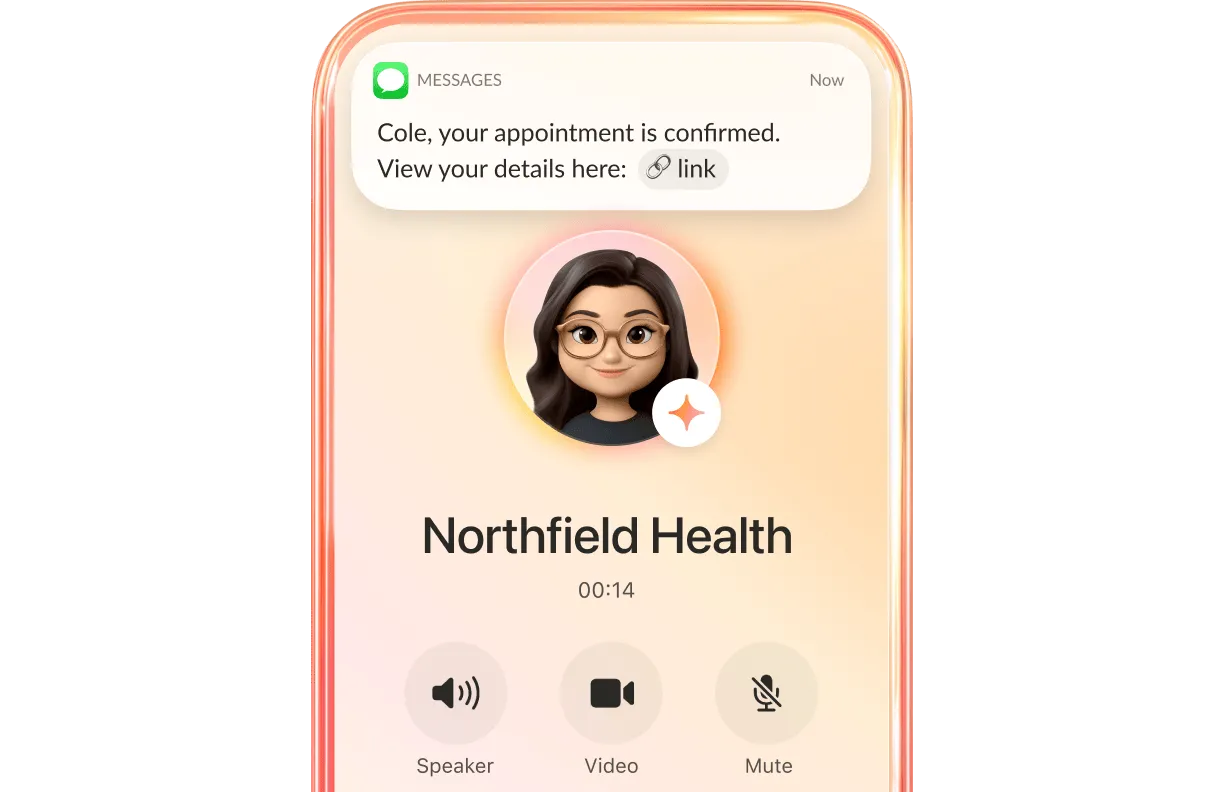
- Intelligent call routing and IVR design: Your routing logic needs to go beyond basic menu trees and route calls based on caller intent, urgency, and patient context pulled directly from your EHR or scheduling system. Intent-based routing connects patients to the right resource faster, reduces abandonment, and handles complex multi-step inquiries without forcing patients through rigid IVR trees.
- Real-time EHR and CRM integration: Real-time integration with EHR and practice management systems separates capable medical call centers from basic answering services. You’ll need support for Fast Healthcare Interoperability Resources (FHIR), Health Level Seven (HL7), RESTful APIs, and secure identity sharing so agents can access appointment scheduling, eligibility verification, and patient record updates during live calls.
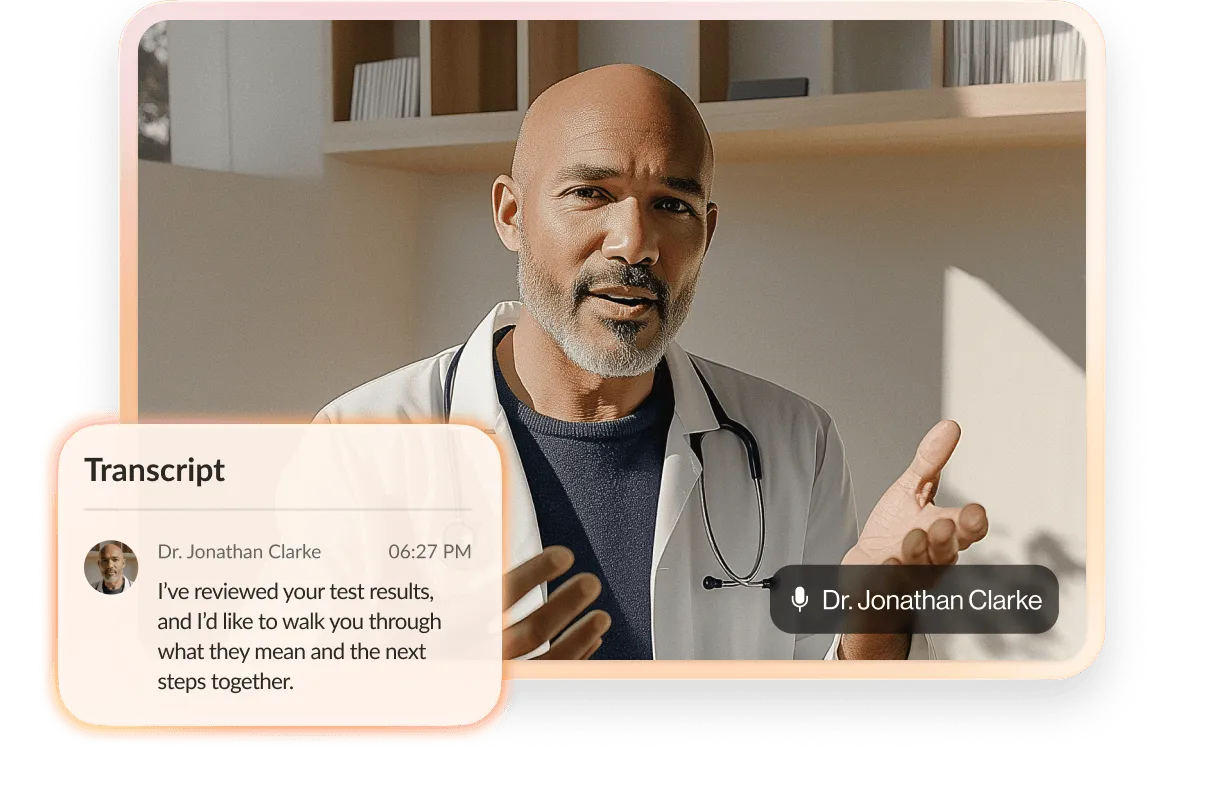
- HIPAA-compliant call recording and storage: Every interaction that touches PHI must be recorded, encrypted, and stored with role-based access controls. Your platform needs to support BAA execution and maintain audit logs that prove compliance at every touchpoint.
- Omnichannel support across voice, SMS, chat, and email: Patients don’t communicate through a single channel, and your call center can’t either. Your platform needs to handle voice, SMS, chat, and email interactions with consistent compliance controls and unified agent workflows across every channel.
- AI-powered quality management and interaction analytics: AI-powered QA automates scoring across 100% of interactions, surfaces trends and coaching insights in real time, and reduces after-call work by automating interaction summaries, giving you full visibility into compliance gaps and performance issues before they become systemic problems.
- Real-time analytics and reporting dashboards: You need visibility into performance metrics as they happen. Real-time dashboards improve healthcare provider collaboration by tracking ASA, abandonment rates, FCR, and agent utilization so they can adjust staffing and routing logic as conditions change.
- Workforce management and scheduling tools: Matching staffing levels to call volume is one of the biggest operational challenges in healthcare contact centers. Your platform should include forecasting, scheduling, and adherence tracking that help you optimize agent capacity without overstaffing during low-volume periods.
In-house vs. outsourced medical call center: how to decide
Most healthcare organizations run in-house call centers. But this model carries high cost and capacity constraints that get harder to sustain as volume grows.
Here’s how an in-house vs. an outsourced call center compares for medical providers:
In-house:
- You maintain full control over HIPAA compliance, agent training, and patient experience standards
- You get direct EHR access and tighter integration with clinical workflows
- You carry higher fixed costs for staffing, training, technology, and facilities
- You find it harder to scale during peak periods without overstaffing
Outsourced:
- You pay lower fixed costs and get variable capacity that scales with volume
- You need rigorous vendor vetting for BAA, HIPAA compliance, and platform security
- You risk inconsistent patient experiences if vendor protocols don’t match your internal standards
- You reduce your internal management burden but limit direct oversight
Your decision often comes down to platform. Whether you run your operation in-house or outsource it, your contact center platform determines compliance coverage, visibility, and scalability.
A fragmented stack creates risk in either model. An outsourced vendor running disconnected tools creates the same blind spots as an in-house team doing the same. The platform is the constant, regardless of who manages your agents.
Build a medical call center that scales without adding risk
Your medical call center’s performance depends on three things working together: the right use-case coverage, HIPAA-compliant infrastructure, and a platform that gives supervisors visibility into every interaction, not just a sample. Get one of those wrong, and the other two can’t compensate.
The data points in this article have direct operational implications. A 7% abandonment rate on 2,000 daily calls means 140 patients didn’t get help. An FCR rate stuck at the industry average of 71% means nearly three in ten patients have to call back. A fragmented stack with 1 to 2% QA coverage means compliance gaps and coaching opportunities go undetected every day. You can solve these problems, but only with the right platform architecture underneath.
RingCentral RingCX gives you that architecture. You’ll get intelligent routing that connects patients to the right resource faster, real-time EHR integration that eliminates context switching, and AI-powered QA that scores 100% of interactions instead of a 1% sample. It’s built for healthcare’s compliance requirements from the ground up, with BAA support, end-to-end encryption, and audit logging that covers every touchpoint.
FAQs about medical call centers
What does a medical call center do?
A medical call center manages inbound and outbound patient communications on behalf of healthcare organizations across voice, SMS, chat, and digital channels.
Core functions include:
- Appointment scheduling
- Insurance verification
- Billing inquiries
- Nurse triage
- After-hours support
- Patient follow-up
Unlike general contact centers, medical call centers require HIPAA-compliant infrastructure, EHR integration, and agents trained on clinical protocols and patient sensitivity.
What technology does a medical call center need?
A fully capable medical call center requires:
- Intelligent call routing
- EHR and CRM integration
- HIPAA-compliant call recording
- Omnichannel support across voice, SMS, chat, and email
- Real-time analytics
- AI-powered QA.
The platform itself must also support BAA execution and end-to-end PHI encryption.
What’s the difference between in-house and outsourced medical call centers?
In-house models give healthcare organizations full control over compliance standards, agent training, and patient experience, but they carry higher fixed costs in staffing, technology, and facilities.
Outsourced models offer variable capacity that scales with volume, but require rigorous vendor vetting, a signed BAA, and clear protocols to maintain consistent patient experiences.
The decision often hinges on volume, complexity, and what the organization can sustainably manage.
What is a good abandonment rate for a medical call center?
A 7% abandonment rate on 2,000 daily calls equals 140 abandoned contacts and up to $45,000 in daily revenue exposure.
Reducing abandonment requires both staffing optimization and intelligent routing. Adding agents without improving routing logic addresses capacity but not the underlying cause of why patients abandon before reaching the right resource.
Originally published May 28, 2026