AI Communications







From Campus Audits to Code Reviews
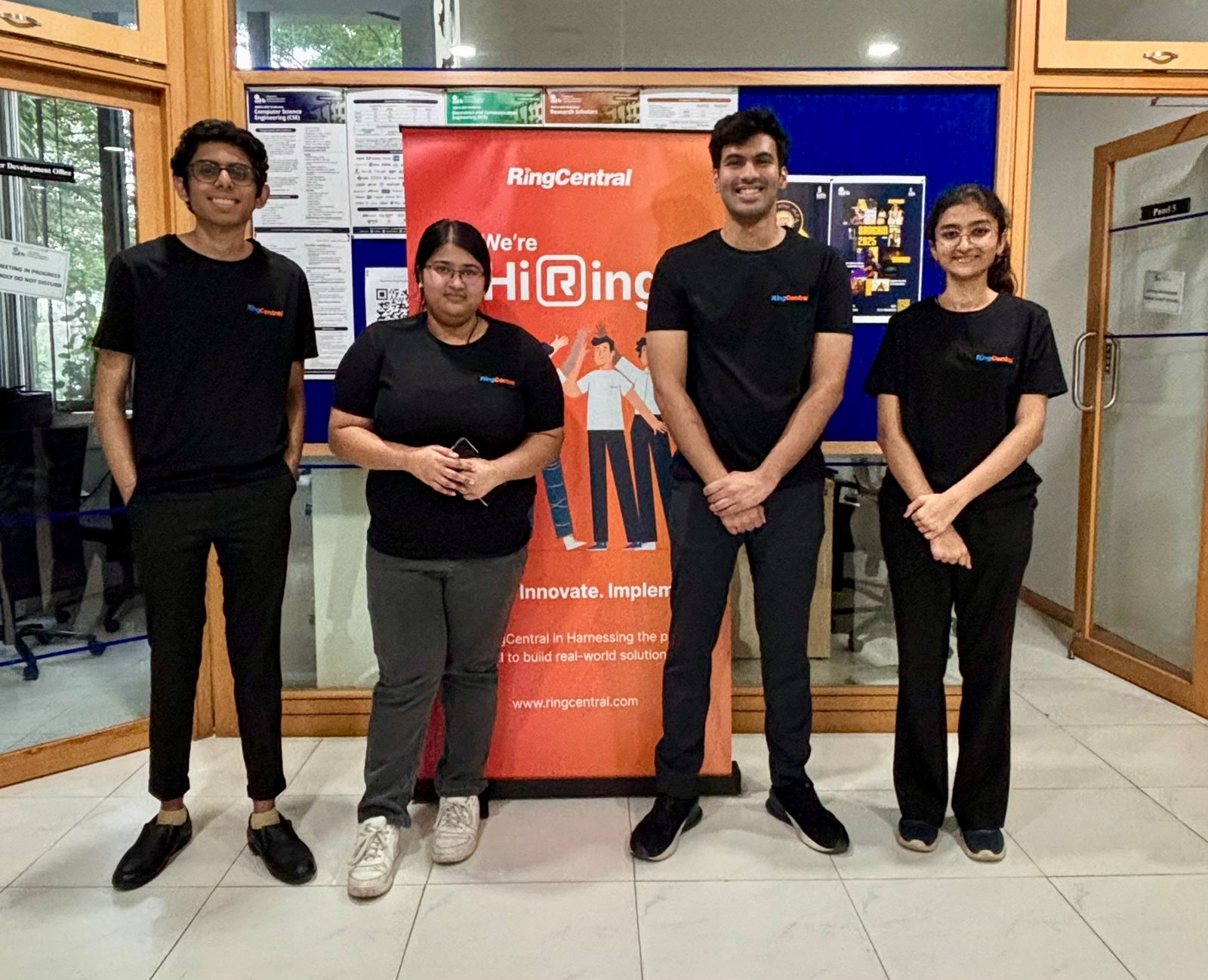
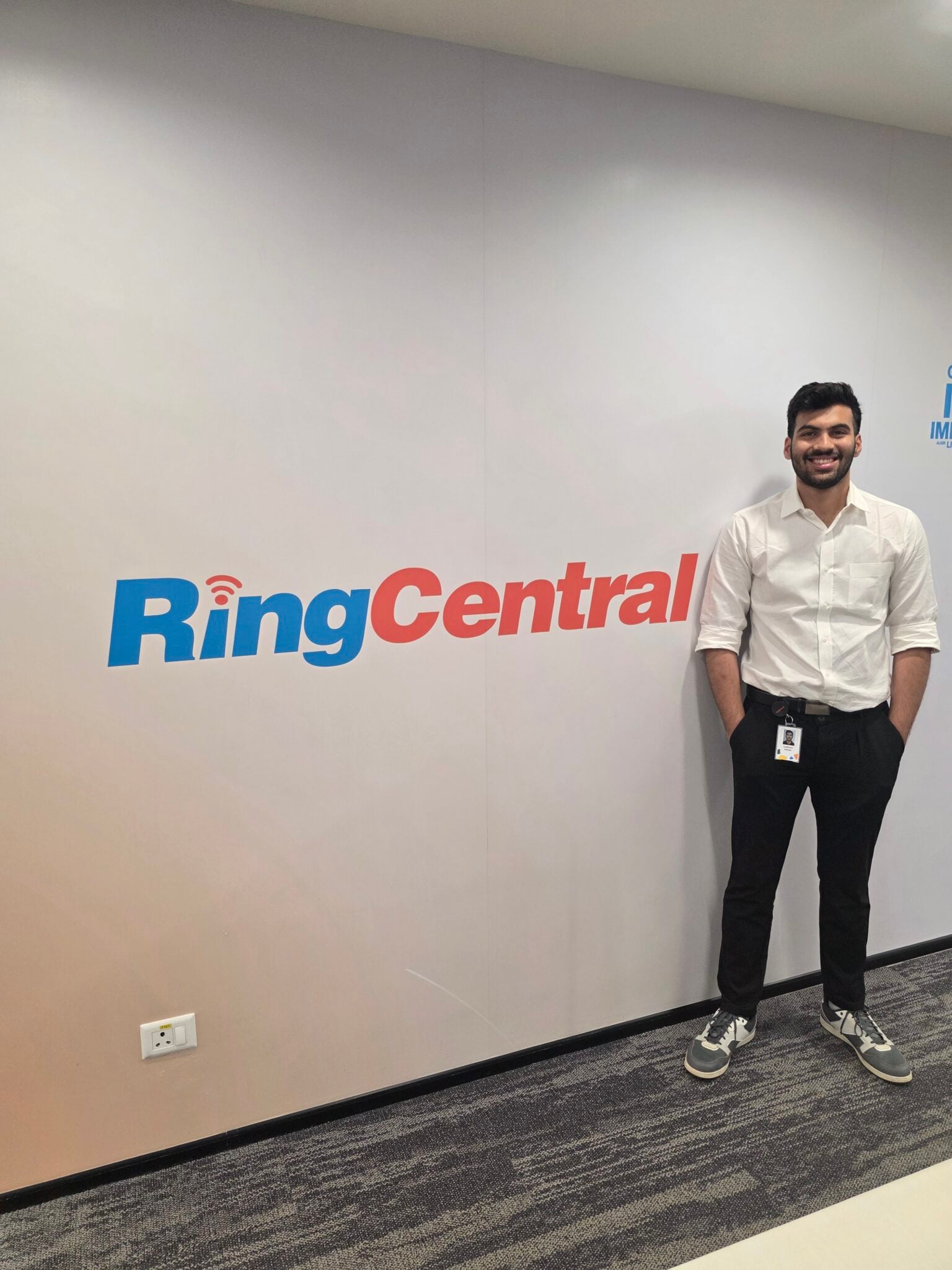
There is something uniquely exciting (and slightly terrifying) about your first day at any new role. Landing the Software Development Intern role at RingCentral through IIITB’s placement drive was a huge milestone for me – and naturally came with a healthy dose of impostor syndrome. In college, your code lives in a safety bubble. You build projects, test them on sample datasets, submit them for a grade, and move on. But real-world enterprise code? Now that’s different.
I kept asking myself: Am I actually ready to write code that hits live production environments?
I initially pictured intern tasks as isolated bug fixes, minor projects, and keeping busy without touching anything critical.
Reality check: not even close.
After an onboarding period to get familiar with our tech stack, I was welcomed straight into the middle of the action. The learning curve was steep. Navigating a massive enterprise codebase for the first time felt like reading a complex book. Between learning its intricate architecture and design for scale, resilience, and maintainability, I quickly realized real-world software engineering is way more than just making the logic work.
I worked on meaningful features, debugged real complex flows, and got a front-row seat to how RingCentral powers reliable communications at scale. There is no feeling quite like watching a feature you built survive rigorous testing, pass code review, and finally ship to production.
Code, Mentorship, Production Pushes and Everything in Between
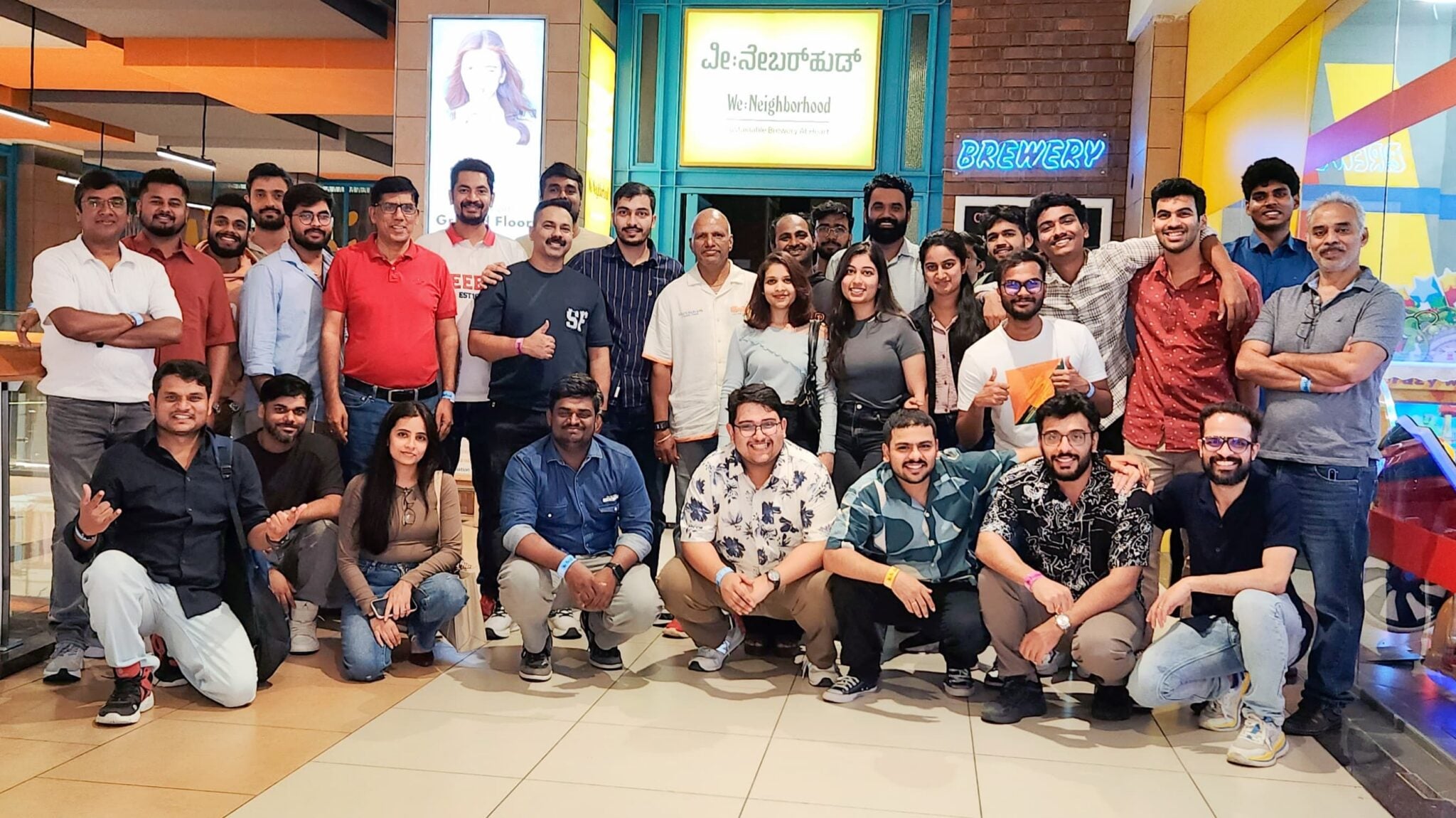
One of the best parts of my internship was the sheer quality of mentorship.I worried about asking “dumb” questions or constantly bothering senior engineers. My mentors taught me how to think like a system designer. They walked me through nuances in the codebas, why certain design decisions were made,, and encouraged me to voice my thoughts.IBeyond the code, I felt like I could bring my whole self to work! During the 5 year celebration for the India Office, I choreographed a fun routine and got to show off my dance skills at work. The appreciation and support I got for it was unparalleled, and it truly made it feel like we were at a workplace which cared about our overall well being alongside our professional growth.
The July 13th Shift: Stepping Up to SDE 1
Exactly six months later, on June 30th, I wrapped up my internship. a huge moment of reflection for me. I had spent six months sharpening my technical skills, adapting to production workflows, and building genuine confidence in my craft. And just a couple of weeks after that, on July 13th, I logged back into RC with a new title: Software Development Engineer I (SDE 1). Seeing the full-time offer was the ultimate validation of all that effort.
Crossing the bridge from intern to full-time engineer brought a whole new level of ownership. I moved from working on assigned sub-tasks to taking end-to-end ownership of new feature modules, and also dealing with production issues and figuring out fixes from scratch. I learnt to think beyond basic functionality and to work on improving system performance and long-term maintainability.
The Role of AI
AI actively contributed to my seamless integration into the company and has been my companion since day 1. Whether charting out complex features mapping implementation roadmaps, deciphering the most baffling pieces of code, writing test plans—often a developer’s worst nightmare—or conceptualizing end-to-end flows, AI helped me navigate the codebase with ease.
Our push towards becoming an AI-Native workplace – where we embrace AI and make it a part of our day to day lives and activities, has helped boost productivity, and has also helped simplify confusing concepts.
What I Took Away From It All
If I could go back to January 4th and give myself a quick pep talk before my first day, here is what I’d say:
- Engineering is a team sport. The best code isn’t written by lone geniuses sitting in a vacuum; it’s built through collaboration, design docs, open communication, and thorough code reviews.
- Curiosity beats perfection. You don’t need to know every framework or system design pattern on day one. Show up with strong fundamentals, a drive to dig into logs, and a willingness to learn on the fly.
- Advocate for your own growth. Nobody is going to chart your career path for you. Ask for feedback early, raise your hand for challenging tasks, and step up when opportunities present themselves.
My title might have changed, but my mindset hasn’t: stay curious, keep learning, and keep shipping good code. On to the next release!
Originally published Oct 29, 2026