The internet has changed the way businesses operate and has affected the technologies that are used for everyday business tasks, and that includes faxing.
But how did fax machines evolve into online fax service for businesses? How did it stay relevant despite the influx of other web-based file sharing technologies?
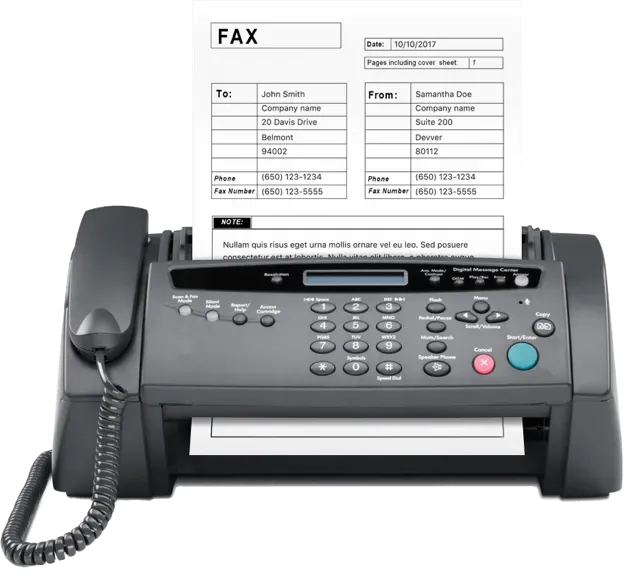
Fax machines used to rule the peer-to-peer document sharing niche in the business industry. When there was a document that needed to be shared over a long distance, faxing was the answer.
Of course, the birth of email has affected the usage of fax. People just found it more convenient to attach files to an email and send it directly to the recipient’s email account.
Under those circumstances, faxing, as a technology used by businesses, should have gone by the wayside and faded into history. After all, it is actually considered a historical relic—the Smithsonian Institution in Washington, DC, has included fax machines in its collection.
But faxing didn’t stop being an integral part of how organizations conduct business. Many industries, including healthcare and finance, still use it for sending important documents, preferring it over other peer-to-peer file sharing tools like email and even outright requiring their contacts to employ it because it’s believed to be a more secure method of sharing files.
In fact, a lot of government agencies (including the FBI) still believe in the technology. So the belief that fax is going away is highly exaggerated.
It doesn’t mean, however, that it’s the same now as the way it used to be. The technology naturally needed to evolve into something more convenient to use in the context of the modern workplace.
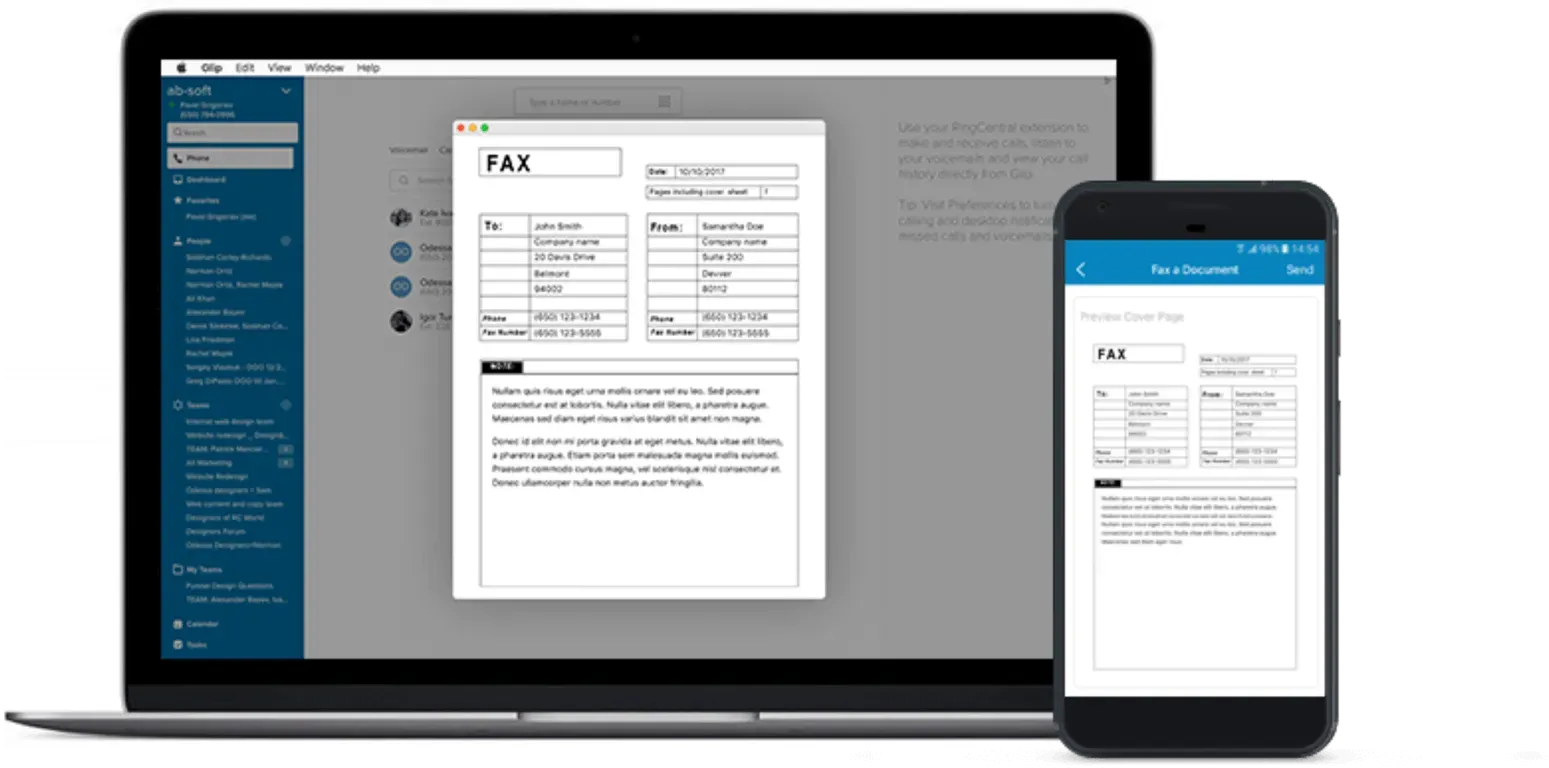
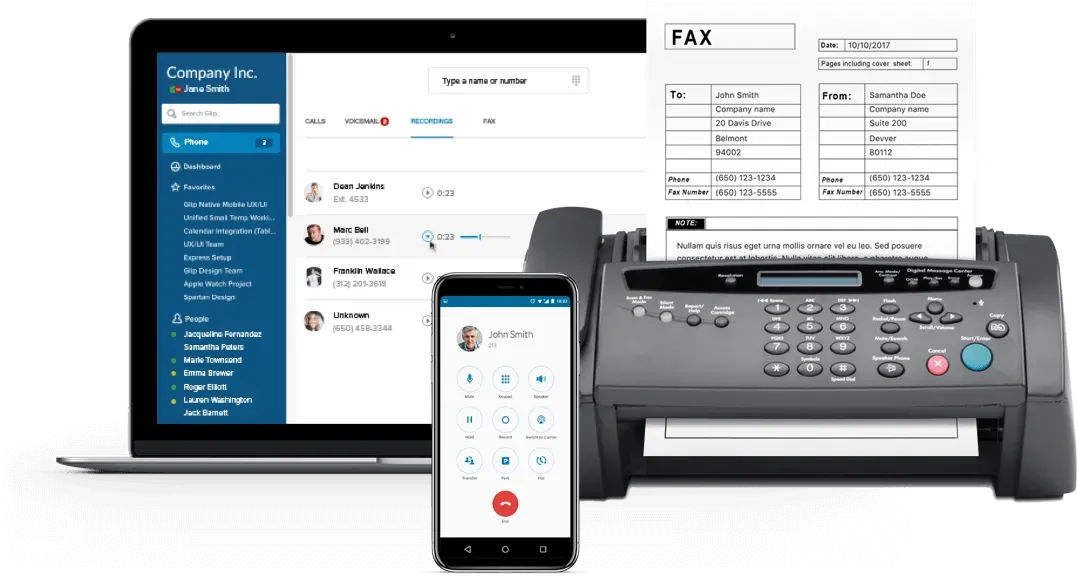
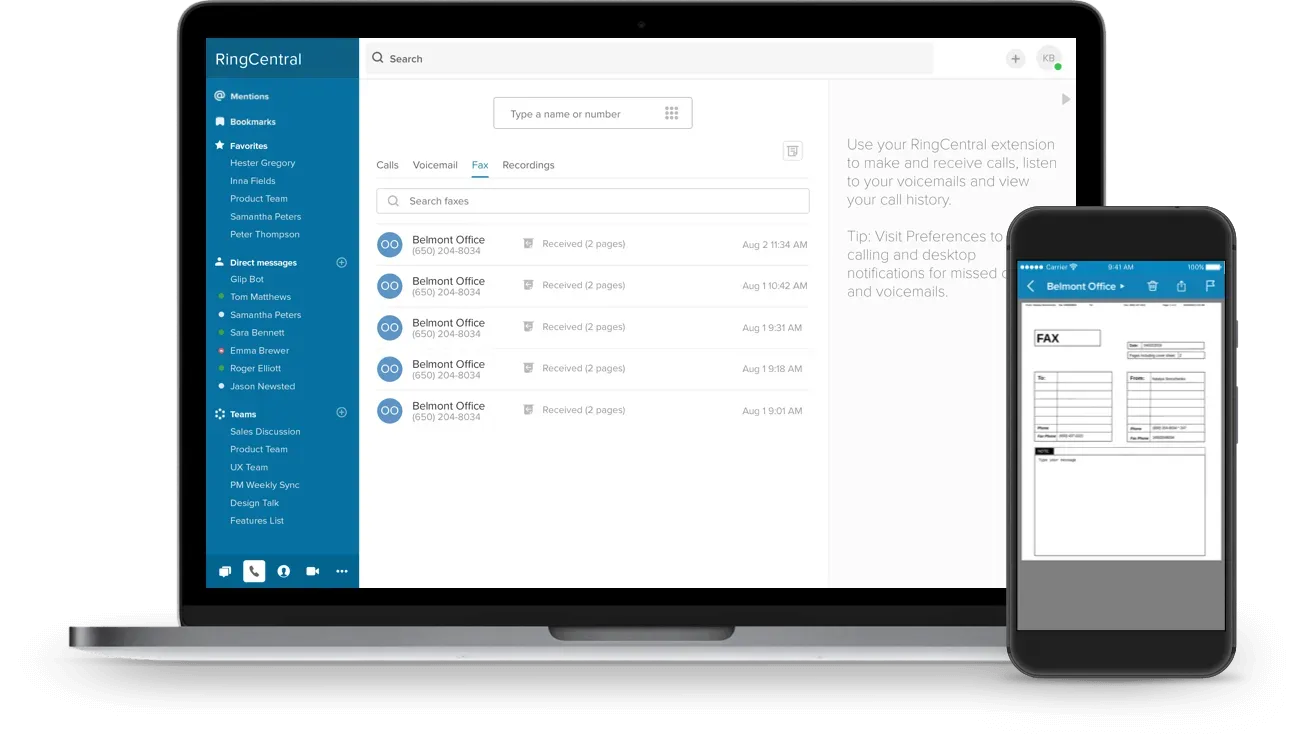
This led to the birth of online fax.