

Overview
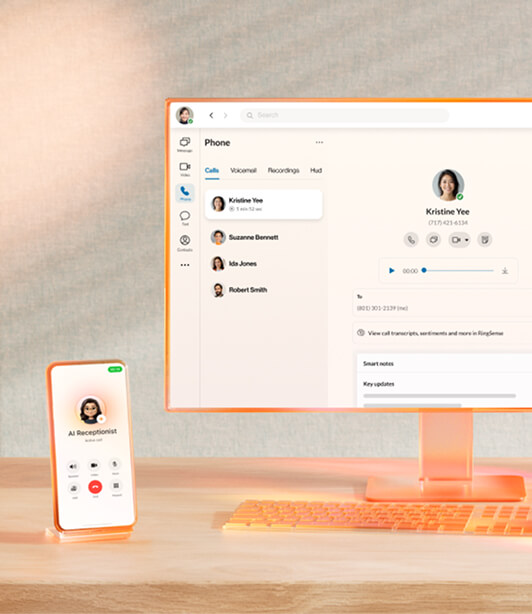
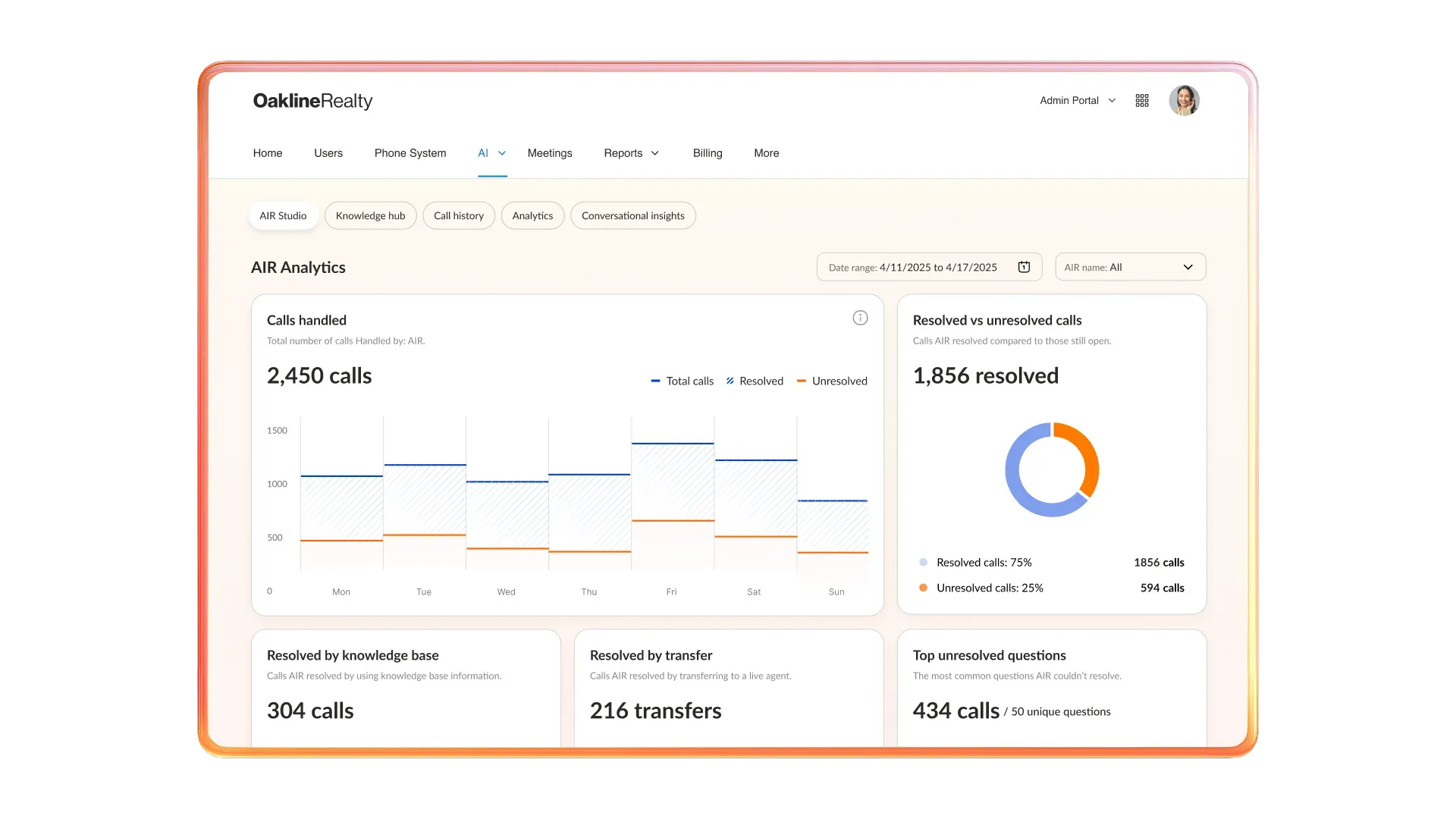
West Virginia 211 faced high operational costs and rigid system limitations while relying on an external call center to route critical resource inquiries. By adopting AI Receptionist, the organization moved beyond manual IVR programming to implement intelligent, zip-code-based routing that updates in mere hours. This transition successfully eliminated third-party expenses and provided the agility needed to redirect call flows instantly during state emergencies like flooding.
One of the biggest benefits of AI Receptionist is how quickly we can make changes to our system. If we need to assign a zip code to a different person, we can go into the context and do it very quickly. During emergencies like the recent flooding, this flexibility becomes even more crucial.
Brett White
Executive Director
About our customer
West Virginia 211, based across nine United Way locations, has served as a statewide information and referral lifeline for residents seeking essential support. This free and confidential service acts as a vital link to safety during personal crises and widespread state emergencies.
The challenge: High costs and rigid response times
West Virginia 211 operated through an outsourced call center that was becoming financially burdensome and lacked the flexibility required for rapid changes. During emergencies, the team needed to manually program hundreds of zip codes into complex menus, a daunting task that threatened their ability to provide immediate help. This lack of agility meant that every second spent navigating technical hurdles was a second lost for a person in urgent need.