Murfreesboro Medical Clinic scaled patient access using AI Receptionist and AI Virtual Assistant. This strategy achieved a 23% call containment rate and significant cost savings, while drastically accelerating post-call wrap-up times for staff.



The benefits we’ve seen from RingCentral span our entire organization — from making it easier than ever to set up telephony when we open a new clinic, to creating a better phone experience for callers, to adding workflow efficiencies for our employees, to helping our clinical teams deliver the best possible care to patients.
Everything in our research pointed to RingCentral. Their reputation for stability, ‘Leader’ position on the Gartner Magic Quadrant, and the fact that they are a fully home-built solution where the others had clearly bought and put together different pieces to build their platforms.
The flexibility RingCentral provides is incredible. In emergency situations, we can now reroute calls within minutes, saving our team 15 hours of work that would otherwise be spent coordinating manually.
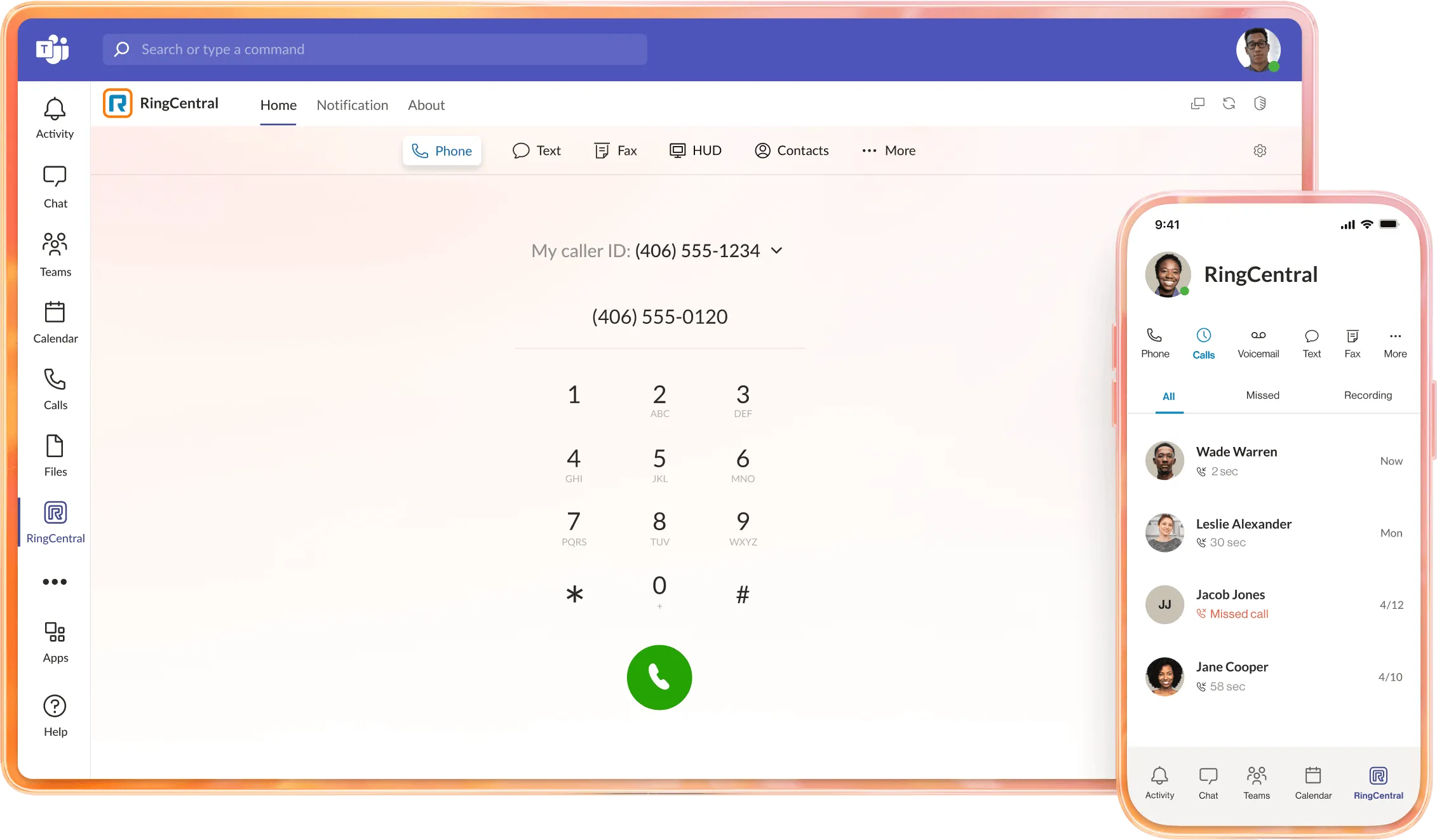
Being able to call or review an SMS message from within our MS Teams interface, using the RingCentral widget, makes daily work easier and more convenient. We also appreciate that our status is synced in real-time between RingCentral and Microsoft, so if someone is on a RingCentral call, we can see that on their Teams status.
Our old provider often misconnected our staff to the national emergency system instead of local 911, delaying critical help for patients with life-threatening conditions. Since deploying RingCentral over five years ago, we’ve had zero issues reaching the right emergency responders.
Our town halls now reach over 1,300 attendees, with the actual audience likely being much larger due to multiple people joining from conference rooms.