Want to try one of the best online meeting services for your next team meeting? Click on the button below to check out RingCentral's full product features.

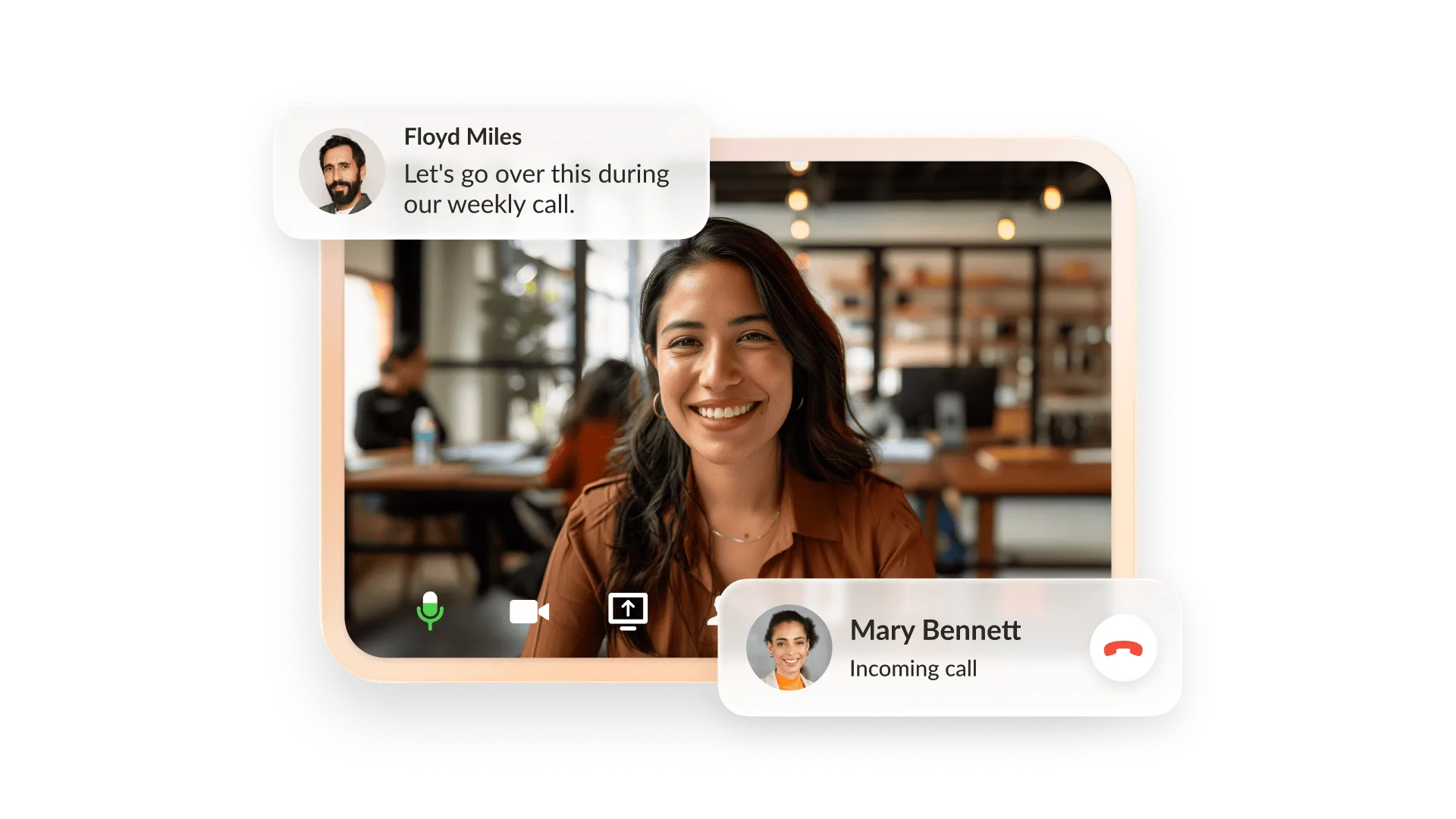
Instantaneous video communication has been a staple of sci-fi for decades. Today, it’s very much a reality for millions of professionals around the world.
Can’t go to HQ for your team meeting? No problem! Today, hosting or participating in an online meeting is practically as seamless as it is on Star Trek. Years of effort to lay high-speed broadband connectivity to homes and offices, coupled with massive advancements in web conferencing tools, have made it, well, pretty easy to get started.
How do online meetings work?
Online meetings work by connecting participants over the internet through a shared audio, video, or chat session in real time. The type of infrastructure behind that conference call, however, makes a difference in the quality and reliability of your meeting experience.
Hosted conference calling services run on dedicated servers, which streamline the connection process and solve many of the reliability issues that come with peer-to-peer setups.
Non-hosted conference calling is peer-to-peer based, meaning the person initiating the call becomes the host while everyone else acts as the server—this can lead to lag for all participants except the host and lower overall communication quality.
For teams trying to organize work and boost productivity, a hosted service is generally the more reliable choice.
Audio Conferencing
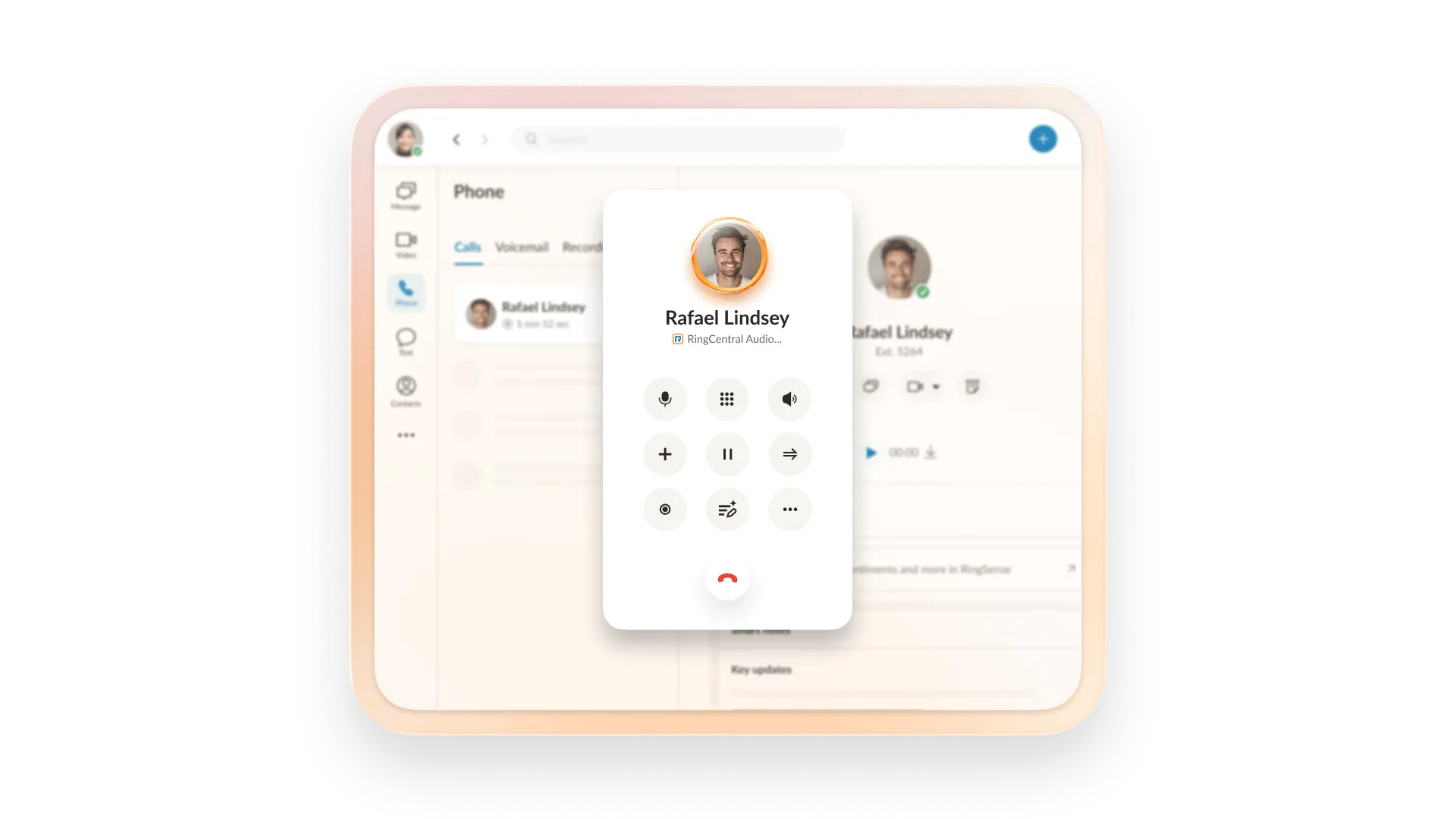
Audio conferences have been widely used in corporate environments for decades, and should be familiar to anyone who’s had to deal with external stakeholders or interact with offsite team members.
But don’t think of an audio conference as simply a group phone call. It’s a powerful method of communication that solves many workflow issues. You might have one group at one end of the call, and a different group at the other end, or you might have ten different people in 10 different places calling in to the conference line.
Now, audio conferencing with multiple participants tends to be mediated by specialized hardware and software. In a work-from-home setting, you’ll more likely interact with software-based audio conferencing tools, and there are a variety of free options available.
Video Conferencing
Businesses have sporadically used video conferencing and video meetings for nearly two decades―about as long as high-speed internet connections have been widely available. But informal video chats really exploded in popularity after the widespread adoption of smartphones with powerful front-facing cameras.
All of these advancements led to consumer video conferencing apps. These tend to be limited to two (or a small number of) participants, since they often suffer from latency and connectivity issues, and are generally limited to smartphone screens.
However, business-focused video meeting apps have higher bandwidth throughput, meaning they allow far more participants and often provide a range of other beneficial features such as video recording, screen sharing, and participant management tools.
Text-based web conferencing apps
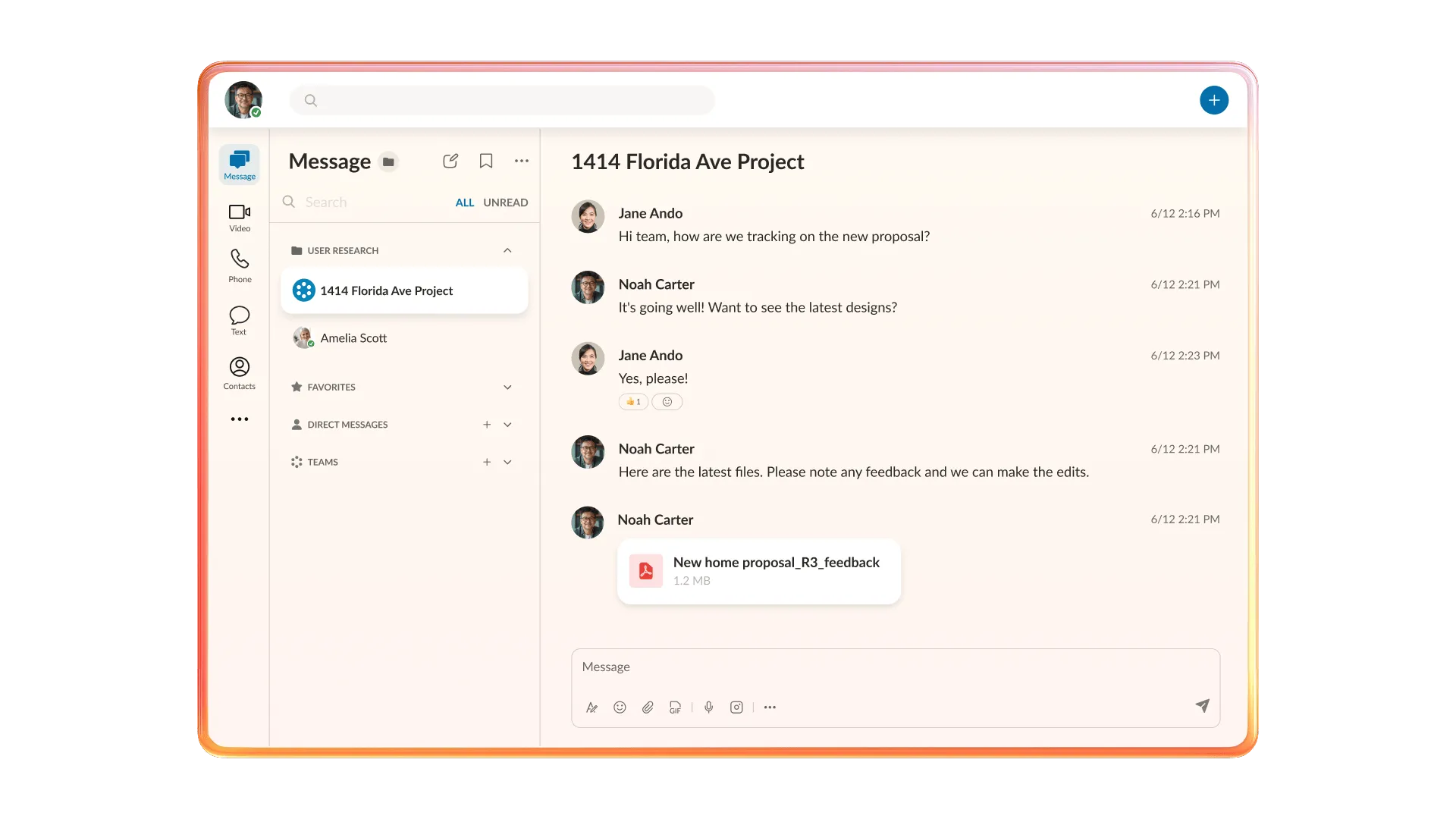
Both audio and video conferencing solutions will often include a window for instant messages―helpful for participants who might need a way to communicate if they lose audio-video connectivity, or if they don’t want to be visible or speak. It can also be an easier way to manage a question-and-answer period in meetings with few hosts and many participants.
There are also plenty of text-only chat and meeting apps available. Some integrate with audio and video conferencing apps, or may even include their own versions of these apps as part of their overall functionality.
Most people use text chat apps for sporadic updates, file sharing, and getting answers to urgent but uncomplicated questions. (Instant messages aren’t often used on their own to host virtual meetings, although it is possible.)
Some platforms also support Session Initiation Protocol (SIP) trunking, which enables you to send multimedia data—like text or images—in addition to voice, all over a unified interface. SIP trunking works in unison with a hosted Private Branch Exchange (PBX) and replaces traditional phone lines, which can be crucial if your team needs more than just audio calls.
How do I create a meeting online?
The great thing is that most web conferencing software makes it easy to get started. You can usually set up an online meeting in a few steps:
- Install the meeting software you picked.
- Create an account with your business credentials.
- Sign in to your dashboard to access your central communications hub.
- Select meeting parameters—initiate an instant meeting with or without live video, depending on what you need.
- Invite your participants via email, direct messaging link, or calendar invite.
- Schedule in advance to lock in future time slots and automatically distribute conference keys (access codes and meeting IDs) to attendees.
Pro-tip:
You may want to run a speed test on your internet connection to make sure you can make proper use of the web conference service.
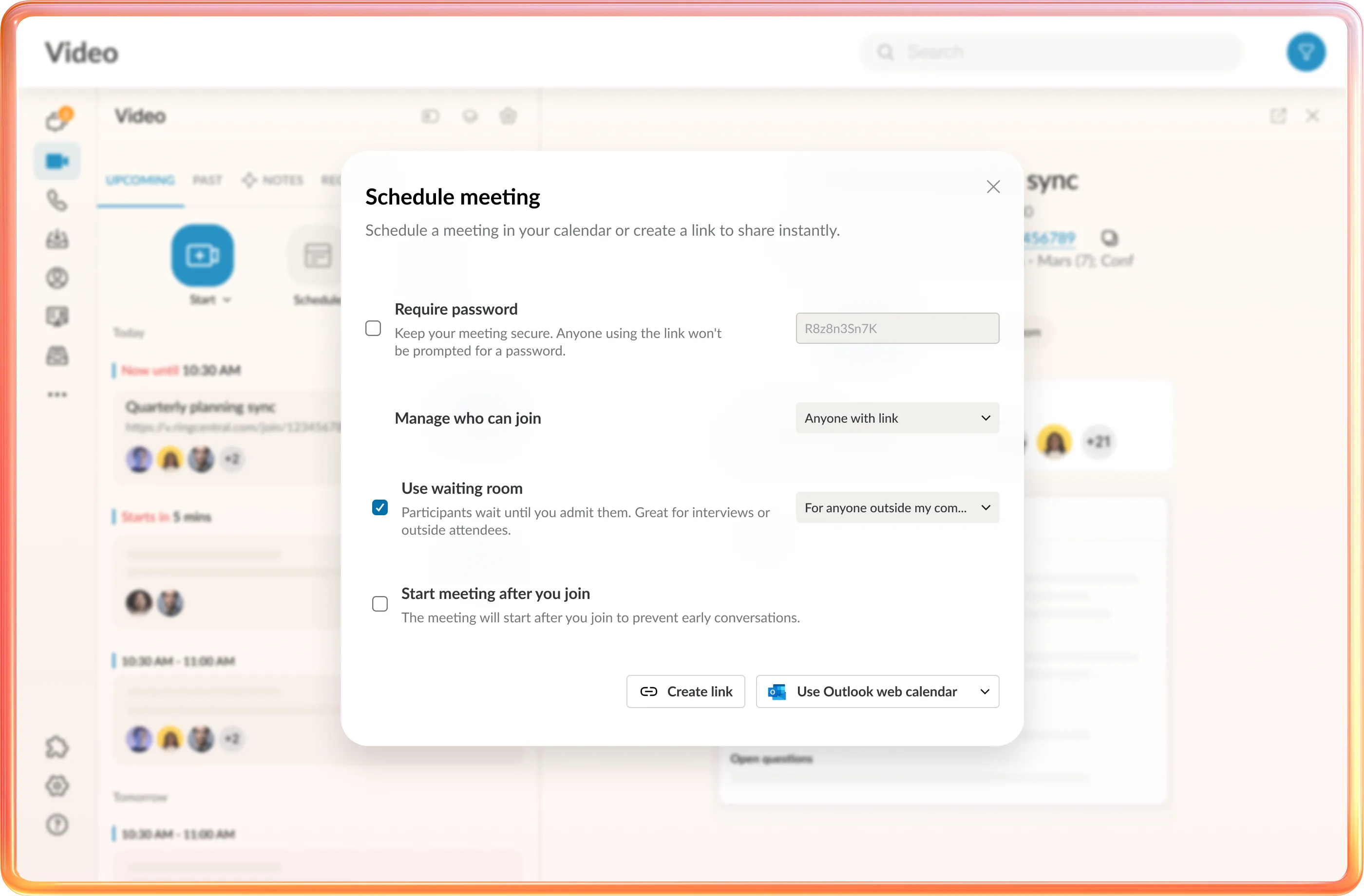
RingCentral Video, for example, lets you set IDs and passwords so that only people that you invite can access your meeting.
As a meeting host, you’ll manage the meeting through a dedicated conferencing app, but some conference calling services may allow you to create and manage meetings directly from phone prompts.
How do I join an online meeting?
Just participating in an audio or video conference online normally doesn’t require you to create an account with the conferencing service. If you get a link, dial-in number, or a meeting ID, you can just use that to join the meeting.
Sometimes, you’ll need to download the app, but there are online meeting tools, like RingCentral, that don’t have this requirement.
Pro-tip:
If you have a phone number (and access code), all you’ll need is your own phone. If you’re given a link to access the meeting, you’ll probably need to download something, if you haven’t already.

What is the best free online meeting software?
Many online meeting apps and services are free.
The best free online meeting tool―whether that’s a text chat, a teleconference, or a video collaboration tool―will depend on your needs, and those of your team. You may have very different needs and considerations when catching up with your team and when providing a weekly update to an important client.
When evaluating your options, here are some key things to consider when looking for the right conferencing solution:
- Price points and available plan tiers
- Strict participant caps per meeting
- Video capability and reliability
- Recording functionality
- Integrated text chat
- Unlimited calling
- International calling access
- File sharing
- Mobile application availability
- Voice and video quality
- Ongoing customer support accessibility
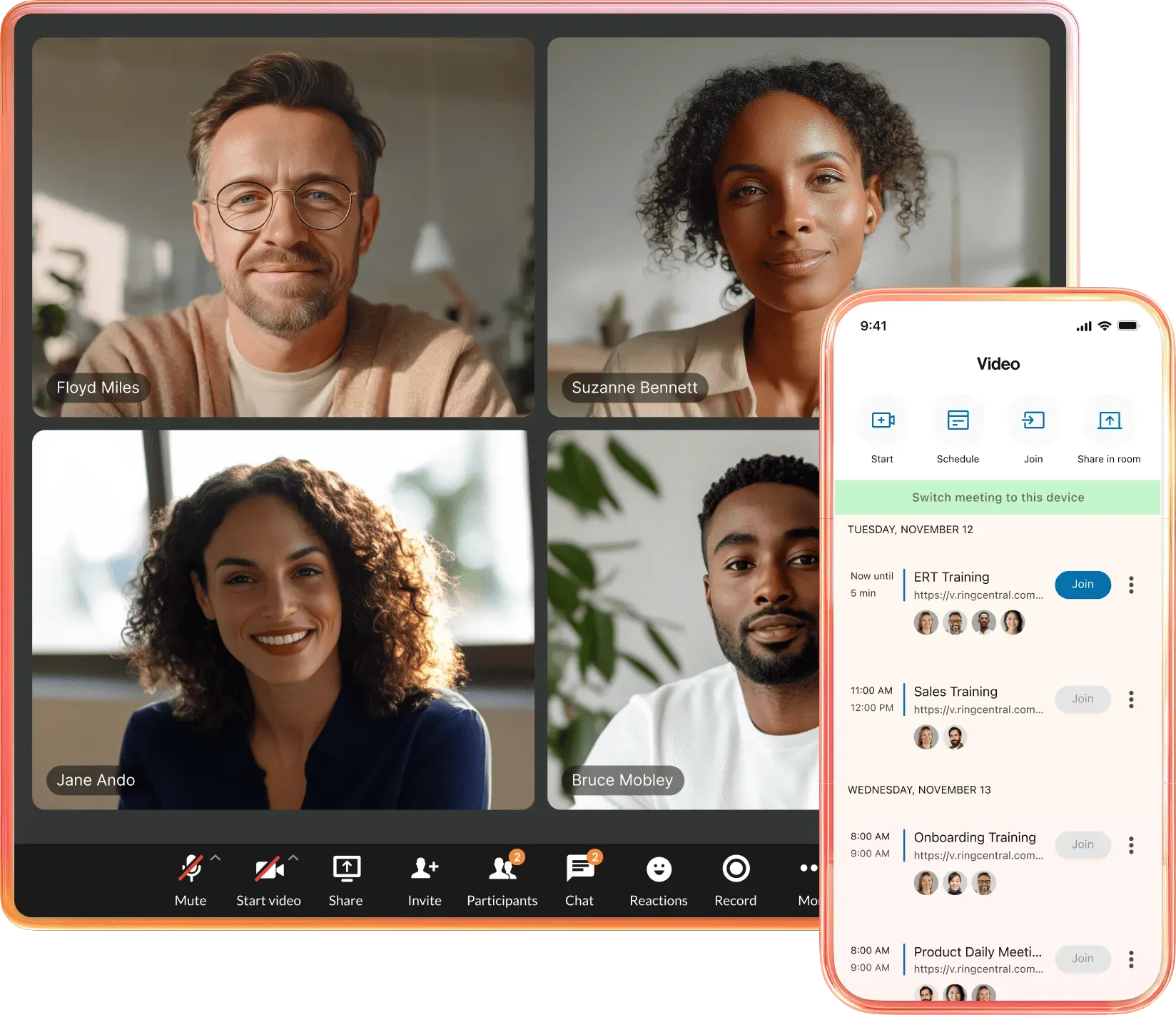
Advantages of free web conference tools
The clearest advantage to using free web conferences is that they’re free.
Many small businesses find that free web conferences provide everything they need to help employees keep up with each other and their managers. These free online meetings are typically easy to access, and many don’t even require you to log in or create an account to join a meeting.
However, businesses with higher headcounts may find free web conferencing tools lacking in the features they need to effectively deploy online meetings for many teams and departments at the same time.
Disadvantages of free web conference tools compared to paid services
Free web conferencing software typically restricts the number of participants in a room and often limits how long you can use the free room. Free video conferences often throttle video quality to conserve bandwidth, making HD resolution unavailable on most free plans.
Latency is another issue, regardless of video and audio call quality. Your ability to host a free meeting online is also typically more limited than it would be with a paid service. You may not be able to create private meeting rooms, mute participants, or share your screen with viewers. You may also have to manage the meeting through a web browser on your PC, as many free online meeting services do not have dedicated apps to create and manage meetings.
Free plans often carry the following additional restrictions:
- Hard time limits on conferences, with meetings ending abruptly at the scheduled cutoff, regardless of whether the agenda is complete
- No recording features, meaning participants who miss a session cannot review what was discussed
- Audio conferencing only on the most restrictive free tiers, with no video capability
- Limit on participants, capping how many people can join a single session
- No personalization options, such as branded meeting rooms or custom hold settings
- Lack of direct customer support, leaving users dependent on self-service documentation when issues arise
What do you get from paid online meeting software compared to free solutions?
Most “free” online meeting services are simply the lowest-cost tier of more comprehensive conferencing solutions. Some of these services include other call-management capabilities, and may be part of a larger communications technology package an organization uses.
Paid online meeting software often includes all the features found in free text, audio, and video meeting tools, with plenty of other features on top. Here are some popular features in paid plans for online meeting services:
Paid plans also tend to include more advanced video collaboration and administrative tools, such as:
- Online whiteboards: A useful tool for real-time visual conceptualization during presentations, onboarding sessions, or any meeting where concepts need to be illustrated rather than just described.
- Admin and moderator controls: Paid plans give meeting owners full access to user management settings, including the ability to manually add or remove participants, mute lines, and pass hosting privileges to another participant if the original host needs to step away—so your meetings can continue smoothly no matter what.
Pricing structures and cost-efficiency
Once you know which features your team requires, the next step is finding a plan that delivers them at the right cost.
Small business vs. enterprise pricing tiers
Understanding what you're likely to spend is an important part of choosing the right conferencing solution.
If your business is on the smaller side, you can expect to pay approximately $10 to $25 per month per organizer license, depending on the provider and plan tier. So if multiple people at your company need to host meetings, you'll want to account for the total number of hosts required—not just one.
For larger businesses, comprehensive enterprise packages typically scale around $20 to $60 per month. While the price may seem significant at first glance, the value returned in terms of advanced APIs, compliance archiving, and expanded functionality often justifies that investment—frequently returning double the cost in operational value.
Pro-tip: maximize ROI with annual planning
You can save a considerable amount of money when you opt for an annual plan over a monthly plan—up to 30% in some cases, depending on the provider and plan. It might be worth trying a service for one month first to make sure it works for you, then committing to a long-term plan. It might not seem worth it to pay the higher rate for that first month, but it's much better than being locked into an annual plan that doesn't meet your needs.
What is the best online meeting software for your business?
We’ve already mentioned that the “best” online meeting software will depend on your particular needs. Your team might feel just fine keeping up by instant messages, but they may also be highly verbal communicators who feel most at home on the phone.
You may need to lead an active session in which everyone participates, or present something to a largely passive audience by narrating PowerPoint slides from your screen. You might even need to run multiple sessions at the same time.
But cost isn’t the only consideration. Your business needs an online meeting solution that addresses its needs from all angles, including personnel, legal, and accessibility concerns.